What Are the Critical Design Rules to Follow When Engineering Custom Ceramic Components?
Feb 04, 2026
When you begin engineering custom ceramic components, you need to follow several critical design rules. Unlike metals or plastics, technical ceramics require a specific approach to geometry and processing due to their hardness and brittleness. You should focus on selecting the right material, planning for manufacturability, and ensuring precise machining. These steps increase performance, reliability, and cost-effectiveness. Shenxing provides advanced ceramic solutions, such as heater elements, tubes, and washers, to help you achieve success in your projects. Careful design sets the foundation for durable and high-quality ceramic components.
Critical Design Rules for Custom Ceramics
Key Principles Overview
You need to understand the critical design rules before you start any custom ceramic project. These rules help you create components that perform well and last longer. You must focus on precision at every stage of the process. The table below summarizes the most widely recognized critical design rules for custom ceramic components according to leading engineering standards:
Design Rule
Description
Design for Manufacturability (DFM)
Adjustments like adding radii to sharp corners reduce cracking risk and improve structural integrity.
Precision Tolerance Management
Achieving tight tolerances of ± 0.005mm is crucial for technical ceramics, balancing precision and cost.
Controlled Machining Environment
Advanced CNC machining prevents micro-cracking, essential for complex geometries in ceramics.
Rigorous Quality Inspection
Multi-point inspections ensure dimensional accuracy and surface finish meet application requirements.
You should always consider these rules when you design custom ceramic components. Each rule addresses a specific aspect of the process, from the initial design to the final inspection. You can achieve high levels of precision by following these guidelines. This approach ensures that your ceramic components meet the demands of modern applications.
Importance of Following Design Rules
You must follow critical design rules to ensure the success of your custom ceramic projects. When you pay attention to material selection, geometry, and surface finish, you improve the performance of your ceramic components.
Advanced manufacturing processes, such as additive manufacturing, allow you to create complex shapes that enhance the function of your designs. You can also use geometric functionalization to reduce the need for extra processing steps, which saves time and resources.
You increase the reliability of your ceramic components by focusing on precision.
You reduce the risk of defects and failures in demanding applications.
You make sure that your designs meet industry standards and customer expectations.
You should remember that precision is not just about measurements. Precision also means choosing the right material, controlling the machining environment, and inspecting every detail. When you follow these critical design rules, you set your custom ceramic components up for success in a wide range of engineering applications.
Material Selection for Custom Ceramic Components
Alumina and Other Ceramic Types
You face many options when selecting materials for custom ceramic components. Each type of ceramic offers unique properties that suit different engineering needs. For instance, if you are designing a generic Alumina Ceramic Part for an electrical application, you must consider its dielectric strength and thermal conductivity. Alumina is often the material of choice because it offers a balance of mechanical strength and electrical insulation that few other materials can match.
The table below highlights the most common types of ceramic materials, their typical properties, and applications:
Type of Ceramic
Typical Properties
Applications
Traditional Ceramics
Used for centuries, includes earthenware, stoneware, and porcelain.
Pottery, dishware
Oxide Ceramics
High melting points, excellent electrical insulation, good chemical resistance.
Refractories, electrical insulators, thermal barriers
Nitride Ceramics
High thermal conductivity, excellent mechanical strength, good wear resistance.
Cutting tools, bearings, heat sinks
Carbide Ceramics
Exceptional hardness, high melting points, excellent chemical resistance.
Cutting tools, abrasives, armor
Silicate Ceramics
Diverse properties based on composition, includes glass, porcelain, fireclay.
Cookware, insulation, construction materials
Shenxing’s alumina ceramics stand out among oxide ceramics. You benefit from their high hardness, wear resistance, and thermal stability. These qualities make any alumina ceramic part ideal for high-precision components in electronics, machinery, and custom applications where metal components would fail due to corrosion or wear.
Matching Properties to Application
You must match the properties of the ceramic to your application. Start by listing the performance and conditions your project requires. For example, if you need electrical insulation and durability, alumina ceramics from Shenxing provide excellent results. When you want to know how to choose the right ceramic, consult a trusted supplier and test samples under real conditions. Advanced manufacturing methods, such as sintering and injection molding, help you achieve the best fit for your custom ceramic components.
Cost and Availability Factors
You should balance cost, strength, and productivity during material selection. The cost of ceramics depends on raw materials and processing methods. A cost-benefit analysis helps you evaluate performance and price, ensuring you select the best value for your custom ceramic components. Shenxing’s alumina ceramics offer a reliable choice for projects that demand both quality and efficiency.
Compare the cost of different types of ceramic materials.
Analyze availability and lead times for your chosen ceramic.
Choose materials that meet your budget without sacrificing performance.
When you understand how to choose the right ceramic, you set your custom ceramic components up for success in any engineering project.
Design for Manufacturability
Geometry and Feature Simplicity
When you start designing the part, focus on simple shapes and clear lines. Simple geometry makes it easier to manufacture ceramic components with high accuracy. Complex shapes can increase production costs and lead times. You should consider how the geometry affects the ability to mold, machine, and finish the part.
For example, if you are designing a Ceramic Piston Tube for a fluid metering pump, the internal bore geometry is critical. While ceramics are excellent for this application due to their wear resistance, a design with internal undercuts or non-standard threading can make the necessary internal grinding process nearly impossible. Keeping the internal geometry of a ceramic piston tube straight and uniform ensures that the honing tools can achieve the necessary surface finish for a tight liquid seal.
Simple features reduce the risk of defects.
Rounded corners help prevent cracking during processing.
Consistent wall thickness improves strength and reliability.
You also need to think about the production volume and the complexity of the ceramic component. High complexity may require advanced molds or special machining steps. Always check if your supplier can suggest design changes that improve manufacturability without losing function.
Tolerances and Wall Thickness
You must set realistic tolerances for your ceramic parts. Tight tolerances can increase costs and slow down production. The material and the process, such as sintering or injection molding, affect the final size and shape. You should work with your supplier to choose tolerances that balance performance and manufacturability.
Process control, including careful monitoring of temperature and pressure, helps you achieve the right tolerances. Mold design also plays a key role in the final accuracy of the part.
Weight and Shape Considerations
You should consider the weight and overall shape during engineering. Lightweight designs use less material and cost less to produce. However, you must ensure the part remains strong enough for its application.
Analyze the economic viability by comparing cost-per-part and break-even points.
Make sure the design meets quality and regulatory standards.
The shape of the ceramic part affects how easily it can be manufactured and how well it performs in use. By focusing on these factors, you create components that are both efficient and reliable.
Ceramic Machining Best Practices
Tool Selection and Process Control
You must pay close attention to tool selection and process control during ceramic machining. Choosing the right cutting tool is essential because ceramics are hard and abrasive. You can use diamond grinding, diamond-coated mills, or CBN mills to reduce tool wear and maintain precision. The machining environment also plays a key role. Keep your workspace clean and stable to avoid vibration and contamination. Continuous iteration in production helps you refine your ceramic machining process and achieve better results with each batch.
Here is a table that summarizes effective techniques for minimizing tool wear:
Technique
Description
Diamond grinding
Reduces tool wear for abrasive ceramics.
Optimized grinding parameters
Grit size, bond type, and wheel speed are crucial for tool life.
Diamond-coated and CBN mills
High spindle speeds and low feed rates reduce stress.
Ultrasonic drilling
High-frequency vibrations minimize heat and stress.
Electrical discharge machining
Uses electrical sparks for complex shapes without mechanical stress.
Ceramic CNC Machining Parameters
You need to understand key parameters in ceramic CNC machining to achieve high precision and quality. Cutting speed, feed rate, and spindle speed all affect the outcome. Lower cutting speeds prevent cracking, while controlled feed rates ensure smooth material removal. High spindle speeds reduce friction and improve precision. Coolant and lubrication reduce heat buildup, which helps prevent stress in the ceramic. Proper workholding and vibration control keep your part stable during ceramic CNC machining.
The table below shows how these parameters impact your results:
CNC Machining Parameter
Effect on Quality and Precision
Cutting Speed
Lower speeds prevent cracking.
Feed Rate
Controlled feed ensures smooth removal.
Spindle Speed
High speeds improve precision.
Coolant and Lubrication
Reduces heat buildup and stress.
Material Removal Rate
Must be balanced to avoid tool wear.
Workholding & Vibration Control
Ensures stability and precision.
Minimizing Cracking and Defects
You can minimize cracking and defects in ceramic CNC machining by following several tips for successful ceramic CNC machining. Use lower feed rates and cutting speeds to avoid shocking the material. Support your workpiece with soft jaws or vacuum fixtures. Choose the right cutting tool and toolpath strategy to distribute stress evenly. Multi-axis ceramic CNC machining allows you to create complex shapes with fewer stress points. Avoid sharp internal corners and use coolants to reduce heat. Keep cutting passes shallow and let the material cool between passes. Support thin parts with extra backing and use fine diamond grinding for a smooth finish. Try ultrasonic machining or laser cutting for delicate features.
Quality Control in Custom Ceramics
Inspection and Testing Methods
You must use precise inspection and testing methods to guarantee the quality of custom ceramic components. These methods help you confirm that each part meets strict engineering standards. You can rely on advanced optical systems to check for surface flaws and measure dimensions. Mechanical properties testing gives you data on tensile strength and yield strength. For ceramics, you should also focus on density, porosity, and flexural strength. These tests ensure that your components perform reliably in demanding environments.
For high-precision sealing applications, verifying flatness is critical. If you are manufacturing a Ceramic Sealing Ring, for example, a standard visual inspection is often insufficient. You may need to use monochromatic light bands or laser interferometry to ensure the face of the ceramic sealing ring is perfectly flat. Even microscopic deviations in flatness can cause leaks in high-pressure pumps or mechanical seal assemblies.
Here is a summary of the most common inspection and testing methods:
Method
Description
Mechanical Properties Testing
Evaluates tensile strength, yield strength, and elongation per ASTM standards.
Dimensional & Surface Inspection
Confirms dimensional accuracy and screens for surface defects using optical systems.
Testing Focus by Material Type
Specific evaluations for ceramics include density, porosity, and flexural strength.
You should always document your results and compare them to your design requirements. This process helps you maintain high precision and consistent quality throughout production.
Common Challenges and Solutions
Brittleness and Fracture Risks
You often encounter brittleness as one of the most common challenges in ceramic engineering. Ceramics have extreme hardness and low ductility, which means they can crack or shatter under force. Rapid temperature changes also create risks for fractures. You can address these issues by using diamond-coated cutting tools and gentle machining techniques. Lower feed rates and multi-pass machining help maintain stability and reduce cutting forces. Segmental cutting and pulsed cooling techniques control thermal stress, making your process more reliable.
Achieving Surface Finish
You need to achieve a smooth surface finish for high-performance ceramic components. Fine grinding and super-finishing techniques allow you to reach precise dimensions and surface quality. Minimum quantity lubrication reduces tool wear during finishing. Specialized grinding methods, such as reciprocating and creep-feed grinding, use specific grit sizes and wheel speeds to optimize results. Lapping and honing refine surfaces further, using controlled pressure and slurry concentration. Cooling and lubrication management prevent fractures and ensure consistent precision.
Technique
Description
Key Parameters
Ceramic Grinding
Uses various grinding types for dimension and finish.
Grit size, bond type, wheel speed
Lapping
Employs abrasive slurry for smoothness.
Slurry concentration, pressure, lap speed
Honing
Refines internal surfaces for accuracy.
Coolant use, stroke length, pressure
Avoiding Design Pitfalls
You must avoid common challenges in ceramic component design by focusing on four key areas:
Check thermal shock resistance to ensure your part can handle rapid temperature swings.
Confirm mechanical strength and fracture toughness for your stress load.
Verify chemical compatibility with process gases.
Set dimensional tolerances that precision machining can achieve.
You improve reliability and performance by addressing these factors early in your design process. Careful planning and attention to detail help you overcome the most common challenges in ceramic engineering.
Application-Specific Considerations
Industrial and High-Tech Uses
You encounter a wide range of industry applications for custom ceramic components. Each sector demands unique properties and performance. The table below shows how different industries use ceramics and what they require from these materials:
Industry
Applications
Key Properties
Aerospace
Engine parts, thermal shields, spacecraft insulation
Strength under harsh conditions
Automotive
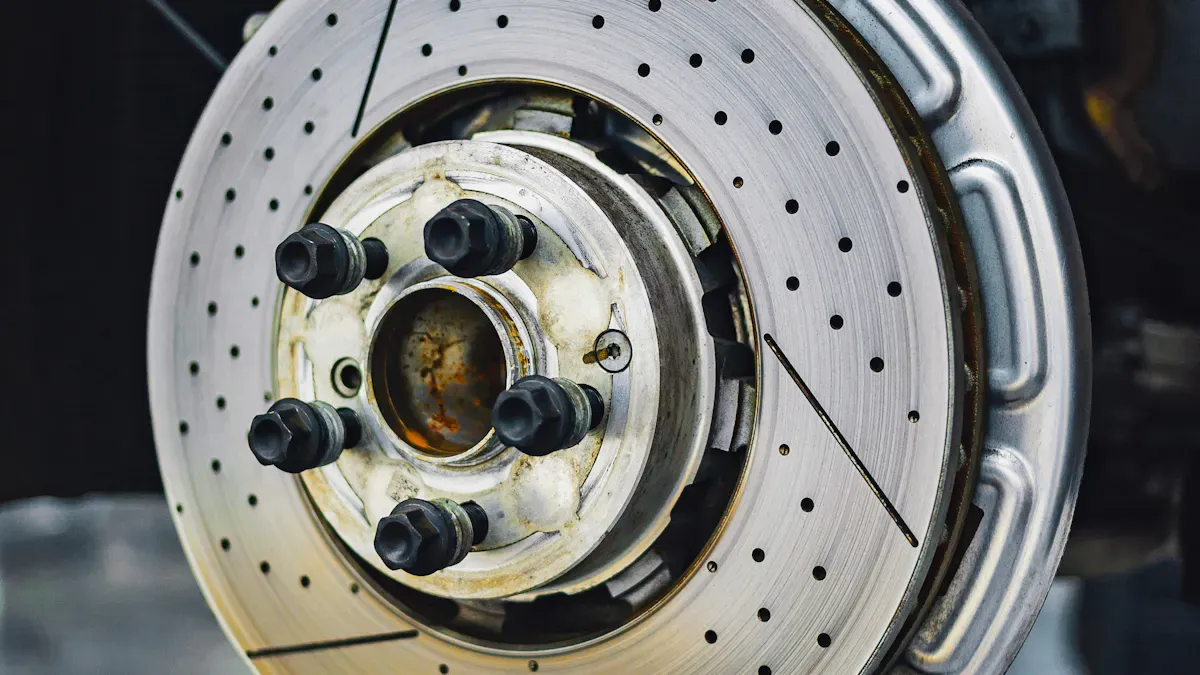
Brakes, oxygen sensors, bearings
Heat and stress resistance
Electronics
Semiconductors, resistors, insulators
Insulation and heat handling
Medicine
Hip replacements, dental crowns
Biocompatibility and durability
Energy
Solar panels, fuel cells
Wear and heat resistance
Heavy Industry
Mining and drilling equipment
Hardness and rust resistance
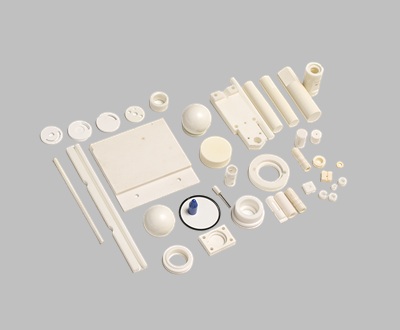
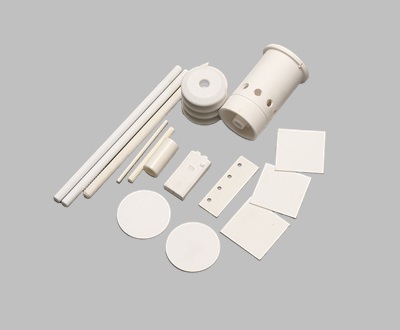
You see that aerospace, automotive, electronics, and medical device innovation all rely on ceramics for critical applications. Shenxing’s heater protection elements, ceramic tubes, and sealing washers serve as examples of how you can meet the needs of electronics, automotive, and aerospace applications. You also find custom grinder cores in food processing and medical applications.
Furthermore, specialized components like the ceramic sealing ring are indispensable in heavy industry. In environments dealing with abrasive slurries or corrosive chemicals, a standard metal seal would degrade rapidly. A custom-engineered ceramic sealing ring offers superior resistance to chemical attack and friction, significantly extending the maintenance intervals for industrial pumps and valves. These applications demonstrate why selecting the correct ceramic composition—whether alumina, zirconia, or silicon carbide—is so vital.
Environmental and Regulatory Needs
You must consider environmental and regulatory requirements when designing for specific applications. Many industries, such as food and medical, require compliance with strict safety and hygiene standards set by organizations like the FDA and USDA. You need to use sustainable manufacturing practices to meet regulations on emissions and waste. Manufacturers often test and certify materials to ensure non-toxicity and safety. You also manage emissions from ceramic production using advanced systems, such as electric regenerative thermal oxidizers, to meet global standards for cleaner air.
Customization for Unique Applications
You achieve successful customization by working closely with manufacturers. You can enhance tolerances, edge finishing, and strength stability for specialized applications in aerospace, electronics, and medical fields. Manufacturers often conduct feasibility analyses and create iterative prototypes to ensure compatibility and reduce redesign risks. You benefit from strong quality control, including ISO certification and advanced inspection systems, which deliver predictable quality and lower defect rates. Material science expertise allows you to create complex geometries and high-quality finishes for electronics and medical device innovation. Reliable supply chains and responsive engineering support help you adapt to new applications quickly.
Shenxing’s product range, including heater elements, tubes, washers, and grinder cores, demonstrates how you can achieve customization for a variety of industry applications. You can request custom sizes, shapes, and material grades to match the exact needs of aerospace, automotive, electronics, and medical applications.
FAQ
What makes alumina ceramics a good choice for custom components?
You get high hardness, wear resistance, and thermal stability with alumina ceramics. These properties make them ideal for demanding applications in electronics, machinery, and high-tech industries.
How do you ensure precision in ceramic component manufacturing?
You achieve precision by using advanced CNC machining, strict process control, and multi-point inspections. These steps help you meet tight tolerances and maintain consistent quality.
Can you customize ceramic parts for unique applications?
You can request custom sizes, shapes, and material grades. Manufacturers like Shenxing work with you to match your requirements for aerospace, automotive, or electronics projects.
What are common challenges in ceramic engineering?
You often face brittleness, risk of fracture, and surface finish issues. You can overcome these by selecting the right tools, using gentle machining, and following best practices during engineering.
How do you test the quality of ceramic components?
You use mechanical testing, optical inspection, and certification processes. These methods confirm that your parts meet industry standards for strength, durability, and safety.







 2025-10-14
 Network Supported