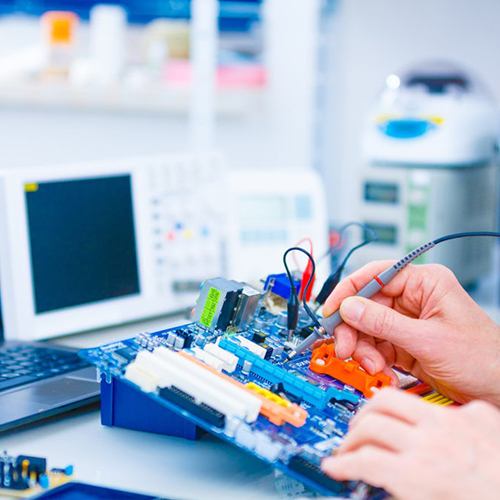
Why are ceramic terminal blocks trending for safe electrical setups?
Jul 13, 2026
You see more electrical setups relying on a ceramic terminal block for secure connection and lasting performance. Ceramic material stands out for its heat resistance and durability, making it ideal for demanding environments. Terminal blocks ensure a stable electrical connection and reduce risks in wiring. Fire safety standards matter in electrical work, and ceramic terminal blocks meet V-0 flame retardancy. They extinguish flames quickly, prevent burning drips, and do not ignite cotton. Choose terminal blocks that protect every electrical connection, and always prioritize safety in your projects.
Fire Safety Standard
Description
V-0 Flame Retardancy
Highest fire safety standard, minimal burning, no fire spread
Afterflame time ≤ 10s
Rapid flame extinguishing
Afterglow time ≤ 30s
No prolonged burning
No burning drips
Prevents additional fire hazards
Does not ignite cotton
Reduces risk of fire spread to surrounding materials
Key Takeaways
Ceramic terminal blocks offer superior heat resistance, operating at temperatures up to 800°C, making them ideal for high-temperature environments.
These blocks provide excellent electrical insulation, preventing short circuits and ensuring safety in high-voltage applications.
Choosing the right terminal block is crucial; consider temperature ratings and electrical specifications to match your project's needs.
Proper installation of terminal blocks enhances safety; always disconnect power and follow a systematic approach to avoid common mistakes.
Ceramic terminal blocks reduce maintenance costs due to their durability and resistance to corrosion, ensuring long-term reliability.
What is a ceramic terminal block?
Basic function and design
You rely on a ceramic terminal block for secure and reliable wiring in demanding electrical environments. This terminal block serves as a connection point where you join multiple wires, ensuring that each electrical circuit remains organized and safe. The ceramic material stands out for its ability to withstand high temperatures, making it ideal for ovens, heaters, and industrial equipment. When you select a terminal block for your wiring project, you prioritize durability and stability. The ceramic terminal block uses porcelain or steatite-type ceramic as its insulation body, which resists heat and mechanical stress.
Tip: Choosing the right terminal block helps you prevent overheating and maintain stable electrical connections.
Here’s a quick comparison of design features:
Feature
Ceramic Terminal Block
Plastic Terminal Block
Main advantage
High-temperature resistance
Lower cost, flexible form factor
Insulation body
Ceramic, porcelain, or steatite-type ceramic material
PA66, PC, PBT, or other engineering plastics
Heat performance
Better for hot equipment and radiant heat areas
Suitable for moderate temperatures
Mechanical behavior
Hard and heat-stable
Better impact resistance
Typical mounting
Screw mount, panel mount, terminal strip
DIN rail, PCB, plug-in, feed-through
Common applications
Ovens, heaters, furnaces, kilns, lighting, thermocouples
Control cabinets, machines, PLC wiring
Main risk
Cracking, wrong screw torque, wrong wire size
Heat deformation, insulation aging
Key safety features
Safety remains the top priority in any electrical wiring project. Ceramic terminal blocks offer several features that protect you and your equipment. You benefit from high-temperature stability, which allows the terminal block to operate up to 450°C (842°F). Excellent electrical insulation prevents leakage and ensures that your wiring stays safe. Resistance to corrosion and thermal shock means you can use these terminal blocks in harsh environments without worrying about failure.
Feature
Description
High-temperature stability
Up to 450°C (842°F)
Excellent electrical insulation
Prevents electrical leakage and ensures safety
Resistance to corrosion
Enhances durability in harsh environments
Resistance to thermal shock
Maintains integrity under rapid temperature changes
Customizable configurations
Tailored to meet specific application needs
You often see these safety features in high voltage ceramic connector applications, where reliable performance is essential. When you choose a terminal block with these properties, you reduce the risk of electrical hazards and improve the longevity of your wiring setup.
For projects requiring specific current ratings, you can find options like the 10A ceramic terminal block, which delivers both safety and performance.
Why ceramic terminal blocks improve safety
Heat resistance and fire protection
You depend on terminal blocks that deliver reliable performance in extreme conditions. Ceramic terminal block technology stands out because it withstands temperatures exceeding 500°C. High temperature ceramic terminal blocks maintain their insulating properties and structural integrity even when exposed to intense heat. You see these terminal blocks used in ovens, heaters, and other environments where plastic would fail. Ceramic materials like steatite and porcelain provide superior heat resistance, making them ideal for applications that demand fire protection.
Ceramic terminal blocks operate at temperatures up to 500°C or higher.
High temperature ceramic terminal blocks resist fire and prevent flame spread.
Ceramic substrates maintain insulation and stability under extreme heat.
You achieve safety ratings that meet strict industry standards.
When you choose terminal blocks with these properties, you protect your electrical setup from overheating and fire hazards. The fire protection offered by high temperature ceramic terminal blocks ensures your wiring remains secure, even in the harshest environments.
Durability and long-term use
You want terminal blocks that last and require minimal maintenance. Ceramic terminal blocks deliver superior durability compared to plastic or metal alternatives. Their resistance to corrosion, heat, and environmental factors means you spend less time on repairs and replacements. High temperature ceramic terminal blocks perform reliably in harsh environments, including power modules and RF components.
Property
Ceramic Substrates
Plastic/Metal PCBs
Thermal Stability
High
Low
Electrical Insulation
Excellent
Moderate
Dielectric Strength
High
Low
Long-term Durability
Superior
Inferior
You benefit from terminal blocks that maintain their performance over time. Ceramic terminal blocks reduce maintenance costs because they resist corrosion and environmental damage. Their superior insulation and fire protection features enhance safety and reliability in high-temperature applications.
Terminal blocks used in high-reliability electronics and harsh-environment devices.
Ceramic terminal blocks require little maintenance, lowering overall costs.
You experience fewer failures, which means less downtime and improved safety.
Electrical insulation benefits
You rely on terminal blocks to provide excellent electrical insulation, especially in high-voltage applications. Ceramic terminal blocks use materials like porcelain and steatite, which offer high dielectric strength. These terminal blocks maintain insulation properties even under high temperatures, ensuring reliable performance in demanding conditions.
Ceramic terminal blocks prevent short-circuiting in high-voltage applications.
Porcelain blocks deliver high temperature resistance and mechanical strength.
Terminal blocks provide reliable electrical insulation to prevent electrical failures.
You often encounter situations where you need a terminal block that can handle high voltage safely. For these cases, you can use a high voltage ceramic connector, which ensures electrical protection and stability. High temperature ceramic terminal blocks excel in maintaining insulation and preventing electrical hazards, giving you confidence in your setup.
Note: Choosing terminal blocks with superior electrical insulation and fire protection is essential for safety in any electrical installation.
Using terminal blocks safely
Choosing the right electrical terminal block
You must select the correct terminal block for your wiring project to ensure reliable connection and long-term performance. The right choice depends on several factors, including temperature ratings, electrical specifications, and quality indicators. You want a terminal block that matches the demands of your electrical setup. Exceptional heat resistance, superior electrical insulation, excellent mechanical strength, and corrosion resistance are essential qualities.
Criteria
Description
Temperature Ratings
Ensure appropriate safety margins for high-temperature applications.
Electrical Specifications
Must meet or exceed application requirements for optimal performance.
Quality Indicators
Include material properties, manufacturing processes, and supplier capabilities for reliability.
You should always check the datasheet and verify the terminal block’s compatibility with your wiring environment. For projects requiring robust performance, you can explore options like the ceramic terminal block, which offers outstanding durability and heat resistance. You guarantee safe electrical connections when you match the terminal block to your application.
Step-by-step installation
Proper installation of terminal blocks is crucial for safe and efficient wiring. You must follow a systematic approach to achieve secure connection and minimize risks. Here is a step-by-step guide for installing a ceramic terminal block:
Disconnect the power source. Always work on de-energized circuits and verify with a meter before touching any conductor.
Confirm the terminal block voltage and current ratings against the actual circuit you’re connecting. Check the datasheet for accuracy.
Select the correct wire size based on the terminal’s rated wire range and the circuit’s current load.
Strip the conductor to the specified length. Too short causes poor contact; too long exposes copper outside the terminal.
Add a ferrule when required, especially with stranded wire, to prevent fraying and ensure even clamping pressure.
Insert the conductor fully into the terminal opening. Make sure no insulation is trapped under the clamp.
Tighten or close the clamping mechanism, following the manufacturer’s torque specification for screw terminals.
Perform a pull test. Gently tug the wire to confirm it’s mechanically secure before moving on.
Check polarity and terminal identification against your wiring diagram before energizing anything.
Restore power and test the circuit under normal operating conditions.
Tip: Neat and organized terminal block connections make maintenance and troubleshooting easier. You reduce errors and improve safety when you keep wiring orderly.
You often encounter situations where you need a terminal block that can handle high voltage safely. For these cases, you can use a high voltage ceramic connector, which ensures electrical protection and stability. You achieve reliable connection and minimize risks by following these installation steps.
Common mistakes to avoid
You must avoid common mistakes during terminal block installation to maintain safe and effective wiring. Incorrect installation can lead to poor connection, overheating, or electrical failure. Here are frequent errors and how you can prevent them:
Using the wrong terminal block for your application. Always check temperature and electrical ratings.
Selecting the incorrect wire size. Match the wire to the terminal block’s specifications.
Failing to strip the conductor to the proper length. This causes unreliable connection and exposed copper.
Over-tightening or under-tightening the clamping mechanism. Follow torque specifications for secure connection.
Leaving insulation under the clamp. This prevents proper electrical contact.
Neglecting to perform a pull test. Always check mechanical security before energizing the circuit.
Ignoring polarity and terminal identification. Double-check your wiring diagram for correct connections.
Note: Organized wiring and careful installation prevent future troubleshooting headaches. You ensure safe electrical connections and extend the life of your terminal blocks.
You can find terminal blocks designed for specific current ratings, such as the 10A ceramic terminal block, which delivers both safety and performance. You maintain reliable connection and protect your electrical setup when you avoid these mistakes.
Ceramic vs. plastic terminal blocks
Safety comparison
When you compare ceramic and plastic terminal blocks, you notice clear differences in how each material handles heat and electrical stress. Ceramic terminal blocks operate at temperatures up to 800°C or even 1000°C. They do not melt or deform, even under extreme heat. Plastic terminal blocks, on the other hand, begin to soften around 120°C and can only handle up to 125°C. This difference can affect the safety of your electrical connection, especially in high-temperature environments.
Feature
Ceramic Terminal Blocks
Plastic Terminal Blocks
Maximum Operating Temperature
Up to 800°C - 1000°C
Up to 125°C
Melting Point
Does not melt
Begins to soften around 120°C
Fire Resistance
Excellent, does not burn
Poor, may melt or weaken
Dimensional Stability
Maintains shape under heat
May deform under continuous heat
You gain peace of mind with ceramic terminal blocks because they provide excellent electrical insulation and fire resistance. Plastic terminal blocks may pose risks if exposed to high temperatures, as they can melt or lose their shape. For critical electrical setups, ceramic terminal blocks offer a safer and more reliable connection.
Pros and cons
You should consider several factors when choosing between ceramic and plastic terminal blocks for your electrical project. Each type has its own strengths and limitations.
Pros of ceramic terminal blocks:
Withstand extreme heat, making them ideal for ovens, heaters, and industrial equipment.
Provide superior electrical insulation and fire resistance.
Maintain a stable connection even in harsh environments.
Cons of ceramic terminal blocks:
Typically heavier than plastic options.
Initial cost may be higher, but you gain greater long-term value.
Pros of plastic terminal blocks:
Lightweight and easy to handle.
Resist corrosion, making them suitable for damp environments.
Lower initial cost, which can benefit budget-conscious projects.
Cons of plastic terminal blocks:
Not suitable for high-temperature applications.
May deform or melt, risking the integrity of your electrical connection.
Material Type
Advantages
Disadvantages
Plastic
Lightweight, corrosion-resistant, ideal for low-stress environments
Less durable under high temperatures or heavy loads
Ceramic
Excellent insulation, heat resistance
Heavier, higher initial cost
When you need a terminal block for high-current or high-temperature applications, you can rely on options like the 10A ceramic terminal block. This choice ensures your electrical connection remains safe and stable, even under demanding conditions.
Tip: Always match your terminal block to the specific requirements of your electrical setup to maximize safety and performance.
Where terminal blocks matter most
High-temperature and industrial uses
You encounter terminal blocks in environments where heat and reliability matter most. When you work with electric furnaces, industrial heaters, ovens, or high-temperature lighting fixtures, you need a terminal block that can withstand extreme conditions. Ceramic terminal blocks, such as those found here, deliver superior thermal stability and electrical insulation. You rely on these terminal blocks in power supply equipment, inverters, electrical control systems, and industries like chemical and oil & gas. You choose ceramic terminal blocks because they operate at temperatures exceeding 250°C, and specialized designs can handle over 1000°C with minimal thermal expansion.
Electric furnaces
Industrial heaters
Ovens
High-temperature lighting fixtures
You trust ceramic terminal blocks to maintain a secure connection and prevent wiring failures. Their chemical resistance ensures that your electrical setup remains safe, even in harsh industrial environments.
Tip: You improve safety and reduce maintenance when you select terminal blocks engineered for high-temperature applications.
Critical safety applications
You depend on terminal blocks for critical safety in high-voltage environments. The ceramic terminal block provides dielectric strength that protects your wiring and electrical equipment. You use terminal blocks rated for currents between 15A and 30A, which makes them suitable for demanding industrial and commercial applications. You select terminal blocks that withstand temperatures up to 900°C, ensuring insulation integrity and reliable connection.
Application
Why Ceramic Terminal Blocks Matter
Power supply equipment
Maintain stable connection under high load
Inverters
Prevent electrical failures
Electrical control systems
Ensure safe wiring and operation
Chemical industry
Resist corrosion and thermal shock
Oil & gas industry
Protect critical electrical connections
You often need a high voltage ceramic connector for specialized setups. You can find options here that deliver both safety and performance. You secure your wiring and maintain reliable connection by following up-to-date safety guidelines.
Note: You should always match the terminal block to your application. For projects requiring specific current ratings, you can use a 10A ceramic terminal block to ensure safe and stable electrical connection.
You protect your wiring and electrical equipment when you choose terminal blocks designed for high-temperature and critical safety applications.
You see why ceramic terminal block solutions lead the trend for safe electrical setups. These terminal block options offer unmatched heat resistance, durability, and electrical insulation. To maximize safety, always follow best practices:
Verify that each terminal block meets required standards.
Disconnect power before installation and use proper protective gear.
Strip wires to the correct length and insert fully.
Tighten connections as specified and label all wiring.
Inspect terminal block connections regularly for signs of wear.
Choose the right ceramic terminal block for your project and consult professionals for complex installations.
FAQ
What makes a ceramic terminal block ideal for high-temperature environments?
You choose a ceramic terminal block because it resists heat and maintains electrical insulation. Ceramic material withstands temperatures that would damage plastic, making it reliable for ovens, heaters, and industrial setups.
How do you ensure safety when installing terminal blocks?
You verify ratings and follow installation steps. Always disconnect power and check wire compatibility. Organized wiring and secure connections help you maintain safety and prevent electrical hazards.
Can you use a ceramic terminal block for high voltage applications?
You select a high voltage ceramic connector for high voltage setups. Ceramic material provides strong insulation and stability, making it suitable for demanding electrical environments.
What current ratings are available for ceramic terminal blocks?
You find ceramic terminal blocks in various ratings. For example, the 10A ceramic terminal block supports up to 10 amps, offering reliable performance for small and medium electrical circuits.
Are ceramic terminal blocks suitable for industrial use?
You rely on ceramic terminal blocks in industrial settings. Their durability and resistance to corrosion make them ideal for factories, power plants, and environments with extreme temperatures.






 2025-10-14
 Network Supported