Why Manufacturers are Replacing Steel with Ceramic Shaft Rods
Mar 05, 2026
For decades, steel and metal alloys have been the default materials for industrial shafts, pins, and rods. They are familiar, widely available, and relatively easy to machine. However, as modern manufacturing pushes the limits of speed, temperature, and chemical exposure, traditional metal components are hitting their performance ceilings.
Frequent maintenance, unexpected downtime, and rising replacement costs are driving engineers to seek better alternatives. The solution that is rapidly becoming the new industry standard? Advanced technical ceramics.
Here is why forward-thinking manufacturers are making the switch from steel to ceramic shaft rods.
1. Defeating Friction with Extreme Hardness
The biggest enemy of any rotating or moving mechanical part is friction. Steel shafts, even when hardened or surface-coated, eventually wear down under high-speed operation or heavy loads. This wear alters critical dimensions, reduces system efficiency, and forces production lines to halt for repairs.
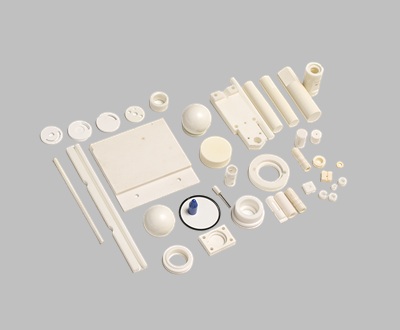
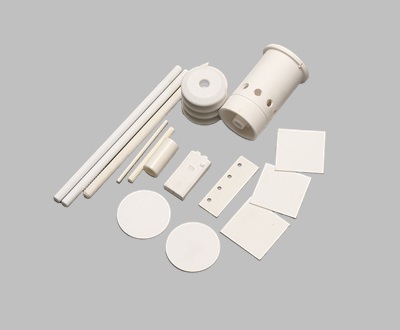
By switching to materials like 99% alumina ceramic, manufacturers gain access to a component with exceptional hardness—surpassed only by diamond. This extreme wear resistance means ceramic rods maintain their precise dimensional tolerances exponentially longer than their metal counterparts. For industries relying on machinery, automotive pumps, and fluid control systems, this translates directly to fewer replacements and vastly improved operational uptime.
2. Total Immunity to Corrosive Environments
Beyond physical friction, harsh operating environments pose a severe threat to metal parts. In chemical processing, medical equipment, and petroleum extraction, steel is highly susceptible to rust, oxidation, and chemical corrosion. Even the most advanced protective coatings eventually chip or degrade, leading to system contamination and catastrophic equipment failure.
In stark contrast, high-quality zirconia ceramic parts are chemically inert. They can operate continuously in highly acidic, alkaline, or saline conditions without experiencing any material degradation. This natural resistance makes ceramics a permanent, zero-contamination solution rather than a temporary patch, ensuring fluid purity and long-term reliability.
3. Mastering Heat and Electrical Challenges
Heat and electricity complicate the use of metal shafts in precision applications. Steel expands significantly when exposed to high temperatures, which can cause moving parts to seize in tight-tolerance assemblies. Furthermore, metals are inherently conductive and magnetic.
Technical ceramics solve both issues simultaneously. They possess an exceptionally low coefficient of thermal expansion, meaning they will not warp, swell, or lose shape when subjected to extreme temperature fluctuations. Additionally, their natural electrical insulation and non-magnetic properties make them indispensable in the new energy sector, electronics, and sensitive communications equipment where magnetic interference must be strictly avoided.
Upgrade Your Operations with Yixing Shenxing Technology
Transitioning from metal to ceramics is a strategic upgrade, but it requires a partner who understands the strict tolerances and demands of industrial applications.
With 15 years of dedicated experience, Yixing Shenxing Technology Co., Ltd. has established itself as a globally trusted precision ceramic manufacturer. Our facility is equipped with state-of-the-art dry powder compacting lines, automatic hot press forming machines, and high-precision sintering kilns. This allows us to produce flawless custom ceramic components tailored to your exact specifications.
Backed by ISO-9001 and IATF16949 certifications, our technical ceramics are currently driving efficiency for clients in over 100 countries across the automotive, chemical, and new energy sectors.






 2025-10-14
 Network Supported