What Are the Differences Between Steatite Ceramic and Ordinary Ceramics?
Dec 03, 2025
Ceramics are widely used across electrical appliances, heating devices, industrial machinery and consumer electronics. But under the surface, not all ceramics behave the same. Among many technical ceramic families, steatite ceramic stands out for its electrical insulation, thermal shock resistance, and low dielectric loss—properties that ordinary ceramics cannot easily match.
Many engineers choosing between steatite ceramic and traditional alumina-based or clay-based ceramics often ask the same question: Which one is actually better for my application?
Below is a technical breakdown using mechanical, thermal, and electrical data to show where steatite ceramic excels—and where conventional ceramics still hold value.
1. What Exactly Is Steatite Ceramic?
Steatite ceramic is a magnesium-silicate–based technical ceramic (MgSiO₃) manufactured through high-temperature sintering.Key characteristics:
Low dielectric loss
Excellent electrical insulation
Moderate mechanical strength
High thermal shock stability
Good machinability before sintering
Because of these traits, it is commonly used in:
heating resistance steatite ceramic cap
steatite ceramic terminal block
insulator steatite ceramic tube
Heating elements
Lighting components
Household appliance insulation
Electronic connectors
Ordinary ceramics such as clay ceramic or porcelain are designed more for structural or decorative use rather than engineering applications.
2. Steatite vs. Ordinary Ceramics: Key Property Comparison
Below is a technical comparison using standard material testing data:
Table 1: Basic Material Properties
Property
Steatite Ceramic (MgSiO₃)
Ordinary Ceramic (Porcelain/Clay)
Density (g/cm³)
2.6–2.8
1.8–2.1
Flexural Strength (MPa)
150–180
60–100
Thermal Conductivity (W/m·K)
2.0–3.0
1.0–1.5
Max Operating Temperature (°C)
1100
600–800
Dielectric Strength (kV/mm)
15–20
6–10
Dielectric Loss (tan δ ×10⁻³)
0.5–1.0
3–6
Key insight:Steatite ceramic provides almost double the electrical insulation performance and significantly higher mechanical strength than ordinary ceramics.
3. Thermal Performance Differences
Steatite Ceramic Thermal Behavior
Steatite has low thermal expansion (≈ 7.5 ×10⁻⁶ /K), which makes it ideal for thermal cycling or environments where heating elements run continuously.
A typical Heating Resistance Steatite Ceramic Cap can withstand:
Instant temperature jumps of 200–400°C
Continuous operating temperatures above 900°C
Long-term contact with nichrome or kanthal wire
Ordinary Ceramic Thermal Behavior
Ordinary ceramic tends to crack under fast thermal shock because its thermal expansion rate is much higher (≈ 12–14 ×10⁻⁶ /K).
Thermal Shock Test Comparison:
Shock Temperature
25°C → 450°C (rapid)
Steatite Ceramic
No crack after 20 cycles
Ordinary Ceramic
Cracked after 3–5 cycles
This is a key reason why electrical manufacturers do not use ordinary ceramics for heater caps, ignition systems, or terminal blocks.
4. Electrical Insulation Performance
One of the biggest differences lies in dielectric properties.For example, a Steatite Ceramic Terminal Block can maintain stable insulation even under:
High humidity
High voltage
High heat
Continuous electrical load
Electrical Breakdown Strength Comparison
Steatite Ceramic
15–20 kV/mm
Ordinary Ceramic
6–10 kV/mm
Steatite’s superior insulation is crucial in:
Power devices
High-frequency modules
Household appliances
Microwave-safe components
Heat-generating systems
Ordinary ceramics are not stable enough for these environments.
5. Mechanical Strength & Durability
Although steatite Ceramic Part is not as strong as Alumina Ceramic Part, it is far stronger than clay-based ceramics.
Table 2: Mechanical Comparison
Test
Steatite
Ordinary Ceramic
Flexural Strength (MPa)
150–180
60–100
Compressive Strength (MPa)
1800–2200
800–1200
Hardness (Mohs)
6
4–5
Steatite also resists surface wear from assembly, screw fastening, and wire installation—important for components like:
Insulator Steatite Ceramic Tube
Ceramic spacers
Heating element supports
Ordinary ceramics typically crumble or chip under the same conditions.
6. Chemical & Moisture Resistance
Steatite ceramic has a dense microstructure after sintering. This provides:
Minimal water absorption (< 0.1%)
Strong resistance to alkaline environments
Stability against oils and common industrial solvents
Ordinary ceramics can absorb up to 2–5% moisture, which impacts both insulation and dimensional stability.
7. Typical Applications: When Should You Use Each One?
Steatite Ceramic—Best for:
Heater assemblies
Electric cookers
Electric iron components
High-voltage insulation
Terminal blocks & connector bases
Precision industrial tubes & sleeves
Gas appliance igniters
Its ability to integrate heat, insulation, and stability makes it ideal for:
heating resistance steatite ceramic cap
steatite ceramic terminal block
insulator steatite ceramic tube
Ordinary Ceramics—Best for:
Tableware
Tiles
Decorative objects
Low-temperature insulators
General structural components
They remain valuable where aesthetics and low cost matter more than high-performance functionality.
9. Why Many Manufacturers Prefer Steatite Ceramic Today
Industries such as home appliances, heating equipment, automotive ignition, and industrial machinery have increasingly replaced ordinary ceramics with steatite because it offers:
Higher operating temperature
Stronger insulation
Lower dielectric loss
Longer operational life
Better resistance to thermal cycling
More predictable performance
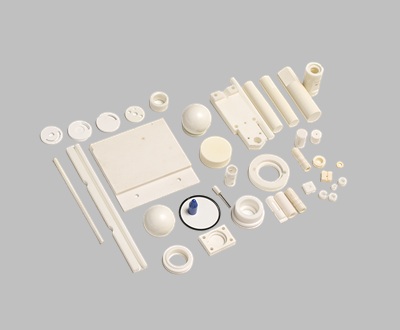
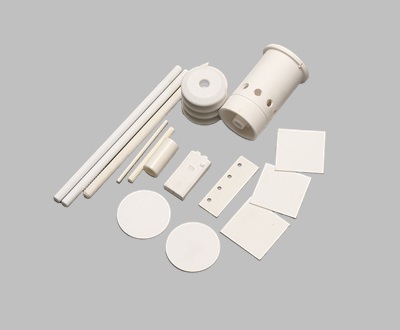
It also supports complex shapes during green machining, helping reduce tooling costs for custom Ceramic Spare Parts such as:
Special ceramic caps
Multi-hole tubes
Terminal blocks
Mounting bases






 2025-10-14
 Network Supported