
You face an important decision when choosing between alumina and zirconia for your ceramic parts. Alumina works well in high-temperature and harsh environments. You get excellent thermal stability and chemical resistance. If your project demands high strength and toughness, you should consider a zirconia ceramic part. This material stands out in applications that require durability under stress.
Alumina is best for high-temperature applications up to 1,700°C, while zirconia excels in environments above 1,700°C.
Choose alumina for cost-effective solutions and good chemical resistance; select zirconia for superior strength and toughness.
Consider the specific needs of your project, such as temperature, chemical exposure, and mechanical stress, when selecting ceramic materials.
Zirconia is ideal for precision applications like medical devices and cutting tools due to its high durability and biocompatibility.
Always check the quality and grade of ceramic parts to ensure long-lasting performance and avoid failures.
You need to understand the main differences between alumina and zirconia before choosing the right ceramic part. The table below gives you a clear side-by-side comparison of their key properties:
|
Property |
Alumina |
Zirconia |
|---|---|---|
|
Strength |
Good mechanical strength |
Exceptional mechanical properties |
|
Temperature Resistance |
High-temperature resistance |
Suitable for high-temperature use |
|
Cost |
Generally lower cost |
Higher cost due to advanced properties |
|
Chemical Compatibility |
Limited with strong acids/bases |
Excellent chemical stability |
Alumina stands out for its ability to handle high temperatures and resist chemical corrosion. You can rely on it for most industrial environments. Zirconia offers outstanding toughness and stability, especially in corrosive or high-stress settings. You will notice that zirconia ceramic part options often cost more, but they deliver superior performance where strength and durability matter most.
Tip: Always match the ceramic material to your project’s stress, temperature, and chemical exposure needs. This approach helps you avoid common failures like heat shock or chemical attacks.
You will find alumina and zirconia ceramics in many industries. Here are some common uses:
Alumina works well in high-stress industrial applications. You can use it for machinery components, electronic substrates, and environments with repeated heating and cooling.
Zirconia is ideal for medical devices, precision cutting tools, and applications that require high toughness and biocompatibility.
For routine high-temperature applications below 1,600°C, alumina is usually the preferred choice. It offers versatility and a high melting point. When you need to operate above 1,700°C or in reactive environments, zirconia becomes the better option. Its low thermal conductivity and resistance to erosion from molten metals make it stand out.
You should also consider the failure risks. Most failures happen due to rapid temperature changes, wrong material selection, or poor installation. Always check the grade and quality of your ceramic parts to ensure long service life.
You can rely on alumina when your project faces extreme heat. This ceramic material handles high temperatures well, making it a top choice for furnaces, kilns, and thermal insulation. The table below shows how alumina compares to zirconia in terms of maximum service temperature:
|
Ceramic Type |
Maximum Service Temperature (°C) |
Maximum Service Temperature (°F) |
|---|---|---|
|
Alumina |
~1,700 |
~3,092 |
|
Zirconia |
~2,200 |
~3,992 |
Alumina ceramic parts perform reliably up to about 1,700°C. You should choose alumina for applications that do not exceed this temperature. However, you need to watch for rapid temperature changes. Alumina can develop cracks from thermal shock, especially during fast heating or cooling cycles. Research shows that ultra-pure alumina becomes more brittle under these conditions, which can lead to failure.
Note: For environments with frequent temperature cycling, consider the risk of micro-cracking in alumina. Consistent, gradual temperature changes help maintain part integrity.
You get strong chemical resistance with alumina in many industrial settings. This material resists most acids and alkalis, so you can use it in harsh chemical environments. However, zirconia offers even better corrosion resistance, especially in aggressive laboratory conditions. If your project involves highly reactive chemicals, you may want to compare both materials carefully.
Alumina resists most acids and alkalis.
Zirconia withstands harsher chemicals and aggressive environments.
You benefit from the cost-effectiveness of alumina. It usually costs less than zirconia, making it a smart choice for large-scale or budget-sensitive projects. You can find alumina ceramic parts at competitive prices for many industrial uses. Explore our alumina ceramic parts category to see available options.
Tip: Choose alumina when you need a balance of high temperature performance, chemical resistance, and affordability.
You gain exceptional strength when you select a zirconia ceramic part for your project. Zirconia stands out in demanding environments where mechanical performance matters most. You see higher flexural strength and fracture toughness compared to alumina. The table below shows how zirconia-toughened alumina (ZTA) compares to standard alumina:
|
Material |
Flexural Strength (MPa) |
Fracture Toughness (MPa·m¹/²) |
|---|---|---|
|
Alumina |
250-370 |
3–4 |
|
ZTA |
≥ 400 |
6–10 |
ZTA combines the hardness of alumina with the fracture toughness of zirconia. You benefit from transformation toughening, which prevents cracks from spreading. This property makes a zirconia ceramic part ideal for high-stress engineering applications.
You experience superior impact and flexural resistance with zirconia ceramic parts. ZTA exhibits fracture toughness values around 7–10 MPa√m, which is a significant improvement over pure alumina. The toughening mechanisms in ZTA include phase transformation toughening. This feature enhances performance in practical engineering applications.
ZTA utilizes transformation toughening to prevent crack propagation.
ZTA exhibits fracture toughness that is 2-3 times greater than standard alumina ceramics.
You can rely on zirconia ceramic parts in environments where sudden impacts or bending forces occur.
If you need parts that withstand repeated mechanical stress, you should consider a zirconia ceramic cutting tools category page. These tools deliver reliable performance and long service life.
You find zirconia ceramic parts in many precision applications. Zirconia ceramics are favored due to their high strength, wear resistance, biocompatibility, and thermal stability. These attributes enable them to perform effectively in challenging environments.
Biomedical implants
Aerospace thermal barriers
Industrial cutting tools
Advanced electronic sensors
The first proposal to use zirconia for medical purposes appeared in 1969. Researchers decided to use zirconia instead of titanium or alumina prostheses for hip head replacement.
You achieve precise results with zirconia ceramic parts in medical, aerospace, and industrial settings. The material’s reliability and toughness make it a top choice for critical components.
When you choose between alumina and zirconia ceramics, you must consider several critical factors. These include mechanical and thermal demands, wear and abrasion, cost and availability, and chemical compatibility. Each factor plays a key role in the long-term performance and reliability of your ceramic parts.
You should start by evaluating the mechanical and thermal requirements of your application. Alumina offers excellent performance in high-temperature environments. It maintains stability up to 1,700°C, which makes it suitable for furnace linings, kiln furniture, and thermal insulation. Zirconia provides superior mechanical strength and toughness. You can use a zirconia ceramic part in applications that require resistance to heavy loads, impacts, or sudden temperature changes.
If your project involves frequent thermal cycling, you need to consider the risk of thermal shock. Alumina can crack under rapid temperature changes. Zirconia handles these conditions better due to its higher fracture toughness. For applications that demand both high strength and resistance to thermal shock, zirconia ceramics often deliver the best results.
Tip: Always match the ceramic’s mechanical and thermal properties to your operating environment. This approach helps you avoid unexpected failures and extends the service life of your parts.
Wear resistance is a major advantage of technical ceramics. You can expect alumina ceramics to deliver three to ten times the wear life of metals. This property reduces failures and downtime in harsh industrial settings. When you switch from metal bushings to alumina, you may reduce annual part change cycles from six to one. This change saves both material and labor costs.
Here is a summary of long-term maintenance requirements:
|
Evidence Type |
Description |
|---|---|
|
Wear Life |
Alumina ceramics deliver 3x–10x the wear life of metals, significantly reducing failures and downtime in harsh industrial applications. |
|
Maintenance Frequency |
Switching from metal bushings to alumina reduces average annual part change cycles from six to one, saving both material and labor costs. |
|
Cost Reduction |
Over a standard 3-year span, maintenance spend drops by 40–70% with high-precision ceramic solutions, factoring in fewer line stoppages and lower risk of costly downtime. |
Zirconia ceramics also excel in wear and abrasion resistance. You should choose a zirconia ceramic part for applications that involve repeated impacts, sliding, or abrasive materials. This choice ensures long-term durability and minimal maintenance.
Cost often influences your material selection. Alumina usually costs less than zirconia. You can find alumina parts in a wide range of grades and sizes, which makes them accessible for most projects. Zirconia ceramics cost more due to their advanced properties and complex manufacturing processes. However, the higher initial investment can pay off through reduced maintenance and longer service life.
Recent innovations have improved both alumina and zirconia ceramics:
Manufacturers now produce high-density zirconia ceramics for energy applications. These materials withstand strong acid corrosion and high voltage.
Ultra-high-purity alumina is available for semiconductor equipment. This material resists plasma corrosion and maintains high dimensional stability.
You should weigh the upfront cost against the potential savings in maintenance and downtime. In many cases, the total cost of ownership favors ceramics over metals.
Chemical compatibility determines how well your ceramic part will perform in a specific environment. Alumina resists most acids and alkalis, which makes it suitable for many industrial processes. Zirconia offers even greater chemical stability. You can use zirconia in environments with aggressive chemicals, strong acids, or high voltages.
If your project involves exposure to corrosive substances, you should compare the chemical resistance of both materials. For example, high-density zirconia ceramics now serve in proton exchange membrane electrolyzers, where they must endure strong acid corrosion. Ultra-high-purity alumina protects semiconductor chamber linings from plasma attack.
Note: Always check the chemical compatibility of your chosen ceramic with the process environment. This step prevents premature failure and ensures reliable operation.
By considering these key selection factors, you can make an informed decision that matches your project’s demands. You will achieve better performance, lower maintenance costs, and longer service life with the right ceramic material.
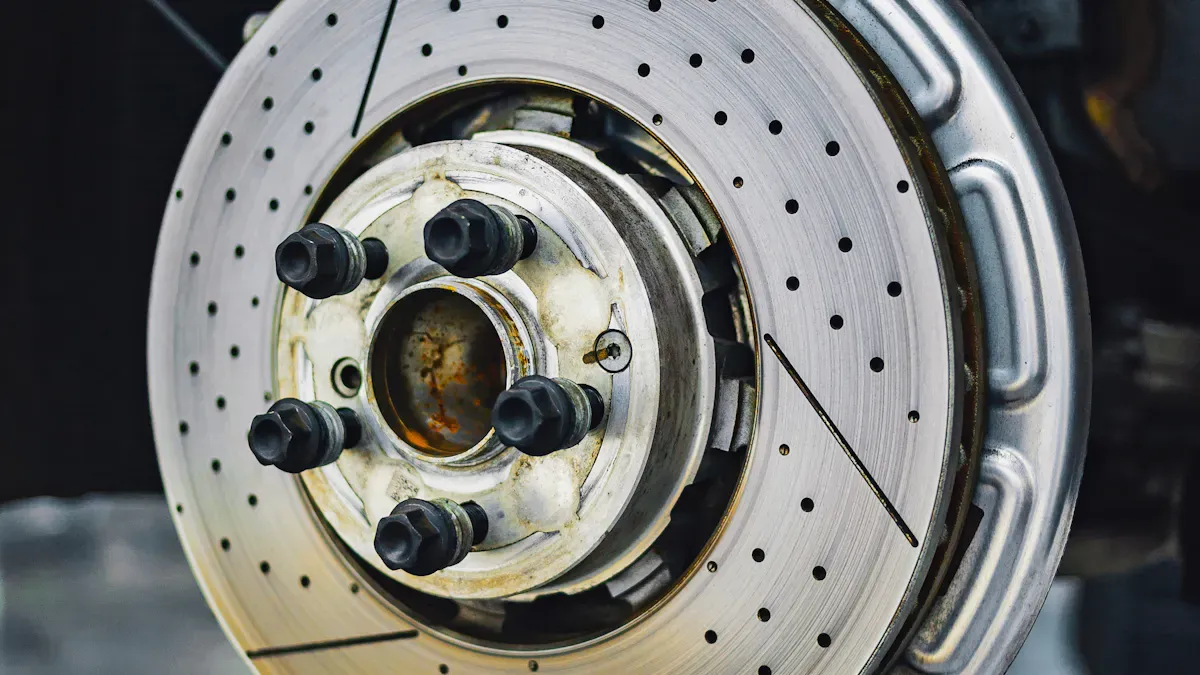
You see alumina and zirconia ceramics in many industrial components. Alumina ceramics work well in bearings, mechanical seals, cutting tools, ceramic shafts, sliders, gears, nozzles, and liners. These parts handle high loads and resist wear, which helps your equipment last longer and reduces maintenance. Zirconia ceramics offer ultra-high toughness and flexural strength. You find them in automotive braking systems and precision structural components that face rapid temperature changes.
You can explore our alumina ceramic bearings category page for more options.
You rely on ceramics for dental crowns, implants, and surgical tools. Zirconia stands out for its strength and biocompatibility. You choose different types based on the balance between strength and appearance. The table below shows how common zirconia materials compare:
|
Material Type |
Mechanical Properties |
Aesthetic Qualities |
|---|---|---|
|
3Y-TZP |
High flexural strength, fracture toughness |
High opacity, limited aesthetic use |
|
5Y-PSZ |
Lower mechanical strength |
Improved translucency, suitable for anterior crowns |
|
4Y-PSZ |
Balanced mechanical properties |
Compromised optical characteristics, suitable for both anterior and posterior crowns |
You can find zirconia dental crowns here for both strength and natural appearance.
You use alumina and zirconia ceramics in electronic substrates, insulators, and high-voltage components. Alumina provides higher dielectric strength and volume resistivity, which makes it ideal for insulation in high-temperature environments. Zirconia works well where moderate temperatures and mechanical demands exist.
|
Material |
Dielectric Strength |
Volume Resistivity |
Maximum Operating Temperature |
|---|---|---|---|
|
Alumina |
23.6 kV/mm |
10¹⁴ Ω·cm |
1765°C |
|
Zirconia |
15 kV/mm |
10¹³ Ω·cm |
1000°C |
You can browse our alumina electronic substrates category page for more details.
You choose alumina for general metalworking and less demanding applications. It offers good hardness and cost-effectiveness. Zirconia excels in heavy-duty and precision work due to its superior heat resistance, durability, and self-sharpening properties. The table below compares their performance:
|
Feature |
Alumina (Aluminum Oxide) |
Zirconia (Zirconia Alumina) |
|---|---|---|
|
Heat Resistance |
Generates significant heat during cutting |
Superior heat and pressure resistance |
|
Durability |
Wears out faster |
More durable, lasts 2-3 times longer |
|
Cutting Efficiency |
Less cutting power |
Greater cutting power, self-sharpening effect |
|
Cost |
More cost-effective |
Higher initial cost, better longevity |
|
Applications |
General metalworking |
Heavy-duty and precision work |
For high-performance needs, you can select zirconia ceramic cutting tools here.
You should focus on your project’s needs when choosing between alumina and zirconia ceramic parts. The table below highlights the main criteria:
|
Property |
Alumina (Al₂O₃) |
Zirconia (ZrO₂) |
|---|---|---|
|
Thermal Stability |
Stable up to 1700°C, excellent thermal shock resistance |
Enhanced toughness, stable up to 2400°C in certain forms |
|
Application Suitability |
Suitable for furnace linings, kiln shelves |
Commonly used in jet engine components due to cyclic heating and cooling resistance |
|
Wear Resistance |
High hardness, good for mechanical parts |
Excellent toughness, suitable for high-stress applications |
Define your application: Consider operating temperature, chemical exposure, and durability.
Prioritize key properties: Match thermal stability or wear resistance to your use case.
For complex projects, you can consult a ceramics expert. This step helps you select the right material for advanced uses like medical implants or solid-state batteries.
You will notice that alumina offers high-temperature stability and chemical resistance. Zirconia provides superior strength and toughness. For most alumina ceramic parts, you can explore options here.
You should select zirconia for applications that require high strength, impact resistance, or biocompatibility. Zirconia works well in medical implants and precision tools. For more on zirconia ceramic cutting tools, visit this page.
Yes, you can use alumina ceramics for electrical insulation. Alumina provides high dielectric strength and resists high temperatures. You can find alumina electronic substrates here.
You should match the ceramic’s properties to your needs. Consider temperature, chemical exposure, and mechanical stress. For complex projects, consult a ceramics expert.
Yes, zirconia ceramics usually cost more due to advanced properties and manufacturing. You may save money long-term with zirconia ceramic parts in high-wear or high-stress applications.

24/7 Call Service +8618018373518
Email : yxshenxing88@vip.163.com
Address : No. 2022, Baoyang Road, Chuanbu Industrial Zone, Yixing City, Wuxi City, Jiangsu Province


 2025-10-14
 2025-10-14
blog Xml Privacy Policy Sitemap
Copyright @ 2026 Yixing Shenxing Technology Co., Ltd. All Rights Reserved.
 Network Supported
leave a message
Scan to wechat :

Scan to whatsapp :