Precision Ceramics transformative new energy and other advanced fields reshape industries and accelerate innovation. You see the market expanding quickly, fueled by electrification, high-frequency electronics, and sustainability demands.
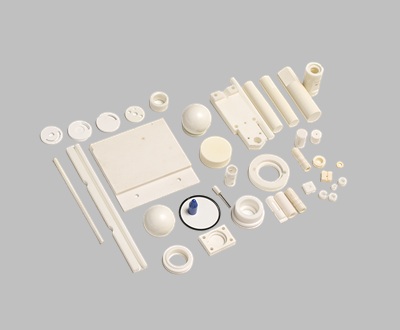
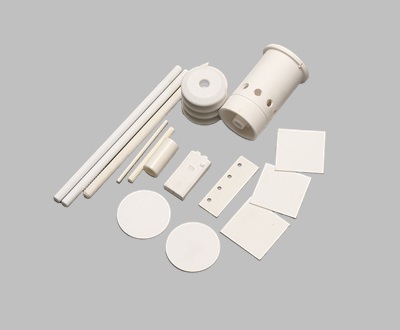
The Ceramic Sensor Base from Yixing Shenxing Technology Co., Ltd. boosts sensor reliability and durability, supporting breakthroughs in demanding environments.
|
Year |
Market Size (USD Billion) |
CAGR (%) |
|---|---|---|
|
2026 |
105.12 |
N/A |
|
2031 |
146.13 |
6.81 |
Precision ceramics enhance performance in industries like aerospace, healthcare, and electronics by providing high strength and thermal stability.
The global market for technical ceramics is projected to grow significantly, driven by demand for advanced materials in clean energy and automotive sectors.
Technical ceramics offer eco-friendly solutions, making them essential for sustainable engineering and innovation in next-generation technologies.
You encounter technical ceramics in advanced engineering because these materials deliver exceptional mechanical, thermal, and electrical performance. Unlike metals and polymers, technical ceramics resist wear, maintain stability at high temperatures, and offer excellent chemical resistance. You benefit from their lightweight structure and superior hardness, which make them ideal for demanding environments.
|
Material |
Key Strengths |
Limitations |
|---|---|---|
|
Metals |
Ductile, machinable, good thermal/electrical conductivity |
Corrosion-prone, heavy, wear under friction |
|
Polymers |
Lightweight, flexible, easy to process |
Low thermal/chemical resistance, poor wear performance |
|
Engineered Ceramics |
Hard, wear-resistant, chemically stable, thermally stable |
Brittle, higher production cost, requires precision machining |
Technical ceramics stand out for their unique properties:
|
Property |
Description |
Typical Value/Range |
|---|---|---|
|
Hardness |
Resistance to indentation and wear |
7–9 Mohs |
|
Fracture Toughness |
Resistance to crack propagation |
3–10 MPa·m¹ᐟ² |
|
Thermal Stability |
Maintains integrity at high temperatures |
>1000°C |
|
Chemical Resistance |
Stability in acids, bases, and oxidizing environments |
Excellent |
|
Density |
Lightweight compared to metals |
2.0–6.0 g/cm³ |
|
Electrical Properties |
Insulating or semiconducting |
Varies by material |
You rely on technical ceramics for sensor bases because they provide thermal stability, electrical insulation, and durability in harsh environments.
You see technical ceramics transforming multiple advanced sectors. The following industries benefit most from these materials:
Aerospace: You use ceramics in turbine blades, heat shields, and sensor components for spacecraft.
Biomedical: You rely on ceramics for medical implants and prosthetics due to their biocompatibility and strength.
Electronics: You depend on ceramic sensor bases and capacitors for insulation and miniaturization in devices.
Energy: You apply ceramics in fuel cells, solar panels, and thermal insulation for efficient energy systems.
Automotive: You integrate ceramics in electric vehicles and high-performance components requiring thermal stability.
Ceramic Sensor Bases from Yixing Shenxing Technology Co., Ltd. support these industries by enhancing reliability and performance in critical sensor applications.
You witness rapid expansion in the technical ceramics market as industries demand advanced materials for next-generation applications. The global market size for technical ceramics stands at approximately USD 12.2 billion. Projections show this figure will reach USD 20.27 billion by 2031, reflecting a compound annual growth rate (CAGR) of 7.6% from 2026 to 2031. This robust growth signals a shift toward high-performance materials across multiple sectors.
Asia-Pacific leads the global market, holding about 36% of the total share. The region benefits from a strong manufacturing base, especially in electronics, automotive, and industrial machinery. Countries like China, Japan, South Korea, and India drive this momentum with large-scale production of smartphones, chips, power modules, and battery systems. Government incentives and investments in material science further accelerate growth, making Asia-Pacific the fastest-growing region for technical ceramics.
North America also demonstrates strong market performance. The United States invests heavily in advanced technology and infrastructure, supporting the adoption of technical ceramics in aerospace, healthcare, and automotive industries. You see significant demand for high-quality sensor components and advanced ceramics that meet strict performance standards.
The global technical ceramics market continues to grow at a steady pace, with innovation and regional investment fueling expansion.
You find several key factors driving demand for technical ceramics worldwide:
Industries such as electronics, aerospace, automotive, and healthcare require materials that withstand high temperatures and provide reliable electrical insulation.
The rise of electric vehicles and renewable energy systems increases the need for ceramics in battery modules, fuel cells, and power electronics.
Products like the Ceramic Sensor Base from Yixing Shenxing Technology Co., Ltd. enhance durability and efficiency in automotive and industrial applications, supporting market growth.
Technological advancements improve manufacturing processes, making technical ceramics more versatile and cost-effective.
Environmental concerns push you to seek sustainable materials. Technical ceramics offer eco-friendly solutions for modern engineering challenges.
Economic conditions and government investments in infrastructure and research stimulate further adoption of advanced ceramics.
You notice that North America’s market expansion relies on the integration of advanced sensor bases and high-performance ceramics in critical sectors. As industries continue to innovate, you can expect technical ceramics to play an even greater role in shaping the future of manufacturing and technology.
You see Precision Ceramics transformative new energy and other advanced fields driving innovation in battery and fuel cell technology. Precision ceramics play a critical role in thermal management and electrical insulation for electric vehicles and energy storage systems. You rely on these materials to distribute heat evenly during fast charging, preventing overheating and extending battery life. Ceramic sensor bases and solid electrolytes, crafted from high-quality grains and fired at elevated temperatures, provide dense structures that enhance ion transport and stability. Recent research shows that light can boost ion flow in solid electrolytes, increasing charging rates and enabling precise control of ion movement. This advancement supports safer, faster, and more efficient lithium batteries and fuel cells. You can explore more about these applications in the new energy ceramic category.
Precision ceramics enable compact hydrogen generators and solid oxide fuel cells, making clean energy solutions more accessible and cost-effective.
You encounter many opportunities as Precision Ceramics transformative new energy and other advanced fields expand. High-performance ceramics improve battery safety, efficiency, and longevity in electric vehicles. Nanotechnology integration enhances material properties, opening new possibilities for energy storage and conversion. However, you face challenges such as the inherent brittleness of ceramics, which complicates manufacturing. High production costs and supply chain constraints limit widespread adoption. Regulatory compliance requirements in the automotive sector can delay market access. You must address these challenges to unlock the full potential of precision ceramics in new energy applications.
High hardness and thermal stability
Electrical insulation for critical energy components
Used in turbine engines and advanced fuel cells
You see precision ceramics as essential for the next generation of sustainable energy systems.
You rely on Precision Ceramics transformative new energy and other advanced fields to drive progress in electronics and semiconductor manufacturing. These materials offer high thermal conductivity, which helps you manage heat efficiently in compact devices. Their electrical insulation properties prevent short circuits, ensuring signal integrity in sensitive circuits. You benefit from chemical stability, which protects components during processes like chemical vapor deposition and plasma etching. Mechanical strength allows these ceramics to maintain precise dimensions under extreme conditions, supporting advanced wafer processing and packaging. As you seek energy efficiency and miniaturization, you see the market for semiconductor ceramics growing rapidly. You can also explore specialized products such as the ceramic laser holder, which supports high-performance optical and electronic systems.
High thermal conductivity for efficient heat management
Electrical insulation for reliable device operation
Chemical stability for harsh manufacturing environments
You depend on Precision Ceramics transformative new energy and other advanced fields to enhance aerospace and defense systems. These ceramics withstand intense heat from propulsion systems and maintain shape after repeated thermal cycles. Corrosion resistance ensures long service life, even when exposed to moisture or fuel. Lightweight structures improve fuel efficiency and payload capacity. You use ceramics in thermal barrier coatings, engine seals, and avionics insulators to protect critical components.
|
Property |
Contribution to Aerospace and Defense Applications |
|---|---|
|
High-Temperature Resistance |
Withstands propulsion heat without losing strength |
|
Dimensional Stability |
Maintains shape after thermal cycles |
|
Corrosion Resistance |
Resists degradation from moisture and fuels |
|
Low Wear |
Reduces maintenance needs |
|
Lightweight Structure |
Enhances fuel efficiency and payload design |
You see Precision Ceramics transformative new energy and other advanced fields improving healthcare devices. Biocompatibility and corrosion resistance make ceramics ideal for implants, pacemakers, and sensor bases. Gold plating ensures safe, long-lasting performance in medical electronics. You benefit from 3D printing technology, which enables custom bioceramic parts for patient-specific needs. Medical ceramics provide non-toxicity and dimensional stability, supporting prosthetics, artificial bones, and dental materials. Advances in material science and surface engineering further improve bonding with bone tissue and device reliability.
|
Benefit |
Description |
|---|---|
|
Biocompatibility |
Safe for use in the human body |
|
Corrosion Resistance |
Extends device lifespan and reliability |
|
Customization |
3D printing enables patient-specific implants |
You trust precision ceramics for their corrosion resistance and high-temperature stability, which are essential for reliable performance in advanced fields.
You see precision ceramics opening new possibilities across advanced industries. In electronics, you find multilayer ceramic capacitors and circuit protection devices that rely on these materials for stability and miniaturization. Aerospace engineers use ceramics for electronic insulators, sensor components in spacecraft, and jet engine parts. In the medical field, you benefit from ceramics in prosthetics and implants, where durability and biocompatibility are essential. Dental professionals also use advanced ceramics like porcelain and zirconia for crowns and bridges.
Electronics: multilayer ceramic capacitors, circuit protection devices
Aerospace: electronic insulators, sensor components, jet engine parts
Medical: prosthetics, implants
Dental: crowns, bridges
You witness rapid progress in ceramic material science. Ceramic matrix composites (CMCs) deliver high thermal performance and toughness, making them ideal for turbines and engines. High-entropy ceramics offer stability under extreme conditions, supporting aerospace and nuclear applications. Ultra-high temperature ceramics withstand temperatures above 2,000 °C, which is critical for hypersonic vehicles. Nanostructured ceramics and ceramic fibers improve thermal management and extend equipment lifespan. Companies like Yixing Shenxing Technology Co., Ltd. lead innovation with products such as the custom ceramic sensor base, setting new standards for reliability and performance.
You notice strong investment in precision ceramics in North America and Asia-Pacific. These regions drive growth through technological advancements and high demand from automotive and electronics industries.
|
Region |
Growth Status |
Contributing Factors |
|---|---|---|
|
North America |
Largest in 2025 |
Technological advancements, automotive and electronics demand, investments |
|
Asia-Pacific |
Fastest-growing |
Manufacturing strength, electronics and automotive demand, R&D investment |
You can expect continued breakthroughs as research and investment accelerate in these hotspots, shaping the future of precision ceramics.
You see precision ceramics transforming industries through innovation and reliability.
In healthcare, aerospace, and electronics, you benefit from enhanced performance and safety.
Market forecasts show strong growth, especially in medical devices, clean energy, and aerospace.
|
Sector |
Growth Driver |
|---|---|
|
Healthcare |
Biocompatible implants and instruments |
|
Clean Energy |
Advanced fuel cell technologies |
|
Aerospace |
Ceramic composites for efficiency and safety |
You can expect continued breakthroughs as AI, robotics, and new manufacturing techniques drive future applications.
You benefit from their high strength, thermal stability, and electrical insulation. These properties support reliable performance in electronics, aerospace, energy, and healthcare applications.
You gain enhanced durability and thermal management. The Ceramic Sensor Base resists corrosion and maintains stability, which ensures accurate sensor readings in harsh environments.
You use precision ceramics in batteries, fuel cells, and hydrogen systems. These materials provide insulation, manage heat, and extend the lifespan of energy devices.

24/7 Call Service +8618018373518
Email : yxshenxing88@vip.163.com
Address : No. 2022, Baoyang Road, Chuanbu Industrial Zone, Yixing City, Wuxi City, Jiangsu Province


 2025-10-14
 2025-10-14
blog Xml Privacy Policy Sitemap
Copyright @ 2026 Yixing Shenxing Technology Co., Ltd. All Rights Reserved.
 Network Supported
leave a message
Scan to wechat :

Scan to whatsapp :