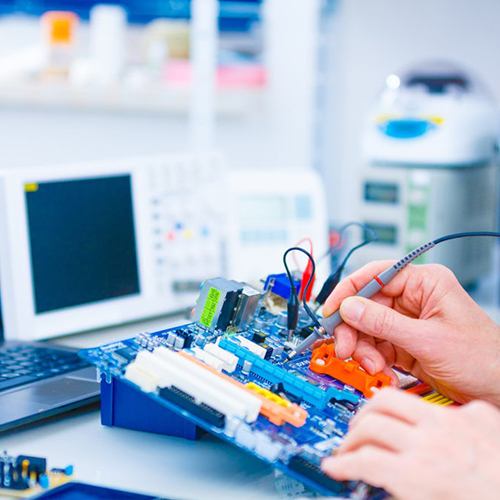
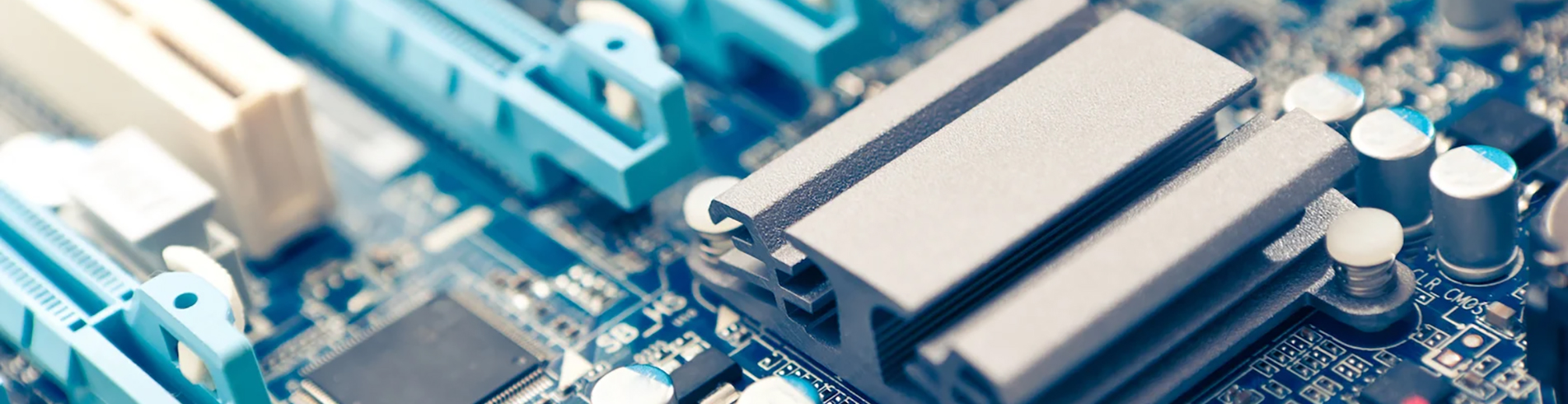
The operational demands placed on equipment in the renewable energy sector are unprecedented. Systems utilized in photovoltaic wafer manufacturing, wind power generation, and electric vehicle (EV) battery production operate continuously under extreme mechanical loads and severe thermal gradients. Traditional metal alloys, and even advanced superalloys, exhibit significant limitations when exposed to constant friction, corrosive chemical slurries, and high-temperature oxidation. This performance gap forces engineering teams to seek alternative materials. Advanced technical ceramics have emerged as the primary solution for components requiring exceptional longevity, dimensional stability, and purity.
The transition from metallic alloys to technical ceramics requires a fundamental understanding of how these materials behave at the atomic level. Unlike metals, which possess metallic bonds that allow atomic mobility under thermal or mechanical stress, ceramics are characterized by strong covalent and ionic bonds. This atomic rigidity translates directly into high melting points, extreme hardness, and structural integrity under conditions that would cause metals to creep, deform, or fail entirely.
Thermal degradation is a primary failure mode in new energy processing equipment. In solar cell manufacturing, specifically during the doping, diffusion, and thermal oxidation processes, production equipment must maintain highly precise dimensional tolerances at continuous operating temperatures frequently exceeding 1,000°C. Metal components in these environments shed particles through oxidation, causing severe contamination to the silicon wafers and drastically reducing the photoelectric conversion efficiency.
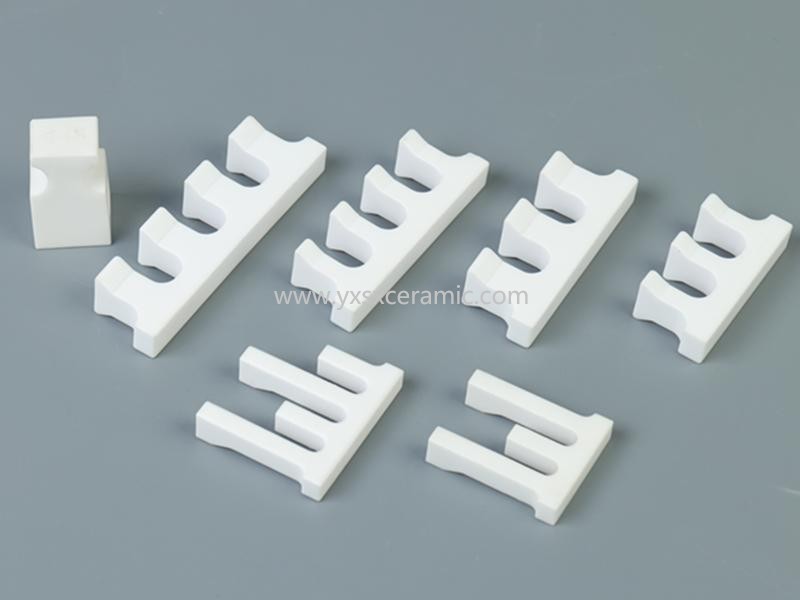
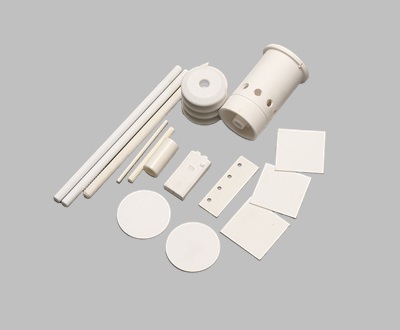
To counteract this, solar equipment manufacturers integrate High Temperature Alumina Ceramic Parts inside these furnaces. Alumina (Al2O3) provides near-zero thermal expansion compared to steel and perfectly resists oxidation. Because it maintains its structural and dielectric properties at 1,600°C, it prevents particulate contamination while ensuring the thermal uniformity required for high-yield photovoltaic manufacturing. The high thermal conductivity of specific ceramic grades also allows for rapid heat dissipation in power electronics, acting as superior heat sinks for insulated-gate bipolar transistors (IGBTs) used in wind turbine inverters and EV power control units.
Wear resistance is equally critical, particularly in the material handling stages of lithium-ion battery production. The processing of cathode and anode materials involves highly abrasive, high-density slurries. Traditional metallic pumps, valves, and mixing impellers degrade rapidly under these conditions. More alarmingly, this mechanical wear releases microscopic metal ions (like iron or copper) into the battery slurry. This contamination directly reduces the final battery capacity, increases self-discharge rates, and elevates the risk of thermal runaway.
To eliminate this risk, fluid handling and mixing systems now heavily rely on Wear Resistant Silicon Carbide Components. Silicon carbide (SiC) possesses a Vickers hardness approaching that of diamond, combined with exceptional chemical inertness. Its extreme abrasion resistance ensures that impellers, mechanical seals, and pipe linings can process aggressive lithium, cobalt, and nickel slurries for thousands of production hours without measurable dimensional loss or particulate shedding. Upgrading a slurry mixing vessel’s mechanical seals from standard tungsten carbide to SiC can extend the continuous operation interval from 3,000 hours to over 15,000 hours, directly increasing production yield.
While extreme hardness prevents abrasive wear, equipment subject to sudden mechanical impacts or high-vibration loads requires a different mechanical property: fracture toughness. Standard ceramics are notoriously brittle. A microscopic surface flaw can rapidly propagate into a catastrophic failure under impact. This brittleness previously limited the use of ceramics in dynamic mechanical systems, such as wind turbine yaw bearings or automated assembly line robotics.
Yttria-stabilized tetragonal zirconia polycrystal (Y-TZP) addresses this exact vulnerability through a unique microstructural mechanism. When mechanical stress is applied to the material, the zirconia crystal structure undergoes a localized phase transformation from a tetragonal state to a monoclinic state. This transformation involves a volume expansion of roughly 3% to 5%. This localized expansion actively compresses the propagating crack, pinching it shut and halting its progression. By designing Custom Zirconia Ceramic Structural Parts for high-impact zones, engineers can utilize components that withstand both steady-state friction and unexpected mechanical shocks. This makes zirconia ideal for precision positioning pins, high-load bearings, and automated welding nozzles in EV chassis assembly.
Selecting the correct ceramic formulation requires analyzing the specific operational environment. Relying on objective material properties ensures that the engineered component meets the exact demands of the new energy application. The data below outlines the baseline mechanical and thermal properties of the three primary technical ceramics utilized in the industry.
| Material Property | Alumina (99.5% Al2O3) | Silicon Carbide (SSiC) | Zirconia (Y-TZP) |
|---|---|---|---|
| Density (g/cm³) | 3.90 | 3.15 | 6.05 |
| Vickers Hardness (GPa) | 15 | 24 | 12 |
| Max Operating Temp (°C) | 1,650 | 1,600 | 1,000 |
| Fracture Toughness (MPa·m¹/²) | 4.5 | 4.0 | 10.0 |
| Thermal Conductivity (W/m·K) | 30 | 120 | 2.5 |
| Primary New Energy Application | Solar wafer furnace tubes, EV power electronics substrates | Battery slurry pumps, abrasive fluid handling seals | EV assembly robotics, wind turbine structural pins |
Designing for technical ceramics requires adjusting standard engineering tolerances and joining methods. Because ceramics cannot be plastically deformed, they cannot simply be bolted or press-fit using the same calculations applied to steel. Engineers must account for the specific Coefficient of Thermal Expansion (CTE) differentials between the ceramic part and its metallic housing or structural support.
When a ceramic bearing is housed in a steel casing, the steel will expand at a significantly faster rate as the operating temperature increases. Without proper design tolerances, this thermal mismatch will result in a loss of interference fit, causing the ceramic component to vibrate or fail. Applying thermal shrink-fitting techniques with calculated clearance geometries is standard practice. Furthermore, utilizing finite element analysis (FEA) during the prototyping phase allows teams to predict stress concentrations and optimize the component geometry before investing in costly diamond-tool machining.
The transition to advanced ceramics demands a shift from evaluating initial unit cost to assessing the total cost of ownership over the equipment's lifecycle. By accurately specifying alumina, silicon carbide, or zirconia based on thermal loads, abrasive exposure, and impact risk, operational teams can effectively eliminate recurring maintenance bottlenecks. Properly integrated ceramic components bridge the gap between theoretical equipment capacity and real-world operational availability in heavy-duty renewable energy processing.

24/7 Call Service +8618018373518
Email : yxshenxing88@vip.163.com
Address : No. 2022, Baoyang Road, Chuanbu Industrial Zone, Yixing City, Wuxi City, Jiangsu Province


 2025-10-14
 2025-10-14
blog Xml Privacy Policy Sitemap
Copyright @ 2026 Yixing Shenxing Technology Co., Ltd. All Rights Reserved.
 Network Supported
leave a message
Scan to wechat :

Scan to whatsapp :