Steatite Ceramic Applications: Why This Material Is Widely Used in Electrical and Heating Components?
Jul 23, 2026
Steatite ceramic is one of the most commonly used technical ceramics in electrical insulation and heating applications due to its excellent electrical performance, mechanical stability, and cost efficiency. Compared with traditional insulating materials, steatite ceramic provides reliable performance under high temperatures, voltage stress, and continuous operation environments.
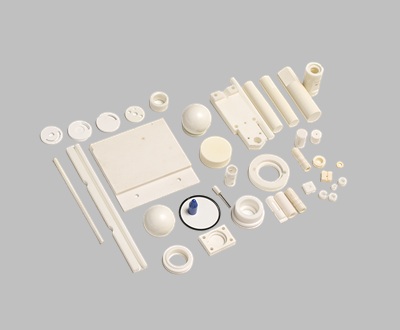
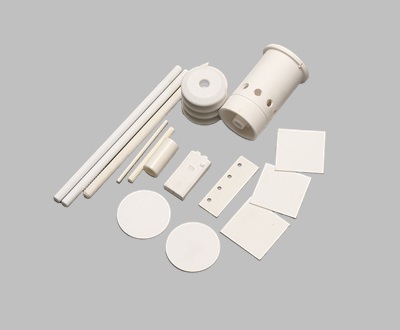
For manufacturers of heating systems, electrical equipment, and industrial components, selecting the right ceramic material is critical. Different applications require different combinations of insulation strength, thermal resistance, mechanical durability, and dimensional accuracy. Steatite ceramic has become a preferred choice for components such as heating element supports, terminal blocks, insulators, resistor bases, and customized ceramic parts.
Understanding where steatite ceramic performs best helps engineers select suitable components, reduce maintenance requirements, and improve product reliability.
What Is Steatite Ceramic and Why Is It Suitable for Industrial Applications?
Steatite ceramic is a magnesium silicate-based ceramic material mainly composed of talc, clay, and other mineral additives. After high-temperature firing, it forms a dense ceramic structure with excellent electrical insulation properties and good mechanical strength.
Unlike general porcelain materials, steatite ceramic offers lower dielectric loss and better machining characteristics, making it suitable for precision components that require stable electrical performance.
Material Property
Typical Performance
Application Benefit
Electrical Insulation
High dielectric strength and low dielectric loss
Reliable insulation in electrical devices
Temperature Resistance
Suitable for continuous high-temperature operation
Stable performance in heating equipment
Mechanical Strength
Good hardness and dimensional stability
Long service life for industrial components
Machinability
Suitable for precision ceramic processing
Supports customized component designs
Because of these characteristics, a High Temperature Steatite Ceramic Insulator is widely selected for applications where electrical isolation and thermal stability are required at the same time.
Main Applications of Steatite Ceramic Components
Steatite ceramic is not limited to one specific industry. Its combination of insulation performance and heat resistance makes it suitable for multiple industrial environments.
Industry
Typical Steatite Ceramic Components
Key Requirements
Electrical Equipment
Terminal blocks, insulation supports, connector bases
High insulation resistance and stable voltage performance
Heating Equipment
Heating element supports, ceramic holders, resistor insulators
Heat resistance and thermal cycling stability
Industrial Control Systems
Electrical spacers, ceramic mounts, protective parts
Mechanical strength and reliable insulation
New Energy Equipment
High-temperature insulation components
Long-term operation reliability
In heating applications, steatite ceramic is especially valuable because it can maintain insulation performance while being exposed to repeated heating and cooling cycles. This makes it suitable for heating resistance systems, industrial heaters, and electrical thermal devices.
Why Steatite Ceramic Is Used in Heating Resistance Applications
Heating systems require materials that can withstand high temperatures while preventing electrical leakage. Metal components provide excellent conductivity, but they require reliable insulation protection to ensure safety and efficiency.
Steatite ceramic components are often used around heating elements because they provide electrical separation while maintaining structural stability under thermal stress.
Heating Application
Steatite Ceramic Function
Electric Heaters
Supports heating wires and prevents electrical contact
Industrial Resistance Heating
Provides insulation and mechanical protection
Thermal Equipment
Maintains component stability during temperature changes
Heating Connectors
Provides safe electrical connection points
For manufacturers producing heating equipment, choosing a Steatite Ceramic Heating Resistance Component can improve electrical safety, reduce component failure risks, and extend product service life.
How to Select the Right Steatite Ceramic Component for Your Project
Selecting a ceramic component requires more than checking dimensions. Engineers should evaluate operating temperature, electrical requirements, mechanical loads, and environmental conditions.
Selection Factor
Questions to Consider
Operating Temperature
Will the ceramic component face continuous heating or thermal cycling?
Electrical Performance
What insulation voltage and dielectric requirements are needed?
Mechanical Structure
Does the component require impact resistance or load support?
Customization
Are special shapes, holes, or precision dimensions required?
For customized industrial applications, working with a manufacturer that provides precision ceramic processing is important. A professional supplier can optimize material selection, structural design, and manufacturing processes according to the final working environment.
Steatite Ceramic vs Other Technical Ceramic Materials
Different ceramic materials provide different performance advantages. Steatite ceramic is often selected because it offers a practical balance between electrical insulation, mechanical strength, and manufacturing cost.
Material
Main Advantage
Common Applications
Steatite Ceramic
Good insulation, low loss, cost-effective
Electrical insulators, heating components
Alumina Ceramic
Higher hardness and wear resistance
Electronic substrates, high-strength parts
Zirconia Ceramic
Excellent toughness and strength
Precision mechanical components
While alumina and zirconia ceramics are preferred for some demanding mechanical applications, steatite ceramic remains a practical solution for electrical insulation and heating-related components where stable performance and cost control are important.
Future Demand for Steatite Ceramic in Industrial Manufacturing
As electrical equipment becomes more compact and industrial systems require higher reliability, ceramic insulation materials continue to play an important role. Heating equipment, automation systems, and energy-related devices all require components that can operate safely under demanding conditions.
Manufacturers are also increasing demand for customized ceramic parts with precise dimensions and complex structures. Advanced ceramic processing technology allows suppliers to produce components according to specific drawings, application environments, and performance requirements.
For companies requiring reliable ceramic solutions, selecting an experienced Precision Steatite Ceramic Parts Manufacturer helps ensure consistent quality, accurate production, and suitable material performance for long-term industrial applications.
Frequently Asked Questions About Steatite Ceramic
What are the main applications of steatite ceramic?
Steatite ceramic is widely used in electrical insulation and heating applications, including heating element supports, resistor bases, ceramic connectors, terminal blocks, and insulation components for industrial equipment. Its excellent electrical insulation and thermal stability make it suitable for high-temperature working environments.
Why is steatite ceramic commonly used for electrical insulation?
Steatite ceramic provides high electrical resistance, low dielectric loss, and stable insulation performance. These properties allow it to maintain reliable electrical isolation in connectors, insulators, and high-voltage or high-temperature electrical components.
Can steatite ceramic withstand high temperature environments?
Yes. Steatite ceramic has good thermal stability and can maintain mechanical and electrical properties during continuous heating and thermal cycling. It is commonly used in heating resistance components, industrial heaters, and thermal equipment.
What is the difference between steatite ceramic and alumina ceramic?
Steatite ceramic is mainly selected for electrical insulation, low dielectric loss, and cost-effective industrial applications. Alumina ceramic generally provides higher hardness and wear resistance, making it more suitable for applications requiring extreme mechanical strength.
Can steatite ceramic components be customized according to drawings?
Yes. Steatite ceramic components can be customized according to customer drawings, including dimensions, holes, shapes, and surface requirements. Professional ceramic manufacturers can provide customized solutions for electrical, heating, and industrial applications.






 2025-10-14
 Network Supported