What Makes Ceramic Sealing Rings Essential for High-Performance Pump Systems
Oct 13, 2026
Seal failure in high-performance pumps brings leakage, contamination, efficiency loss, and unplanned downtime. In hydrocarbon service, mechanical seal failure initiates 80% of centrifugal pump failures. Industry estimates also trace 60–70% of centrifugal pump maintenance work to seal-related repairs.
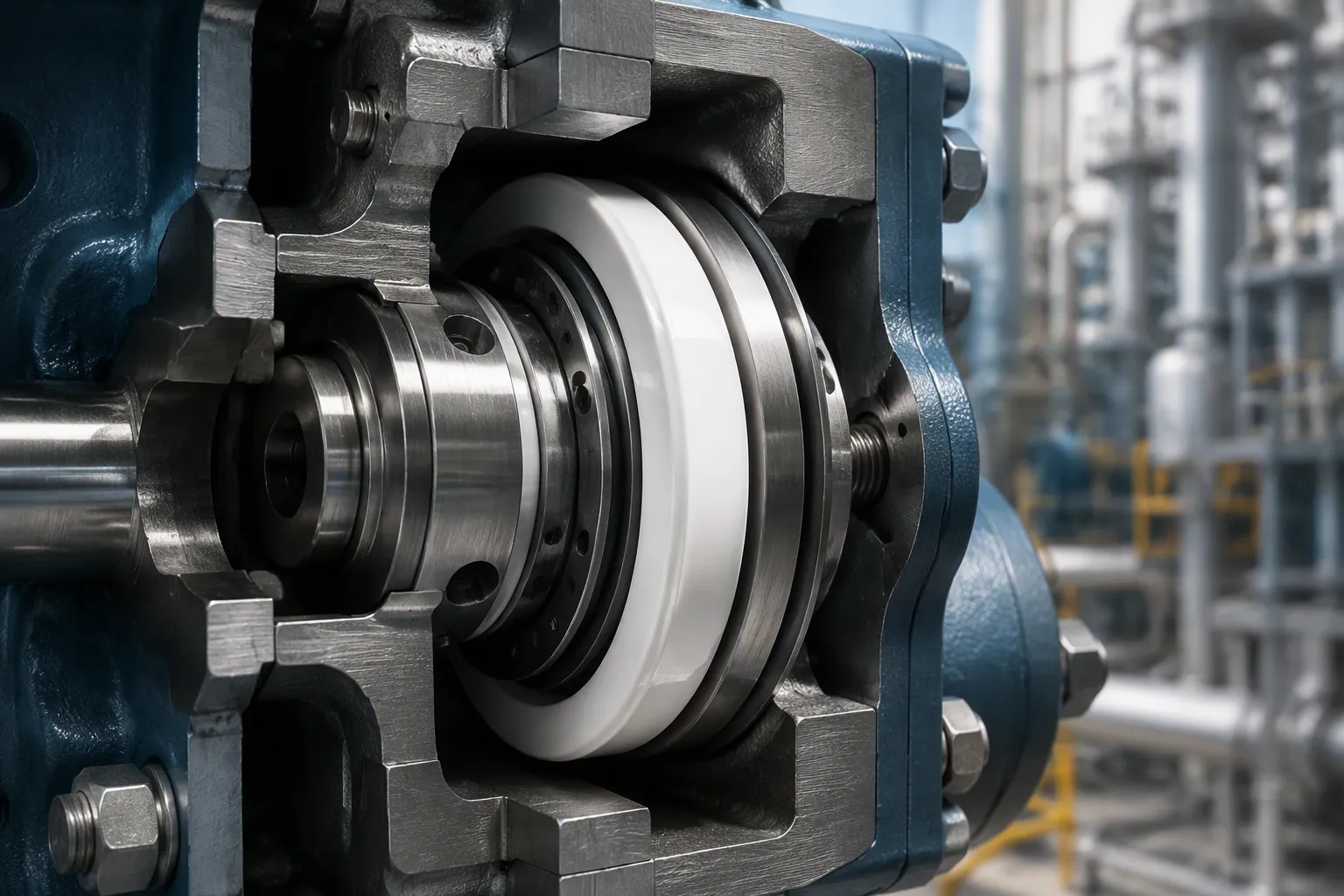
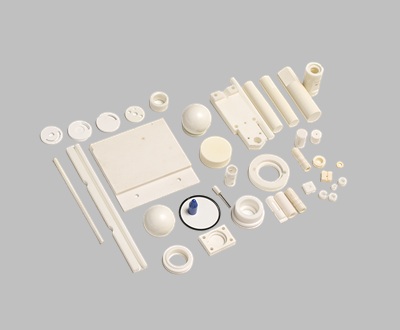
Yixing Shenxing's Ceramic Sealing Rings counter these failures with extreme hardness, corrosion resistance, and thermal stability. They resist abrasive particles, aggressive chemicals, and high temperatures that destroy rubber or metal faces.
Why does this matter for high-performance pump systems? Durability, reliability, and efficiency depend on the interface that contains fluid pressure. A stable ceramic face keeps rotating and stationary parts sealed, reducing leakage and extending service intervals.
Key Takeaways
Ceramic sealing rings resist abrasive particles, aggressive chemicals, high temperatures. Rubber faces, metal faces cannot match it. Choose them for harsh fluids.
Silicon carbide faces deliver extreme hardness. They last three to eight times longer in abrasive slurry pumps. This durability reduces downtime.
Ceramic faces stay flat under high pressure, high heat. They resist heat distortion. Stable faces keep leakage within design limits.
Ceramic rings resist chemical attacks. They withstand acids, alkalis, salts. Chemical processing pumps run longer with these faces.
Higher upfront cost provides long-term savings. Fewer replacements reduce maintenance hours. Reduced leakage protects production, lowers total cost.
Material Properties of Ceramic Sealing Rings
Ceramic faces earn their place in high-performance pumps through their base material properties. Three families dominate pump sealing: silicon carbide, alumina, and tungsten carbide. These materials behave differently under pressure, heat, and chemical attack. Each delivers a distinct balance of hardness, toughness, density, and chemical stability.
Hardness and Wear Resistance
Hardness measures resistance to surface deformation. Silicon carbide leads the field with a Vickers hardness of 2500 kg/mm² and a Mohs rating of 9–9.5, a value close to diamond. Tungsten carbide sits near 1500–1700 HV. Alumina also offers high hardness, although published figures vary with grade and test method.
With a Vickers hardness of 2500 kg/mm² and 9–9.5 on the Mohs scale, your SiC hardness nears that of diamond.
Toughness tells the other side of the story. Silicon carbide is extremely hard but brittle, with fracture toughness from 2.5 to 4.5 MPa·m^1/2. Tungsten carbide reverses the balance: 9.0–14.0 MPa·m^1/2 fracture toughness with lower hardness. The table below captures the trade-off.
Material
Hardness (HV)
Fracture toughness (MPa·m^1/2)
Silicon carbide (sintered)
2500–2800
2.5–4.0
Silicon carbide (reaction-bonded)
2000–2200
3.0–4.5
Tungsten carbide (6% Co)
1200–1500
9.0–14.0
Alumina
High (not numerically reported)
—
Hardness alone does not guarantee wear life. Abrasive slurry service shows alumina ceramic earning a 5/5 abrasion rating; stainless steel 316 earns 2/5. Abrasive particles strip the steel's passive film, and corrosion attacks fresh metal. Material loss then rises 2 to 5 times. Ceramic faces avoid this failure loop entirely. Field data confirms the edge: silicon carbide sealing rings in abrasive slurry pumps last 3 to 8 times longer than conventional hard-alloy rings. Density deepens the advantage. Tungsten carbide weighs 13–15.5 g/cm³; silicon carbide sits near 3.0–3.15 g/cm³. A lighter seal face reduces centrifugal loading and inertia, easing dynamic tracking.
Chemical Inertness and Thermal Stability
Silicon carbide resists chemical attack because of its strong covalent Si–C bonds. The structure stays inert in most acids, alkalis, and salts. Hydrofluoric acid is the notable exception. Specifiers rely on SiC in aggressive streams, including:
98% concentrated sulfuric acid
Chloride-containing slurries
Reactive gases such as CF₄ and Cl₂
Real-world installations confirm this behavior. Flue gas desulfurization pumps handling acidic slurries at pH 2–4 ran continuously for more than 8,000 hours. A deep-sea high-pressure simulation, at 100 MPa of water pressure, held leakage below 1 mL/min. Alumina follows a similar path; no passive film means erosion-corrosion risk stays low.
Thermal stability separates ceramic faces from elastomer and metal rivals. Alumina tolerates continuous service up to 1600°C. Pressureless-sintered silicon carbide (SSiC) operates above 1400°C; reaction-bonded SiC (RBSiC) reaches approximately 1300°C. Free silicon in RBSiC creates a weakness under strong alkali at high temperature. Density differs as well: RBSiC sits near 3.02 g/cm³, while SSiC reaches 3.10–3.15 g/cm³. SSiC, with virtually no free silicon, offers superior corrosion resistance and a wear rate roughly one-third to one-half of RBSiC. Hot, corrosive processes find their benchmark in SSiC.
Material selection ultimately determines pump availability. ceramic sealing rings for pumps, especially silicon carbide and alumina grades, combine compressive strength with chemical stability that metals and elastomers cannot match. Yixing Shenxing formulates these grades for severe service, pairing material science with machined precision.
Ceramic Rings vs. Metal and Elastomer Seals
Every material in a mechanical seal carries a distinct set of failure modes. The specification must weigh those modes against the fluid chemistry and operating envelope. Elastomer and metal faces fail in predictable ways. Ceramic faces fail in fewer ways when the correct grade is selected.
Limits of Rubber and Metal Seals
Elastomer seals dominate low-cost pump designs. They tolerate minor misalignment and provide a tight static seal. Their chemistry works against them in severe service.
Seal material
Dominant failure modes
Supporting detail
Elastomer (O-rings, bellows)
Chemical attack, swelling, hardening, heat damage, mechanical damage
Incompatible fluids degrade elastomers; heat makes them brittle or glazed; installation or start-stop torque can nick or tear them.
Metal/carbide (silicon carbide, tungsten carbide)
Dry-running damage, abrasive wear, poor lubricity in hard-on-hard pairs
Hard-on-hard silicon carbide faces lose the lubricating film quickly; abrasives grind grooves into the faces.
Ceramic (alumina)
Thermal-shock cracking, cracking from heat
Hard and corrosion-resistant but poor thermal-shock resistance; rapid temperature changes create spoke-like cracks.
Metal faces offer hardness that elastomers cannot match. Metals corrode or gall in demanding fluids. Metal-to-metal contact, after fluid film collapse, generates heat. Higher pressure raises closing force, creating frictional heat and thinning the lubricating film. Face distortion and thermal cracking follow.
Heat damages elastomer seals through several mechanisms. High temperature softens rubber and lets fluid bypass the sealing lip. In high-pressure systems, softened elastomer extrudes into clearances, where edges are nibbled away. Heat also causes permanent compression set; after cooling, the seal no longer fills its groove. The 10°C rule applies directly: every 10°C increase doubles oxidation and degradation rates. Elastomer life shortens sharply with small temperature rises. At low temperatures, glass transition makes elastomers brittle and prone to startup leaks.
Ceramic Advantages in Pressure and Heat
Ceramic faces remove most of these degradation paths. They do not swell, extrude, or soften. They resist the chemical and thermal aging that attacks rubber.
Silicon carbide's thermal data explains why it holds a face flat.
Material
Thermal conductivity
CTE (×10⁻⁶ /K)
Maximum service temp
Pressureless sintered SiC (SSiC)
~100–120 W/m·K
~4.0
~1600 °C
Reaction-bonded SiC (RBSiC)
~50–100 W/m·K
~4.5
~1380 °C
High thermal conductivity pulls heat away from the rub interface. Low thermal expansion stops the face from growing into an uneven shape. These properties reduce thermal distortion and support consistent sealing pressure. A hard face also tolerates abrasives that would grind a metal surface. Ceramic rings avoid the corrosion loop that strips passive films from alloy faces.
The same material traits manage high-pressure risk. Pressure loads the face harder, producing heat. A low-expansion ceramic face keeps flatness under that load. The closing force stays even, and leakage remains within design limits.
A documented high-pressure injection pump at roughly 180 bar proves the point. Frequent failures came from an unbalanced seal with inadequate cooling and occasional dry running. The upgrade used balanced dual cartridge seals with silicon carbide faces and a cooled Plan 53 barrier system. Seal life extended beyond 18 months.
Yixing Shenxing produces ceramic mechanical seal rings in silicon carbide grades. The material package decides whether a pump survives harsh conditions. Ceramic Sealing Rings deliver the flat, stable sealing interface that high-pressure service demands.
Critical Applications in High-Performance Pumps
Chemical Processing and Abrasive Media
Chemical processing pumps move fluids that destroy standard seal materials. Ceramic Sealing Rings handle these corrosive streams where metals and plastics fail. Silicon carbide, tungsten carbide, carbon graphite, and alumina ceramic all appear in mechanical seal faces for this service. Alumina suits water-based duties and costs less, though it resists thermal shock poorly compared with silicon carbide.
Abrasive media adds a second challenge. Slurries grind away softer faces and open leakage paths. Ceramic rings for chemical pumps resist this erosive wear and hold a flat sealing interface. Several industries depend on this performance:
Petrochemical plants use ceramic rings in hydrocarbon transfer pumps, ending weekly seal failures and the safety concerns they raised.
Wastewater treatment plants rely on ceramic rings to survive abrasive particles that wore out conventional seals.
Mining operations manage abrasive slurries with ceramic-faced pumps.
Pharmaceutical process pumps cut seal-related downtime by 85% after switching to ceramic rings.
Water ring vacuum pumps and chemical processing pumps also benefit. Ceramic faces prevent leakage, protect internal components, and maintain pump efficiency across long service runs.
Ceramics and silicon carbides serve niche applications for highly abrasive and corrosive slurries where metals and plastics fail. These ultra-hard materials resist wear and chemical attack, but they are brittle and require careful handling during maintenance to prevent cracking.
High-Temperature and High-Pressure Systems
Heat and pressure push seal faces toward distortion and early failure. Ceramic materials hold their shape because they expand little and conduct heat well. Silicon carbide faces keep flatness under load, so closing force stays even and leakage stays within design limits. This stability matters in energy systems, compressors, and other high-speed rotating equipment.
Cavitation erosion presents another threat in severe service. Collapsing vapor bubbles pit metal faces and strip protective films. Ceramic materials and coatings resist this damage along with erosive wear and chemical attack. Yixing Shenxing supplies silicon carbide grades built for these demanding duties, giving engineers a sealing interface that lasts where conventional materials break down.
Reliability and Cost Benefits of Ceramic Sealing Rings
Fewer Failures and Longer Service Life
Seal failure drives unplanned downtime, and unplanned downtime drives cost. Ceramic faces attack that problem at the source. They resist the abrasion, corrosion, and heat that shorten seal life, so they fail less often and last longer. Silicon carbide rings in abrasive slurry pumps already run 3 to 8 times longer than conventional hard-alloy rings. A pharmaceutical process pump cut seal-related downtime by 85% after switching to ceramic rings. Those gains translate directly into fewer maintenance callouts and more production hours.
Ceramic seals also support shorter shaft designs in water pumps. A shorter shaft deflects less under load, which lowers vibration at the seal chamber. Reduced deflection and vibration extend the life of both the mechanical seal and the bearings. The pump runs smoother, and the whole rotating assembly wears more slowly.
Lower Total Cost of Ownership
Ceramic rings often cost more up front than rubber or metal alternatives. That higher purchase price hides a different economic picture. Lower replacement frequency cuts parts spending and labor hours. Reduced leakage protects product, avoids cleanup, and prevents the safety incidents that leaks create. A high-pressure injection pump at roughly 180 bar shows the pattern. Its original unbalanced seal failed often. A balanced dual cartridge seal with silicon carbide faces and a cooled Plan 53 barrier system pushed seal life beyond 18 months.
Engineers who specify durable ceramic sealing rings accept the initial premium and collect the return over the service interval. Yixing Shenxing builds these rings for exactly that trade-off, pairing hard, stable faces with the precision that keeps leakage within design limits. Fewer failures, longer intervals, and lower losses together improve total cost of ownership.
Ceramic Sealing Rings prove essential in high-performance pump systems. Their hardness, corrosion resistance, and thermal stability outperform metal and elastomer faces. These properties translate into measurable gains: less leakage, fewer failures, longer service intervals, and lower maintenance costs. Field evidence supports this claim. Silicon carbide rings last three to eight times longer in abrasive slurry pumps. Balanced dual seals extend service beyond eighteen months. These outcomes reduce unplanned downtime and protect rotating equipment.
Engineers and maintenance professionals should select ceramics for pumps handling corrosive, abrasive, high-temperature, or high-pressure fluids. Yixing Shenxing manufactures these components with precision. The initial investment returns through fewer replacements and sustained efficiency.
FAQ
What makes silicon carbide the preferred ceramic for pump seal faces?
Silicon carbide combines a Vickers hardness of 2500 kg/mm² with strong covalent Si–C bonds. It resists acids, alkalis, and salts, with hydrofluoric acid as the main exception. High thermal conductivity and low thermal expansion keep the face flat under load.
How much longer do ceramic sealing rings last than metal rings?
Service life depends on the duty. In abrasive slurry pumps, silicon carbide rings last 3 to 8 times longer than conventional hard-alloy rings. A pharmaceutical process pump cut seal-related downtime by 85% after switching to ceramic rings.
Can ceramic seals handle high pressure and high temperature?
Yes, within grade limits. Alumina serves up to 1600°C, SSiC above 1400°C, and RBSiC near 1300°C. A deep-sea simulation at 100 MPa held leakage below 1 mL/min. A 180 bar injection pump reached beyond 18 months of seal life.
Why do rubber and metal seals fail where ceramics succeed?
Rubber swells, hardens, and extrudes under heat and chemical attack. Metal faces corrode or gall when the fluid film collapses. Ceramic faces do not swell, soften, or strip a passive film, so they avoid these failure paths.
Are ceramic sealing rings worth the higher purchase price?
The initial cost runs higher than rubber or metal options. Lower replacement frequency, reduced leakage, and fewer maintenance callouts offset that premium. Yixing Shenxing builds these rings for severe service, and the return arrives across the service interval.






 2025-10-14
 Network Supported