Ceramic piston tubes vs. traditional piston tubes: A detailed comparison
May 27, 2026
Ceramic piston tubes and traditional piston tubes differ in material composition, mechanical strength, and resistance to corrosion. You will find that ceramic piston tube options offer superior wear resistance and thermal efficiency, making them ideal for high-performance piston pump systems in demanding environments. Traditional piston tubes, often made from steel or aluminum, provide cost-effective solutions for pump applications where durability and corrosion protection are less critical. Performance, durability, cost, and maintenance matter most when you select a piston for your pump. The table below shows how material choice impacts yield strength and suitability for specific piston pump applications:
Material
Yield Strength
Advantages
Disadvantages
S275 JR
Lower
Commonly used in construction
Lower yield strength
AISI 304 Stainless Steel
High
Corrosion resistance
Higher cost
Al 7075-T6
High
Lightweight
Higher cost
Composite (epoxy/carbon)
Very High
Weight reduction
Very high cost
You should prioritize a piston tube that aligns with your pump's operational demands. Ceramic piston tubes excel in environments requiring high thermal resistance and minimal maintenance, while traditional piston tubes suit general-purpose pump systems.
Key Takeaways
Ceramic piston tubes offer superior wear resistance and thermal efficiency, making them ideal for high-performance applications.
Traditional piston tubes are cost-effective and suitable for general-purpose use, especially in less demanding environments.
Choosing the right piston tube can reduce maintenance needs and extend service life, saving you time and money.
Ceramic options excel in harsh conditions, providing better corrosion resistance and lower friction, which enhances pump efficiency.
Evaluate both initial and long-term costs when selecting a piston tube to ensure you make the best choice for your application.
Ceramic piston tube basics
Definition & materials
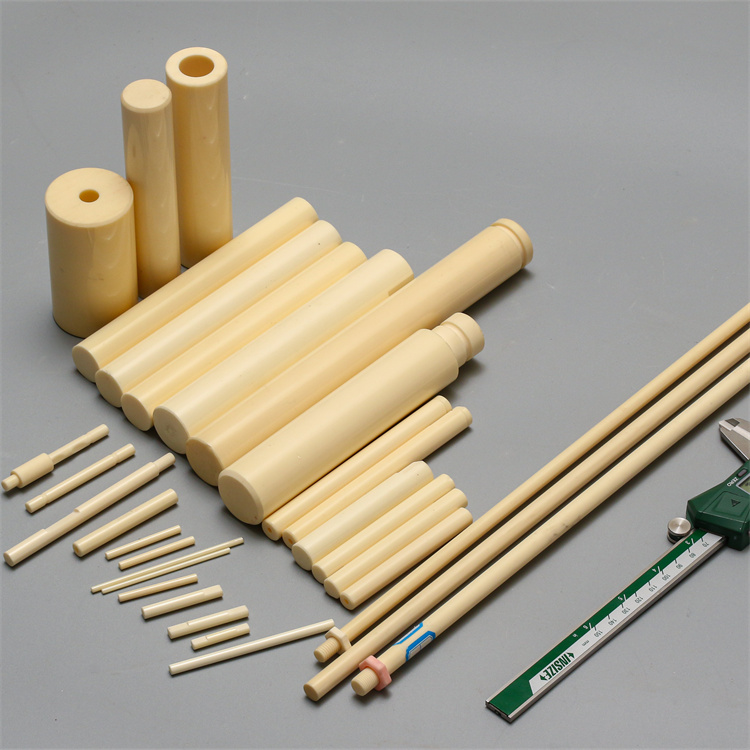
You will encounter a ceramic piston tube as a specialized component designed for high-performance pump systems. Manufacturers create this piston using advanced ceramic materials, such as alumina or zirconia. These ceramics provide a dense, hard structure that resists deformation under pressure. You often see a ceramic coating applied to the surface, which further enhances durability and minimizes friction during pump operation.
The material selection process focuses on achieving maximum strength and chemical stability. You benefit from a piston that maintains its shape and function even in aggressive chemical environments. When you compare this to metal alternatives, the ceramic piston tube stands out for its ability to withstand extreme temperatures and corrosive fluids. If you want to explore more about the ceramic piston tube product range, you can find detailed specifications and options online.
Key properties
A ceramic piston tube offers several key properties that make it ideal for demanding pump applications:
Exceptional hardness: You get a piston that resists wear, even after thousands of pump cycles.
Superior thermal resistance: The ceramic material allows the piston to operate in high-temperature environments without losing integrity.
Low friction coefficient: The ceramic coating reduces friction, which means less heat generation and lower energy consumption for your pump.
Corrosion resistance: You avoid common issues with rust or chemical attack, making the ceramic piston tube suitable for aggressive or abrasive fluids.
Lightweight construction: You benefit from reduced overall pump weight, which can improve efficiency and ease of maintenance.
Tip: If your pump system requires minimal downtime and long service intervals, a ceramic piston tube can deliver significant advantages over traditional options.
For specialized needs, such as chemical dosing or high-pressure industrial pumps, you may want to review advanced ceramic piston pump components for further performance gains. You can also compare these features with traditional piston tube alternatives to determine the best fit for your application.
Traditional piston tube overview
Definition & materials
You will find that traditional piston tubes serve as the backbone for many pump systems. Manufacturers typically use metals such as steel, stainless steel, or aluminum as the primary material. These metals provide a balance of strength, machinability, and cost-effectiveness. You may also encounter surface treatments like chrome plating, which help extend the service life of the piston in harsh environments.
When you select pump materials, you should consider the compatibility of the piston with the fluid and the operating conditions. Steel offers solid durability for general-purpose pumps. Stainless steel resists corrosion, making it suitable for chemical or water-based applications. Aluminum provides a lightweight option, which can reduce the overall weight of the pump assembly. For more details on available options, you can review traditional steel piston tubes for industrial pumps.
Key properties
Traditional piston tubes deliver several advantages for pump systems:
Mechanical strength: You benefit from a piston that withstands high pressures without deformation.
Cost efficiency: The material and manufacturing process keep costs manageable, especially for large-scale production.
Ease of machining: You can achieve precise dimensions and surface finishes, which ensures a proper fit in the pump.
Versatility: Traditional piston tubes adapt to a wide range of pump designs and operating environments.
Note: If you operate a pump in a standard industrial or commercial setting, a traditional piston tube often meets your needs without unnecessary expense.
You may want to compare these features with ceramic piston tube alternatives if your application requires higher wear resistance or thermal stability. For specialized pumps, such as those used in food processing or water treatment, you can explore stainless steel piston tubes for sanitary pumps.
Traditional piston tubes remain a reliable choice for many users. You gain predictable performance and straightforward maintenance, which can simplify your pump management strategy.
Piston tube performance
Thermal resistance & efficiency
You need to consider thermal resistance and efficiency when selecting a piston for your pump or engine. Ceramic piston tube options deliver outstanding heat resistance. These tubes act as a thermal barrier, preventing excessive heat transfer from the combustion chamber to the rest of the pump assembly. This property helps maintain stable operating temperatures and reduces the risk of thermal fatigue. You benefit from high thermal diffusion, which allows the piston to dissipate heat quickly and avoid hot spots that can damage components.
Traditional piston tubes, often made from steel or aluminum, provide moderate heat resistance. However, they cannot match the thermal barrier properties of ceramics. In high-performance piston pump systems, you may notice that metal tubes absorb and transfer more heat, which can lead to increased wear and reduced efficiency over time. Ceramic piston tube designs, especially those using advanced materials like zirconium oxide-toughened alumina, maintain their structural integrity even under intense combustion conditions.
When you use a ceramic piston tube in your pump, you improve overall performance by reducing heat loss and maintaining optimal combustion temperatures. This efficiency translates into better fuel economy and lower emissions. For applications that demand maximum heat resistance, such as high-pressure piston pump systems or engines operating under extreme loads, you should explore high-temperature ceramic piston tubes for superior results.
Tip: If your pump or engine operates in a high-temperature environment, a ceramic piston tube will help you achieve consistent performance and extend the lifespan of your equipment.
Friction, wear, and corrosion
Friction, wear, and corrosion directly impact the performance and reliability of your piston pump. Ceramic piston tube solutions excel in these areas due to their unique material properties. You gain several advantages:
Ceramic materials offer superior corrosion resistance, hardness, and temperature stability compared to traditional metals.
High-performance ceramics like zirconium oxide-toughened alumina and high-purity aluminum oxide provide excellent protection against erosion from combustion byproducts.
Ceramic cylinder liners withstand high-speed reciprocating friction, delivering extreme hardness and exceptional wear resistance.
HVOF (High Velocity Oxy-Fuel) coatings on ceramics outperform conventional hard chrome plating in both wear and corrosion resistance.
When you use a ceramic piston tube, you minimize the risk of pitting, rust, and chemical attack. This benefit is especially important in pumps that handle aggressive or abrasive fluids. You also reduce maintenance needs, as ceramic surfaces resist buildup and require less frequent cleaning. For more information on wear-resistant options, you can review advanced ceramic piston pump components.
Traditional piston tubes, while strong and cost-effective, do not provide the same level of protection. Steel and aluminum pistons are more susceptible to corrosion, especially in environments with harsh chemicals or high combustion temperatures. Over time, you may notice increased wear, leading to more frequent replacements and higher maintenance costs. If you operate a piston pump in a standard setting, traditional tubes may suffice, but for demanding applications, ceramics offer a clear advantage.
Note: Choosing a ceramic piston tube for your pump ensures you benefit from maximum wear resistance, reduced friction, and superior corrosion protection, all of which contribute to longer service intervals and improved performance.
When you evaluate piston tube options, always consider how friction, wear, and corrosion resistance will affect your pump's efficiency and reliability. For specialized needs, such as corrosion-resistant ceramic piston tubes, you can find products tailored to harsh environments.
Durability & lifespan
Wear and corrosion resistance
You need to evaluate wear and corrosion resistance when selecting a piston for your pump system. These factors directly impact the durability and service life of both ceramic and traditional piston tubes. Ceramic piston tubes, especially those with advanced ceramic coating, deliver exceptional protection against harsh environments. You benefit from a dense, low-porosity surface that resists chemical attack and mechanical abrasion.
The following table highlights key differences between ceramic-coated and traditional piston coatings:
Feature
Ceramic Coated Hydraulic Cylinders
Traditional Piston Rod Treatments
Corrosion Resistance
Up to 2000 hours (ASTM B117)
Good corrosion protection
Surface Hardness
800-900 HV
900-1000 HV (hard chrome)
Coating Thickness
0.25 – 0.30 mm
25-50μm (hard chrome)
Bond Strength
Extremely high
Moderate
Porosity
Very low
Higher (prone to cracking)
Performance in Harsh Environments
Superior performance
Extended service life with double chrome plating
You see that ceramic piston tubes outperform traditional options in several critical areas. The ceramic coating provides a thicker, more robust barrier against corrosion and wear. This means your piston pump can operate longer in aggressive conditions without significant degradation. Low porosity in ceramic coatings reduces the risk of cracking and pitting, which often leads to premature failure in metal-based piston coatings.
When you use a ceramic piston tube in your pump, you gain:
Outstanding chemical resistance. Ceramic remains inert to most aggressive fluids, including medicinal syrups and industrial cleaning agents. You avoid metallic contamination and ensure product purity.
Superior wear and abrasion resistance. The hard surface withstands continuous operation, maintaining dimensional accuracy and extending the lifespan of your piston pump.
Reduced maintenance and downtime. You replace parts less frequently, which lowers your total cost of ownership.
If you operate in environments with high salinity or exposure to aggressive chemicals, ceramic piston tubes offer up to 10-20 times better corrosion protection than traditional chrome plating. For applications that demand maximum durability, such as marine pumps or chemical dosing systems, you should consider high-durability ceramic piston tubes for optimal performance.
Note: The right piston coatings can dramatically extend the service intervals of your pump, especially in abrasive or corrosive environments.
Failure rates
Failure rates play a crucial role in determining the overall reliability of your piston pump system. Ceramic piston tubes, due to their advanced ceramic coating and superior material properties, exhibit much lower failure rates compared to traditional piston tubes. You benefit from ultra-high precision and a smooth surface finish, which allow for close tolerances and reduce the need for gaskets. This design minimizes the risk of leaks and mechanical breakdowns.
You will notice several advantages when you choose ceramic piston tubes:
Low friction operation. The smooth ceramic surface reduces heat buildup and energy consumption, which helps your pump run cooler and more efficiently.
Excellent wear resistance. Ceramic components resist abrasion, so you experience fewer dimensional changes and maintain consistent performance over time.
Superior corrosion protection. Ceramic piston tubes withstand exposure to aggressive chemicals and marine environments, resulting in fewer failures due to rust or chemical attack.
Traditional piston tubes, even with double chrome plating, cannot match the longevity of ceramic options. Higher porosity and moderate bond strength in metal coatings increase the risk of cracking and surface degradation. Over time, you may face more frequent replacements and unexpected downtime.
If you manage a high-volume or mission-critical pump application, you should explore advanced ceramic piston pump components to reduce failure rates and extend equipment life. For standard industrial pumps, traditional piston tubes may suffice, but you must weigh the increased risk of wear and corrosion-related failures.
Ultra-high precision and low friction in ceramic piston tubes support faster, more consistent filling cycles.
Reduced maintenance needs mean less frequent part replacement and lower risk of unexpected pump failures.
Tip: For applications where downtime is costly or unacceptable, ceramic piston tubes provide unmatched durability and reliability.
You can also compare traditional steel piston tubes for industrial pumps if your application does not require extreme durability or operates in less aggressive environments.
Cost factors
Manufacturing complexity
You face a clear difference in manufacturing complexity when comparing ceramic piston tubes to traditional options. Ceramic piston tubes require advanced processes, including high-temperature sintering and precision machining. Manufacturers often use nanotechnology to enhance strength and stability, which expands the applications for these components. AI integration now improves design and quality control, reducing defects and boosting efficiency. 3D printing, powered by AI, is revolutionizing ceramic piston production, offering higher quality and lower production costs. Despite these advancements, the complex manufacturing steps and expensive raw materials still drive up the cost of ceramic piston tubes.
Advancement Type
Description
AI Integration
AI is enhancing design, manufacturing, and quality control, leading to improved efficiency and reduced defects.
Nanotechnology
The use of nanostructured ceramics improves strength, conductivity, and stability, expanding applications.
3D Printing
AI-powered ceramic 3D printing is revolutionizing the production process, enhancing quality and reducing costs.
Manufacturing Complexity
The complex manufacturing processes and high raw material costs contribute to increased production costs.
Traditional piston tubes, made from steel or aluminum, use established manufacturing methods. You benefit from lower complexity and faster production times. These tubes suit general-purpose pump systems and keep costs manageable. For more details, you can review traditional steel piston tubes for industrial pumps.
Initial vs. long-term costs
You notice a higher initial cost when you select ceramic piston tubes for your pump. The advanced materials and manufacturing complexity increase the price of the piston and the overall engine. However, ceramic piston tubes deliver significant long-term value. You experience fewer replacements and reduced maintenance needs, which lowers your total cost of ownership. Ceramic piston tubes resist wear and corrosion, so you spend less time and money on upkeep.
Traditional piston tubes offer a lower upfront cost. You pay less for the piston and installation, but you may face higher maintenance expenses over time. Frequent replacements and increased downtime can offset the initial savings. If you operate a pump in a demanding environment, ceramic piston tubes provide better long-term value. For specialized applications, such as high-durability ceramic piston tubes, you gain extended service life and improved reliability.
Tip: Evaluate both initial and long-term costs before choosing a piston tube for your pump. Ceramic options may cost more upfront, but they often save you money in the long run.
If you want to explore more about advanced ceramic piston pump components, you can find solutions that maximize performance and minimize maintenance.
Maintenance needs
Cleaning & upkeep
You must consider cleaning and upkeep when you select a piston for your pump system. Ceramic piston tubes require minimal maintenance because their surfaces resist buildup and corrosion. You can clean these components with simple methods, such as wiping with a soft cloth or using mild solvents. This process keeps the piston in optimal condition and prevents contamination. If you operate in environments with aggressive fluids, you will appreciate the ease of cleaning ceramic piston tubes. For example, ceramic piston tube solutions for chemical dosing pumps offer superior resistance to residue and scaling.
Traditional piston tubes need more frequent maintenance. You must inspect for rust, pitting, and residue, especially if you use the pump in harsh conditions. Cleaning often involves abrasive tools or specialized cleaners. This increases the risk of surface damage and shortens the lifespan of the piston. You can review traditional piston tube maintenance kits for recommended cleaning products.
Tip: Choose ceramic piston tubes if you want to reduce maintenance time and simplify cleaning routines.
Replacement frequency
Replacement frequency depends on the material and operating environment. Ceramic piston tubes last longer because they resist wear and corrosion. You may only need to replace these components after extended service intervals. This reduces downtime and lowers maintenance costs. If you use high-durability ceramic piston tubes for industrial pumps, you can expect reliable performance over many years.
Traditional piston tubes require more frequent replacement. You must monitor for signs of wear, such as surface cracks or loss of dimensional accuracy. Pumps with traditional piston tubes often need replacement parts every few months, especially in demanding applications. You can find replacement piston tubes for water treatment systems to maintain consistent operation.
Piston Tube Type
Cleaning Difficulty
Replacement Interval
Maintenance Cost
Ceramic
Low
Long
Low
Traditional
Moderate
Short
High
Note: You should schedule regular maintenance checks to ensure your piston operates efficiently and to avoid unexpected failures.
Best piston tube applications
When to choose ceramic piston tubes
You should select ceramic piston tubes when your application demands maximum durability, high thermal resistance, and minimal maintenance. These tubes excel in environments where pumps handle aggressive chemicals, abrasive fluids, or operate at elevated temperatures. For example, if you manage a chemical dosing system or a high-pressure industrial pump, ceramic piston tubes provide superior wear and corrosion resistance. You can explore ceramic piston tubes for chemical dosing pumps to see how they perform in harsh chemical environments.
Consider ceramic piston tubes if you want to reduce downtime and extend service intervals. Their low friction surfaces help maintain pump efficiency and lower energy consumption. In industries such as pharmaceuticals, food processing, or marine applications, you benefit from the inert nature of ceramics, which prevents contamination and ensures product purity. For more details, review advanced ceramic piston pump components designed for demanding operations.
Tip: Choose ceramic piston tubes for mission-critical systems where reliability and long-term cost savings matter most.
When to choose traditional piston tubes
You should choose traditional piston tubes when your pump operates in standard industrial or commercial settings with moderate demands. These tubes offer a cost-effective solution for general-purpose applications, such as water treatment, HVAC systems, or light manufacturing. If your system does not face extreme temperatures or highly corrosive fluids, traditional piston tubes provide reliable performance at a lower upfront cost.
Traditional piston tubes are easy to machine and replace, making them ideal for projects with tight budgets or where rapid part availability is important. For example, you can find traditional steel piston tubes for industrial pumps that deliver consistent results in everyday operations. If you need a straightforward, proven solution, traditional piston tubes remain a practical choice.
Note: Select traditional piston tubes for applications where initial cost and ease of maintenance take priority over maximum durability.
Pros & cons table
You need a clear overview when deciding between ceramic piston tubes and traditional piston tubes. The table below summarizes the main advantages and disadvantages of each type, helping you match the right piston tube to your application.
Feature
Ceramic Piston Tubes
Traditional Piston Tubes
Wear Resistance
Outstanding. You get minimal wear, even in abrasive environments.
Good, but you may see faster wear in harsh conditions.
Thermal Resistance
Excellent. Magnesium-stabilized zirconia handles temperatures up to 1850°C. Alumina works well below 1700°C.
Moderate. Steel and aluminum can deform or lose strength at high temperatures.
Corrosion Resistance
Superior. You avoid rust and chemical attack, ideal for aggressive fluids.
Varies. Stainless steel resists corrosion, but standard steel and aluminum are weaker.
Maintenance Needs
Low. You spend less time on cleaning and upkeep.
Higher. You need frequent checks and cleaning, especially in tough environments.
Cost
Higher initial investment. Alumina offers lower cost, while zirconia provides better performance at a premium.
Lower upfront cost. You benefit from established, cost-effective manufacturing.
Replacement Frequency
Infrequent. You enjoy long service intervals and fewer replacements.
More frequent. You may need to replace parts regularly in demanding applications.
Thermal Shock Resistance
Zirconia excels. Alumina can fail under rapid temperature changes.
Moderate. Metals handle thermal shock better than alumina but worse than zirconia.
Machinability
Complex. You require advanced processing and specialized equipment.
Simple. You can machine and finish parts easily.
Note: You should choose magnesium-stabilized zirconia ceramic piston tubes for high-temperature, high-stress environments. Alumina ceramic piston tubes suit applications below 1700°C, but you must avoid rapid temperature changes. For general-purpose use, traditional steel piston tubes for industrial pumps offer a cost-effective and reliable solution.
Quick Pros & Cons List
Ceramic Piston Tubes
✅ Exceptional wear and corrosion resistance
✅ High thermal stability
✅ Long service life
❌ Higher initial cost
❌ Complex manufacturing and machining
Traditional Piston Tubes
✅ Lower cost and easy to source
✅ Simple to machine and replace
❌ More frequent maintenance
❌ Lower resistance to extreme temperatures and aggressive chemicals
If you want to explore more about advanced ceramic piston pump components, you can find options tailored for specialized needs. You should always match your choice to your pump’s operational demands for the best results.
You gain clear advantages by choosing ceramic piston tubes for high-performance pump systems. Ceramic options deliver longer service life, reduce contamination by 80%, and save over $42,000 per year in downtime and replacement costs. Review the table below for a quick comparison of MSZ and alumina tubes:
Property
MSZ Tubes
Alumina Tubes
Maximum Temperature
1850°C
≤1750°C
Fracture Toughness
~7–10
~3–4
Thermal Shock Resistance
Very High
Moderate
Chemical Resistance
Excellent
High
Thermal Conductivity
Low
Moderate
Density
~5.6
~3.8
You should select zirconia ceramic piston tubes for high-temperature pumps when durability and chemical resistance matter most.
Choose alumina ceramic piston tubes for moderate thermal demands if you need cost-effective performance.
Opt for traditional steel piston tubes for general-purpose applications where budget and easy maintenance are priorities.
Consider your pump’s operational requirements before making a decision. Yixing Shenxing Technology Co., Ltd. offers advanced ceramic piston tube solutions for industrial pumps that help you maximize reliability and efficiency.
FAQ
What makes ceramic piston tubes ideal for high-temperature pump applications?
You benefit from ceramic piston tubes because they withstand extreme heat and resist thermal shock. Their advanced materials, such as magnesium-stabilized zirconia, maintain structural integrity in demanding environments. Explore high-temperature ceramic piston tubes for industrial pumps for reliable performance.
How often should you replace traditional piston tubes in abrasive environments?
You need to monitor traditional piston tubes regularly. In abrasive conditions, replacement may be necessary every few months. Frequent inspections help you avoid unexpected failures. Review replacement piston tubes for water treatment systems for suitable options.
Can you use ceramic piston tubes in chemical dosing systems?
You can use ceramic piston tubes in chemical dosing systems. Their corrosion resistance and inert surfaces prevent contamination. These features make them ideal for handling aggressive fluids. Learn more about ceramic piston tubes for chemical dosing pumps.
Are traditional piston tubes cost-effective for general-purpose pumps?
You find traditional piston tubes cost-effective for general-purpose pumps. Their lower upfront price and easy machinability suit standard industrial applications. For more details, check traditional steel piston tubes for industrial pumps.
What maintenance steps help extend the lifespan of ceramic piston tubes?
You extend the lifespan of ceramic piston tubes by cleaning them with mild solvents and avoiding abrasive tools. Their smooth surfaces resist buildup, so you spend less time on upkeep. Regular maintenance ensures optimal performance in your pump system.






 Network Supported



 2025-11-28