High-temperature power applications demand housing materials capable of enduring continuous thermal stress. You need robust protection to prevent arcing and lock in precise tolerances. Utilizing a durable Heat Resistant Ceramic enclosure shields your sensitive resistor element from physical degradation.
Inorganic structural components offer non-flammable protection, high dielectric strength, and low thermal expansion. These material properties protect every custom resistor and primary resistor within high-voltage systems. Furthermore, dynamic ceramic resistors operate safely during continuous energy surges. Choosing a specialized ceramic resistor case maintains structural integrity where typical materials char. Modern ceramic resistors protect your power resistor setup, while heavy-duty power resistors ensure long-term reliability for demanding industrial circuits.
Inorganic ceramic cases will not burn or melt during extreme electrical overloads.
Ceramic housing moves internal heat outward quickly to keep resistor parts cool.
Rigid ceramic structures prevent dangerous electrical arcs and sparkovers in high-voltage setups.
Durable ceramic materials withstand rapid temperature changes without cracking or changing shape.
Engineers select ceramic materials based on specific thermal and mechanical demands. Alumina and steatite serve as the primary substrates for housing high-power circuit elements. Steatite serves as an economical alternative to alumina with strong dielectric performance at high frequencies. However, steatite involves functional trade-offs, including lower mechanical strength and a lower maximum operating temperature capability compared to alumina. You can compare the key physical metrics of these two substrate materials in the table below:
|
Thermal Property |
Alumina |
Steatite |
|---|---|---|
|
Maximum Mechanical Temperature (°C) |
650 to 1730 |
750 to 1230 |
|
Thermal Conductivity (W/m-K) |
14 to 30 |
1.8 to 2.5 |
Alumina conducts heat rapidly away from internal components. This rapid transfer keeps your power resistor cool under heavy operational loads. Meanwhile, steatite provides ideal electrical isolation for high-frequency dynamic circuits. Matching your design requirements with the proper substrate material guarantees stable continuous operation.
Organic enclosures often char, smoke, or catch fire during severe electrical overloads. Inorganic substrate structures eliminate these safety hazards entirely. Inorganic steatite and alumina materials inherently resist flame, eliminate toxic outgassing, and maintain physical rigidity under severe thermal loads. A solid Ceramic Resistor Case will not combust even when internal wire elements reach incandescent temperatures.
This non-flammable nature makes ceramic resistors essential for safety-critical installations. Modern industrial control panels rely on heavy-duty ceramic resistors to prevent catastrophic fires during fault conditions. Furthermore, choosing a specialized ceramic composition resistor ensures complete fire protection in compact automotive enclosures. The inorganic matrix protects adjacent circuit components from heat damage, maintaining continuous operational safety across high-power networks.
Severe heat weakens standard housing materials, causing sagging, cracking, and loss of dimensional stability. Advanced industrial ceramics can withstand extreme base temperatures exceeding 2000°C without melting or structural deformation. This high thermal tolerance prevents mechanical alignment shifts inside your electrical assembly.
Heavy electrical surges generate rapid temperature spikes inside a standard power resistor setup. Ceramic housing designs absorb these localized thermal bursts effortlessly. Ceramic shells preserve physical shape, shielding every sensitive resistor element from external impacts and atmospheric contaminants. These durable enclosures house robust power resistors, protect high-current wirewound resistors, and stabilize precision resistors against extreme physical stress. Selecting dense ceramic housing safeguards your primary resistor from physical degradation during extreme load variations. Modern industrial circuits utilize high-performance ceramic resistors to guarantee continuous durability across challenging dynamic environments.
High-power circuits subject internal electrical components to continuous thermal stress during high-power operations. You must evacuate heat rapidly to protect the interior element from early electrical failure. Standard wirewound ceramic resistors operate reliably at elevated continuous temperatures from 200°C to 250°C and above. Specialized ceramic components maintain stable structural properties across these high temperature ranges.
Heat generation starts directly at the center resistance wire during high-current surges. Modern resistor design relies on direct conductive thermal transfer pathways to push energy outward rapidly. Metal alloys inside heavy-duty power resistors generate significant thermal energy under high electrical loads. Fast thermal transfer prevents localized hot spots from forming along the resistance wire.
Without efficient thermal pathways, internal heat builds up quickly and causes rapid resistance drift. Protecting sensitive components requires steady energy conduction from the central core toward the external environment. Solid ceramic insulation materials facilitate continuous kinetic energy transfer at the atomic level. This rapid conduction lowers the operational temperature of the primary element. Maintaining cool internal conditions preserves long-term circuit stability under demanding loads.
Air voids act as thermal insulators and trapped air pockets concentrate intense heat inside a power resistor shell. High-density inorganic potting cements displace internal air voids completely. These specialized fillers solidify inside the housing to create a solid thermal bridge. The conductive paste transfers thermal energy efficiently from the internal resistor wire directly to the outer shell.
Inorganic cements also withstand high operational temperatures without shrinking or cracking over time. Stable cement matrixes protect delicate resistance wire loops against severe physical vibrations. Eliminating internal air pockets secures every solid dynamic component against sudden thermal expansion stress. Furthermore, incorporating a dense fill material improves overall mechanical rigidity. Choosing the right inorganic filler ensures continuous electrical isolation while maximizing internal heat transfer rates.
The outer enclosure acts as the primary heat sink for the entire electrical assembly. Utilizing a rectangular Ceramic Resistor Case maximizes external surface area for natural convection and radiant cooling. Flat outer walls contact printed circuit boards or aluminum heat sinks directly. This geometric design creates excellent power dissipation across compact circuit layouts.
Heavy power demands require robust outer enclosures to maintain structural integrity. Standard ceramic composition resistor units benefit from specialized external housing geometries that vent thermal energy cleanly. Specialized high power resistors utilize dense steatite or alumina outer shells to accelerate thermal radiation. Efficient external heat evacuation lowers internal thermal resistance significantly. Modern power circuits rely on ceramic resistors to dissipate continuous wattage without degrading surrounding electrical components. Enclosing your system in hard technical ceramic safeguards long-term performance across demanding industrial environments.
High temperatures lower breakdown voltage in insulating materials. Advanced housing materials maintain dielectric strength under continuous heat. Electrical loads generate intense thermal stress inside your primary resistor setup. Solid ceramic insulation shields sensitive components from electrical breakdown.
|
Source / Context |
Degradation Behavior |
Quantitative Effect / Performance |
|---|---|---|
|
Experimental Studies |
Degradation patterns show decreases with rising temperatures |
Significant breakdown strength reduction observed across ceramic insulators |
|
TDK Corp. Predictive Models |
Thermal degradation under stress |
20% to 30% reduction in breakdown strength per 100°C temperature increase |
|
NGK Insulators Models |
Exponential decrease via Arrhenius behavior (activation energy: 0.8–1.2 eV) |
Retains breakdown field strength above 15 kV/mm up to 200°C |
High dielectric strength prevents current leakage across your circuit layout. Selecting durable ceramic components shields your power resistor setup against severe overload.
Extreme heat warps organic housing materials. Warping reduces clearance space between live terminals. Solid ceramic enclosures preserve exact dimensions under thermal stress. Rigid housing walls maintain required creepage distances across your high-voltage resistor layout.
Proper spacing prevents sparkover across system components. Specialized wirewound ceramic resistors protect complex circuit assemblies against flashover damage. Industrial control boards rely on stable power resistors to keep internal wiring safe. Precision surface mount resistors and sensing resistors maintain spatial gaps. Your dynamic power resistor maintains precise internal clearance during heat surges.
High electrical potentials cause carbon tracking on soft walls. Non-flammable ceramic surfaces eliminate carbonization risks completely. High voltage cannot form conductive paths across hard inorganic walls. Modern dynamic power circuits use specialized ceramic resistors to eliminate surface tracking failures.
Engineers specify rugged units like the 30W Ceramic Case for automotive circuits. These robust ceramic enclosures isolate live elements from conductive debris. High-power ceramic resistors maintain dielectric isolation in demanding automotive setups. Placing durable power resistors secures long-term circuit stability. Specialized brake resistors and heating resistors prevent arcing failures. Every primary resistor, balancing resistor, grounding resistor, sensing resistor, bleed resistor, and shunt resistor stays safe inside a dense technical ceramic shell.
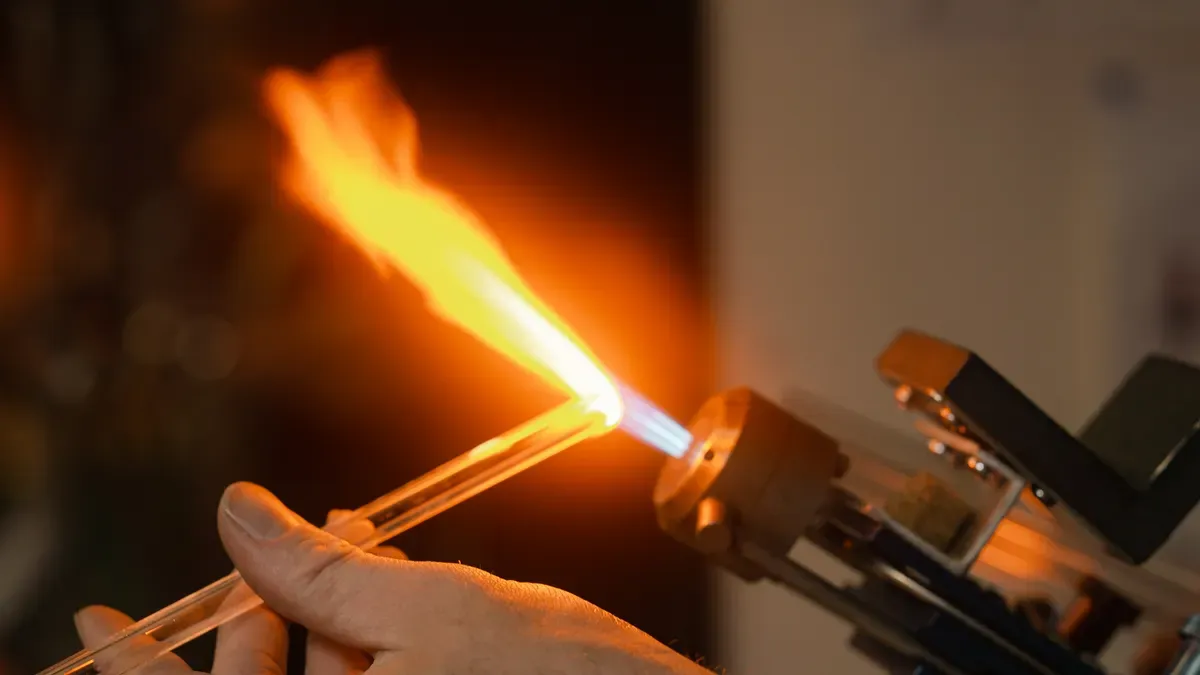
Rapid temperature spikes induce extreme physical stress inside electronic assemblies. You must match thermal expansion rates across materials to prevent mechanical failure during rapid pulse surges. A dense ceramic housing expands at structural rates close to internal metal alloys. This physical harmony stabilizes your primary resistor assembly under harsh thermal shock conditions.
Incompatible expansion rates crack fragile solder joints during rapid temperature cycles. Utilizing a robust ceramic resistor case absorbs localized expansion cleanly without fracturing internal potting seals. This tough ceramic material shields delicate resistor element components from mechanical distortion. Consequently, high-performance ceramic resistors protect sensitive power networks during continuous heavy energy loads.
Modern electric vehicle power setups demand durable housing solutions for sudden high-current surges. High-current power circuits generate immediate thermal bursts during heavy battery charging cycles. You can deploy specialized high power resistors to manage severe transient electrical loads safely. These rugged resistor core housings safeguard surrounding control boards against excessive operational heat accumulation.
Engineers specify compact ceramic resistors across core applications of ceramic resistors in electric vehicles. Dense ceramic insulation absorbs dynamic thermal shock during sudden vehicle acceleration bursts. A reliable ceramic composition resistor handles sudden high-voltage spikes without physical degradation. Automotive control units maintain safe continuous energy flow under dynamic real-world driving loads.
Industrial motor drives create severe electrical energy feedback during emergency stopping routines. Dynamic braking systems convert kinetic energy directly into intense thermal pulses inside a dynamic resistor setup. Standard braking resistors experience ohmic changes when surface temperatures rise rapidly. Protecting your brake resistor setup preserves strict operational parameters over time for each active resistor unit.
Selecting heavy-duty power resistors limits resistor thermal drift during intense vehicle deceleration cycles. Solid protective enclosures stabilize internal resistance wire elements against severe physical movement. These durable ceramic resistors resist structural fatigue in high energy applications. Industrial automation systems maintain reliable operational control across dynamic resistors during heavy braking cycles.
Selecting a durable ceramic resistor case ensures long-term system longevity for your high-power electronics. Technical inorganic materials combine extreme thermal resistance, non-flammable security, and high dielectric strength. Proper casing selection eliminates common failure modes like housing charring, electrical flashover, and heat-induced resistor drift. You can explore popular ceramic resistor models to safeguard demanding circuits under intense energy loads. Specialized power enclosures, such as the 30W Ceramic Case, serve as benchmark examples for rugged automotive component design. Modern ceramic resistors protect each dynamic power resistor, braking resistor, balancing resistor, bleed resistor, and shunt resistor from thermal stress while stabilizing auxiliary power resistors. Ultimately, dynamic ceramic resistors provide the most dependable protection for mission-critical power setups.
An inorganic ceramic shell prevents open flames and structural warping during unexpected heat spikes. A standard organic resistor housing chars under continuous load. Selecting dense ceramic material shields your primary power resistor from sudden electrical breakdown and keeps your high-voltage circuit safe.
Dense ceramic resistors maintain high dielectric strength under continuous heat stress. The rigid housing preserves required physical clearance around each power resistor terminal. This solid structure eliminates carbon tracking across surfaces, shielding active resistors, your sensing resistor, and your dynamic balancing resistor from electrical flashover.
Yes. Heavy-duty power resistors absorb rapid temperature spikes cleanly without cracking. Solid internal potting cement displaces air voids completely inside the assembly. This dense filler locks the internal resistor wire in place, protecting dynamic braking resistors and your shunt resistor against mechanical stress.
In EV power setups, heavy-duty ceramic resistors manage intense pulse energy during battery charging. This non-flammable ceramic casing transfers thermal energy outward rapidly. It shields your auxiliary grounding resistor and primary bleed resistor, protecting sensitive vehicle electronics against heat-induced drift over time.

24/7 Call Service +8618018373518
Email : yxshenxing88@vip.163.com
Address : No. 2022, Baoyang Road, Chuanbu Industrial Zone, Yixing City, Wuxi City, Jiangsu Province


 2025-10-14
 2025-10-14
blog Xml Privacy Policy Sitemap
Copyright @ 2026 Yixing Shenxing Technology Co., Ltd. All Rights Reserved.
 Network Supported
leave a message
Scan to wechat :

Scan to whatsapp :