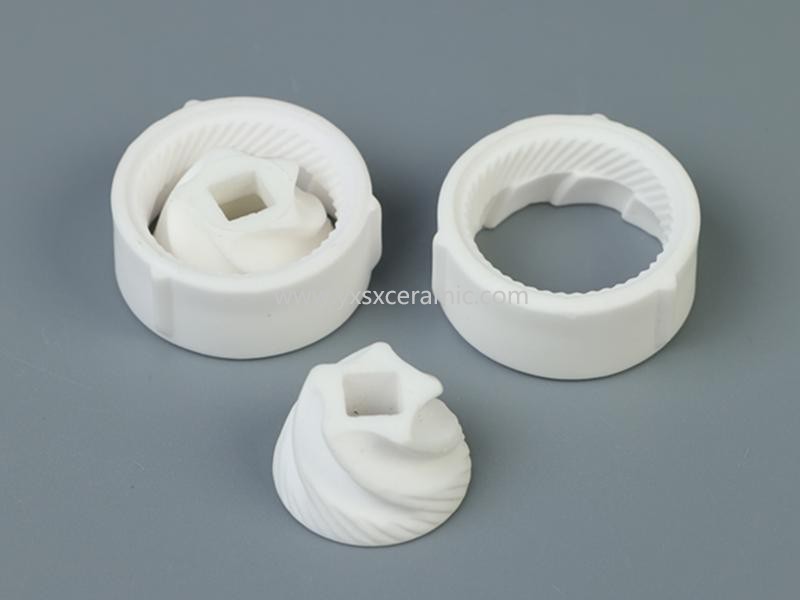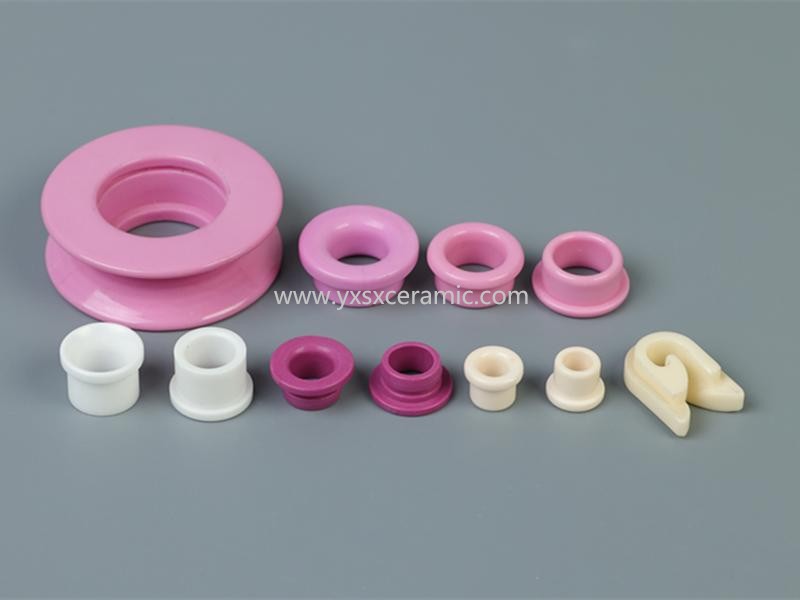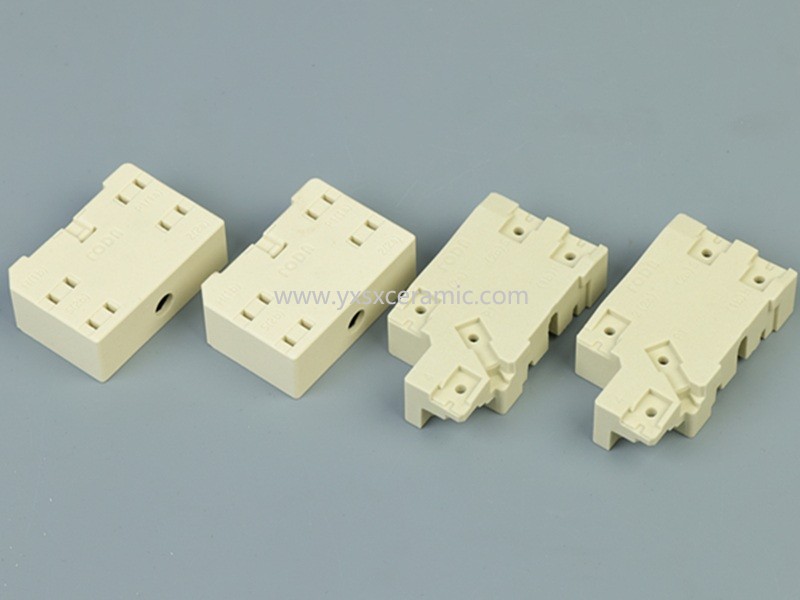
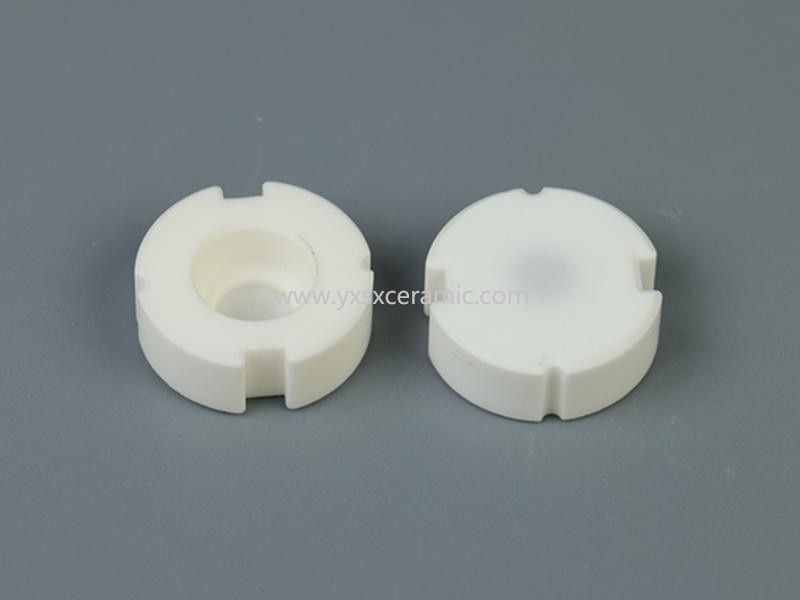
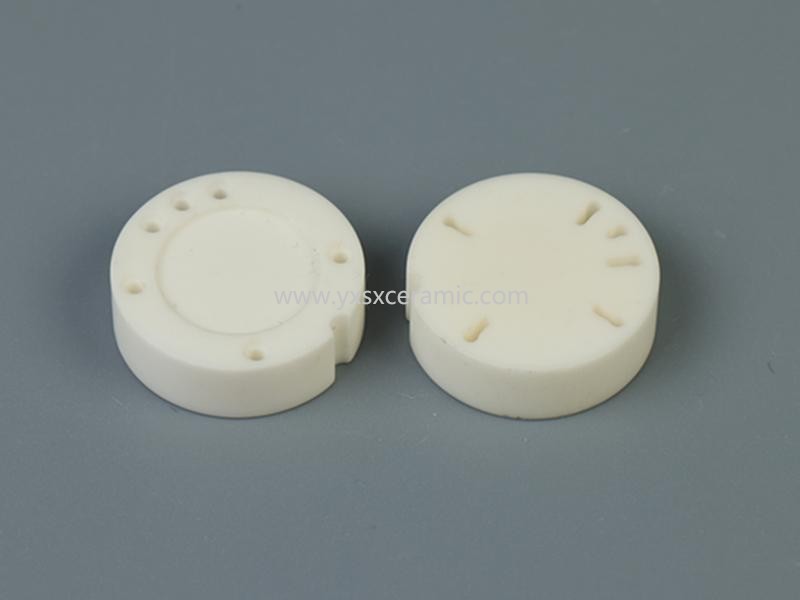
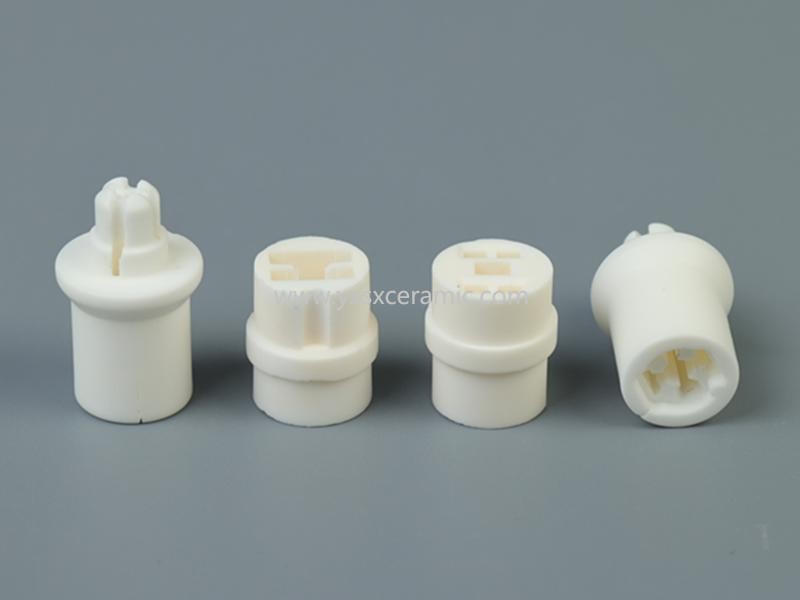
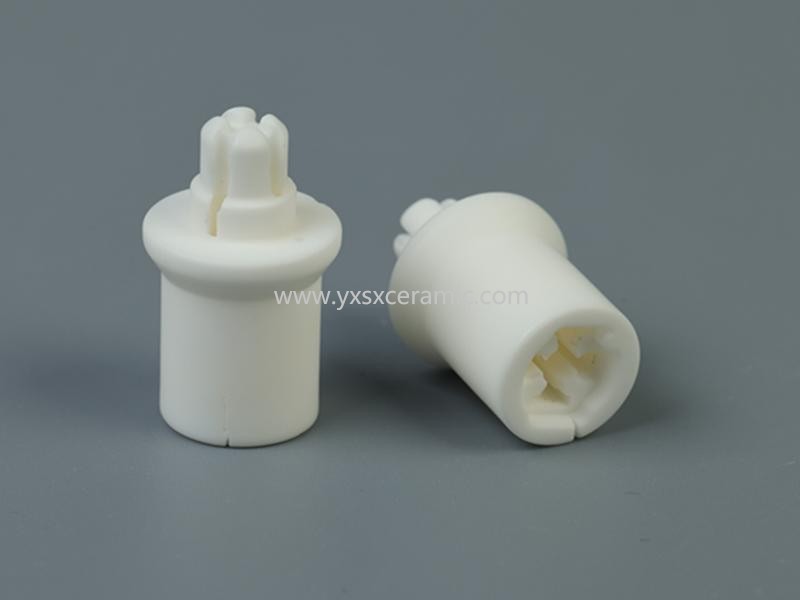
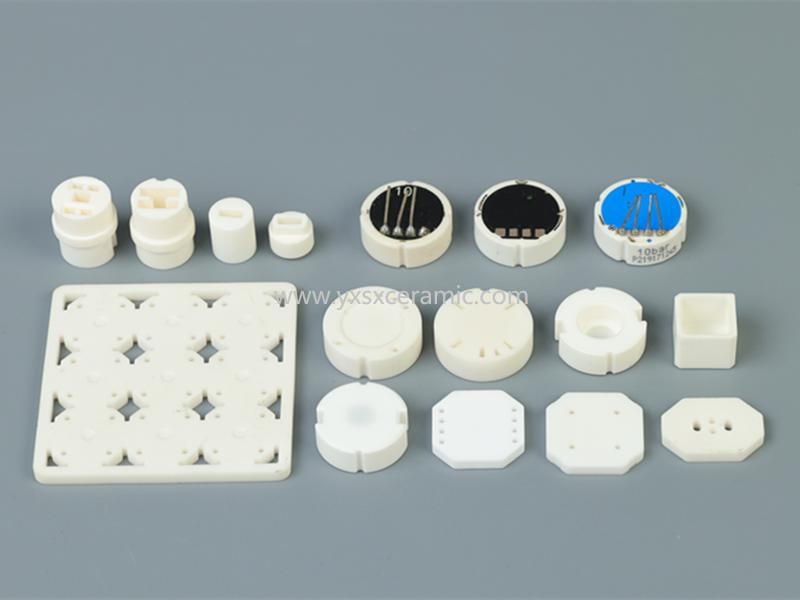
Ceramic Sensor Base is precision‑manufactured advanced alumina ceramic substrate, serving as the core insulating and supporting base for various sensors such as oxygen sensors, pressure sensors, temperature sensors and automotive sensing components.Made of high‑purity alumina ceramic (95% /99% /99.5% Al₂O₃), this ceramic base delivers outstanding electrical insulation, excellent thermal shock resistance, high mechanical strength and chemical inertness. It remains stable under high‑temperature, corrosive and heavy‑vibration working conditions, protecting internal sensing elements and electrodes, ensuring consistent signal transmission and long‑term measuring accuracy.
High‑precision dimensional tolerance is achieved via advanced dry‑pressing and green‑body machining. Custom holes, slots and electrode printing patterns are available according to customer drawings. Good sealing performance supports glass‑to‑metal sealing assembly for sensor packaging.
Our oxygen sensor ceramic products adopt advanced ceramic molding and precision sintering technology, with uniform density, stable sensing performance, long service life, and good consistency. They are widely used in automobile oxygen sensors, motorcycle sensors, and industrial exhaust detection equipment.
Yixing Shenxing Technology Co., Ltd.
Phone/WeChat/WhatsApp: 008618018373518
Email: yxshenxing88@vip.163.com
Teams: siri shenxing ceramic
Technical Parameters
| Item | Unit | Zirconia ceramic | 99% alumina | 96% alumina | 95% alumina | Steatite ceramic | Mullite ceramic | Cordierite ceramic |
| Bulk density | g/cm3 | 6 | 3.8 | 3.7 | 3.6 | 2.8 | 2.2 | 2.3 |
| Water absorption | % | 0 | 0 | 0 | 0 | 0 | 12 | 12 |
| Thermal Conductivity | (w/m.k) | 10 | 19-30 | 16-28 | 14-24 | 2-3 | 2-6 | 1.3-1.8 |
| Resistance to thermal shock, Min | TK? | 70 | 150 | 140 | 140 | 80 | 150 | 300 |
| Withstand voltage, Min | KV | 15 | 20 | 18 | 18 | 20 | 25 | - |
| Flexural strength | Mpa | 1000 | 300 | 280 | 240 | 120 | 120 | 30 |
| Sintering temperature | ℃ | 1500 | 1670 | 1600 | 1600 | 1250 | 1250 | 1250 |
| Max working temperature | ℃ | 1200 | 1500 | 1200 | 1200 | 800 | 1000 | 1000 |
Application Scenarios
Automotive oxygen sensors, pressure transmitters, industrial sensing modules, home‑appliance sensors, new‑energy equipment, IoT detecting devices, medical sensing components.
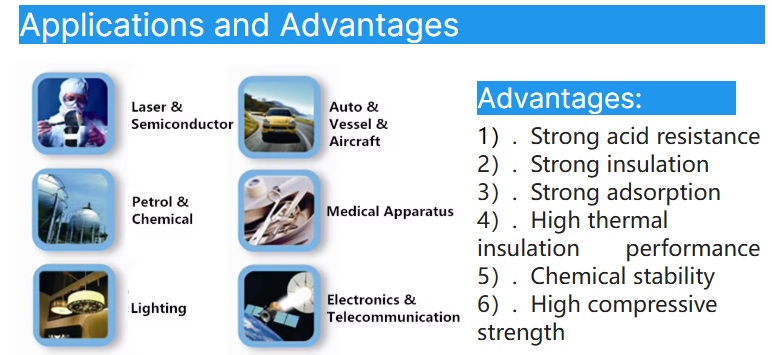
Product Features & Advantages
Key Features
• Superior electrical insulation property, avoiding signal interference
• Excellent heat‑resistance, withstand wide operating temperature range
• Anti‑corrosion, resistant to acid, alkali and exhaust gas erosion
• High mechanical rigidity, anti‑vibration for harsh working environment
• Precise dimension, support custom structure and metallization
• Low dielectric loss, stable performance for long‑time operation
Product Comparison
| Feature | Our Advanced Sensor Ceramics | Standard/Inferior Ceramics |
| Response Time | < 5 seconds (Fast light-off for modern engines) | > 10 seconds (Fails strict emission tests) |
| Consistency | High precision sintering ensures uniform density | Uneven structure leading to erratic sensor signals |
| Lifespan | 100,000+ miles (High anti-poisoning properties) | Prone to early failure from sulfur/silicone |
| Temperature Limit | Stable operation up to 1000°C+ | Signal degradation at high exhaust temperatures |
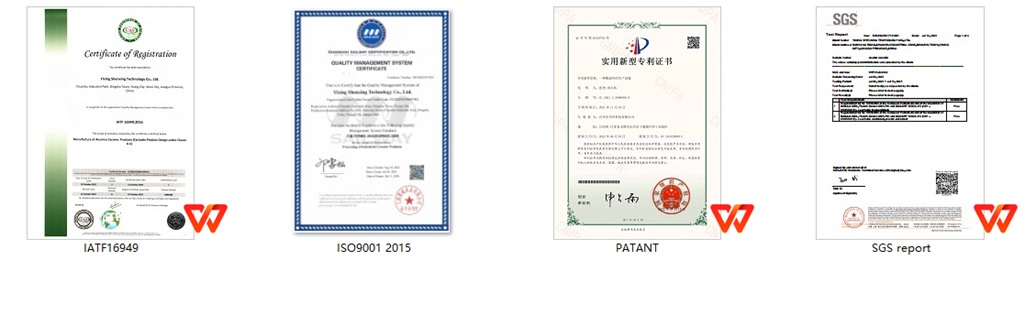
Certificate
FAQ (ceramic sensor base)
Q1: What material is the ceramic sensor base made of?
A: Mainly high‑purity alumina ceramic (95% Al₂O₃, 99% Al₂O₃, 99.5% Al₂O₃). Mullite ceramic is also optional for special low‑thermal‑expansion requirements.
Q2: What is the main function of ceramic sensor base?
A: It acts as insulating support substrate for sensors. It provides electrical insulation, mechanical support, high‑temperature resistance for internal electrodes and sensing chip, ensures stable signal transmission under harsh working conditions.
Q3: Which sensors can this ceramic base apply to?
A: Widely used for automotive oxygen sensors, pressure sensors, temperature sensors, gas sensors, industrial detecting modules and new‑energy sensing components.
Q4: Can you customize dimensions, holes and metallization patterns?
A: Yes. We support custom sizes, drilled holes, slots, surface printing / metallization according to customer drawings or samples. MOQ is negotiable for custom projects.
Q5: What is your dimensional tolerance?
A: Standard tolerance ±0.05‑0.1mm. Tighter tolerance can be achieved upon special request.
Q6: What working temperature can the ceramic sensor base withstand?
A: 99% alumina version can continuously work up to 1200℃, with good thermal‑shock resistance for rapid cold‑hot cycles
Q7: Is sample available for testing?
A: Yes. Samples can be supplied for performance evaluation. Customer needs to bear sample cost and freight.
Q8: What is the lead‑time for mass order?
A: 7‑15 working days according to quantity and custom complexity.
Q9: Can it match glass‑to‑metal sealing assembly?
A: Yes. Our ceramic sensor base has good surface quality, suitable for sensor packaging with glass sealing process.
Q10: What is the payment term?
A: T/T, 30% deposit before production, balance before shipment. Other terms can be further discussed.
Our Service & Support
1. We support OEM and ODM custom manufacturing.
2. We have a professional R&D team and provide full technical support.
3. We provide real-time logistics update information.
4. We support 24-hour online service to respond to your needs promptly.
5. We support flexible payment methods including T/T and L/C.
6. We have a professional QC team to rigorously check quality before delivery.
Alumina Ceramic Advantages 1). Strong acid resistance2). Strong insulation3). Strong adsorption4). High thermal insulation performance 5). Chemical stability6). High compressive strength
View More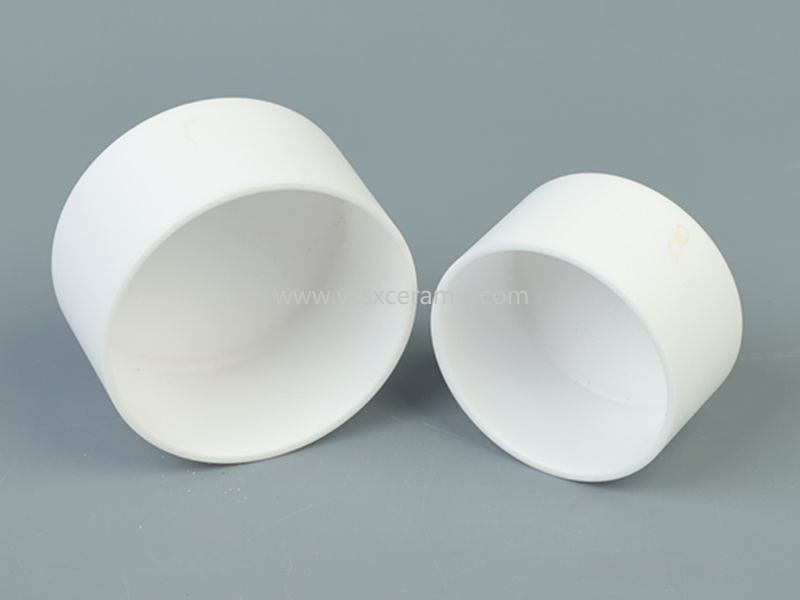
Ceramic Advantages 1). Strong acid resistance2). Strong insulation3). Strong adsorption4). High thermal insulation performance 5). Chemical stability6). High compressive strength
View More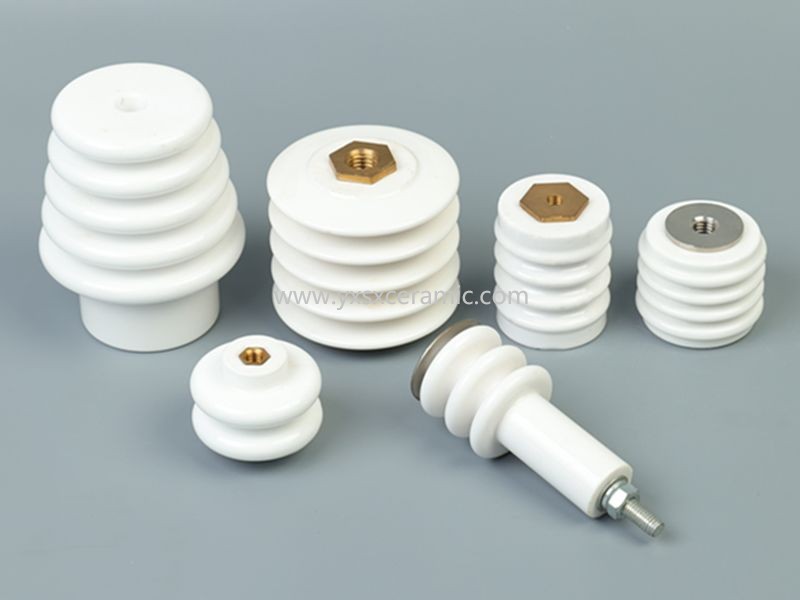
Alumina Ceramic Advantages 1). Strong acid resistance2). Strong insulation3). Strong adsorption4). High thermal insulation performance 5). Chemical stability6). High compressive strength
View More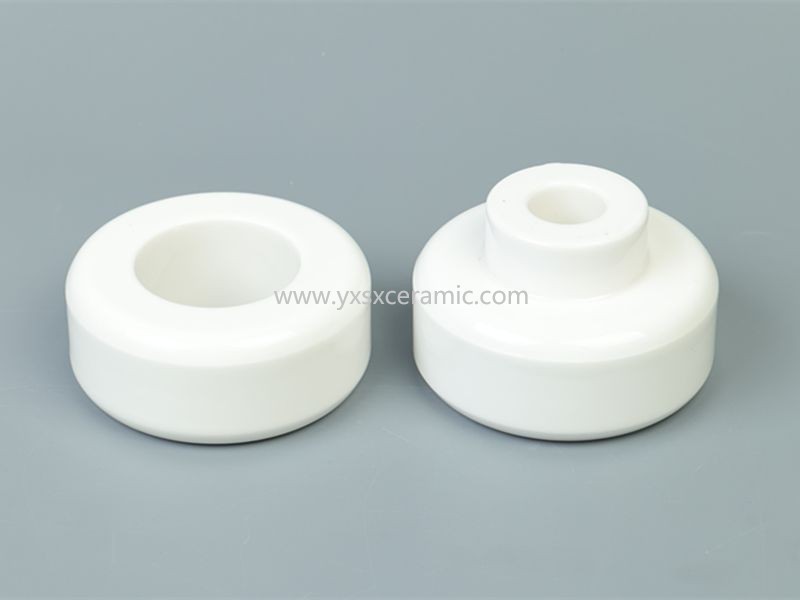
Ceramic Advantages 1). Strong acid resistance2). Strong insulation3). Strong adsorption4). High thermal insulation performance 5). Chemical stability6). High compressive strength
View More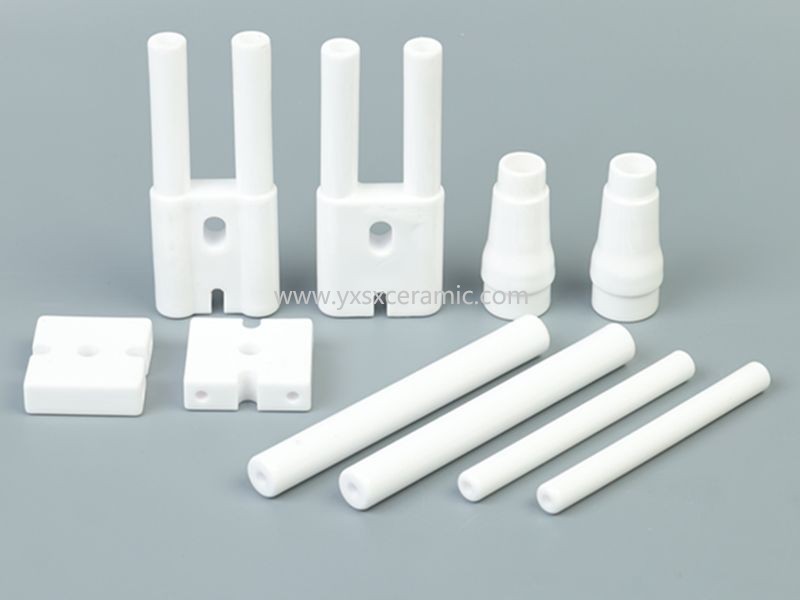
Ceramic Advantages 1). Strong acid resistance2). Strong insulation3). Strong adsorption4). High thermal insulation performance 5). Chemical stability6). High compressive strength
View More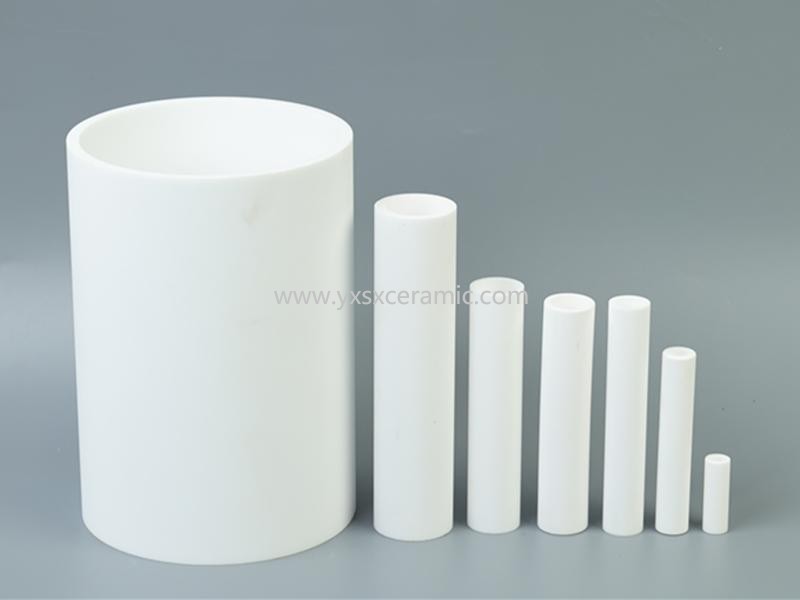
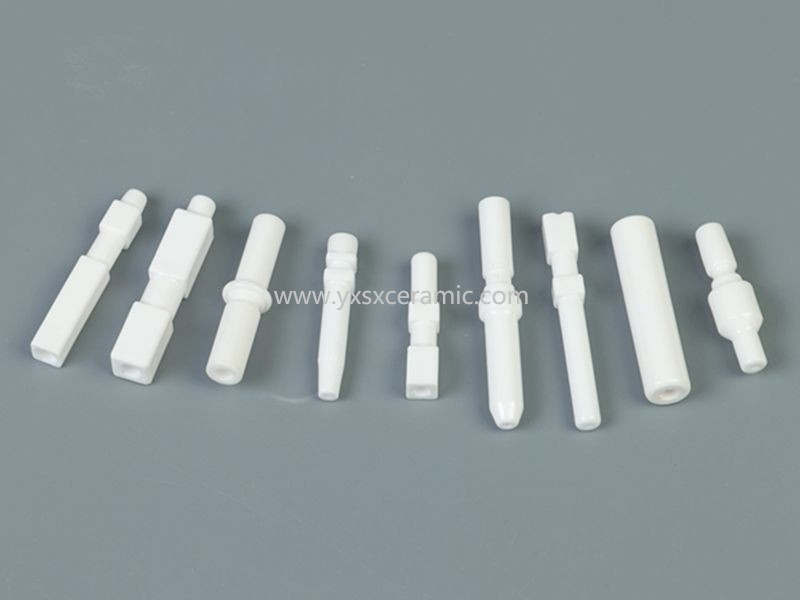
Alumina ceramic pipes are widely used in industries where traditional metal/plastic pipes fail to withstand wear, corrosion, or high temperatures. Abrasive Slurry Transport: Mining & Mineral Processing: For transporting tailings, mineral concentrates, and sand. Coal-Fired Power Plants: For conveying fly ash and bottom ash slurries. Steel Industry: For dust and fume extraction systems. Corrosive Chemical Handling: Chemical Plants: As liners or full pipes for aggressive acids and alkalis. Laboratory Equipment: For high-purity or high-temperature gas and fluid delivery. High-Temperature Applications: Thermocouple Protection Tubes: To shield temperature sensors in furnaces and kilns. Industrial Furnaces: As radiant tubes or for transporting hot gases. Welding Torch Nozzles: For their electrical insulation and heat resistance. Electrical Applications: Insulating Bushings and Sleeves: Where a pipe must provide a barrier that is both mechanically strong and electrically insulating.
View More
24/7 Call Service +8618018373518
Email : yxshenxing88@vip.163.com
Address : No. 2022, Baoyang Road, Chuanbu Industrial Zone, Yixing City, Wuxi City, Jiangsu Province


 2025-10-14
 2025-10-14
blog Xml Privacy Policy Sitemap
Copyright @ 2026 Yixing Shenxing Technology Co., Ltd. All Rights Reserved.
 Network Supported
leave a message
Scan to wechat :

Scan to whatsapp :