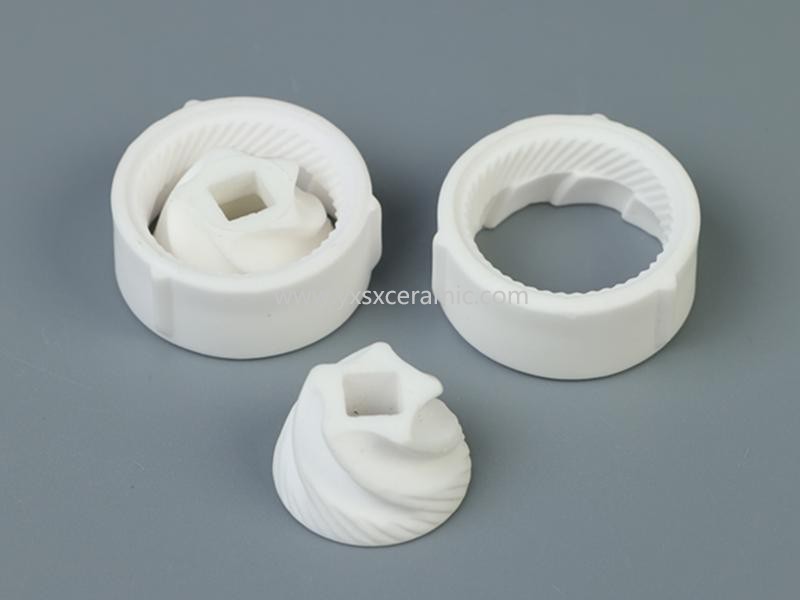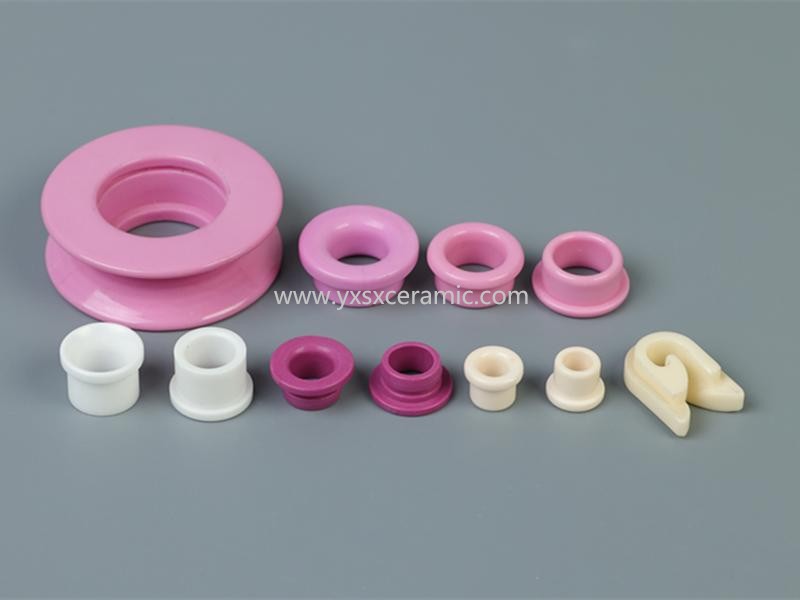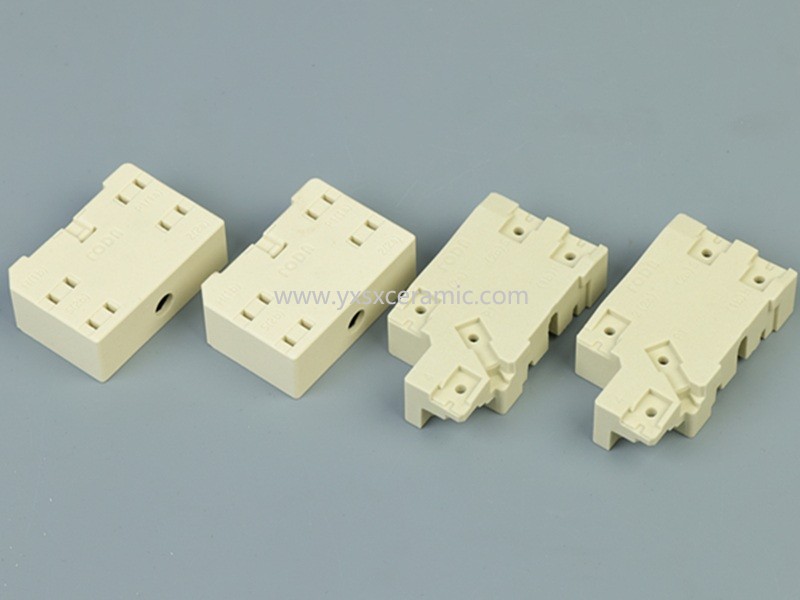
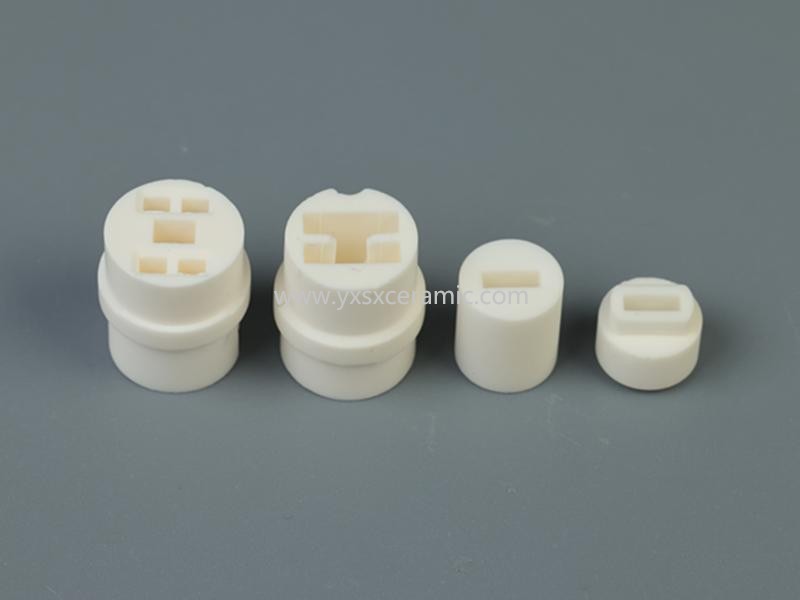
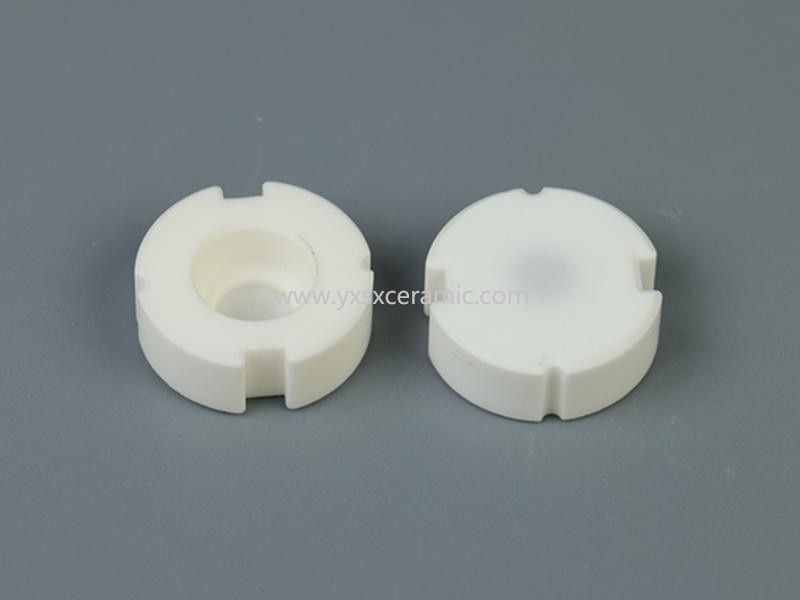
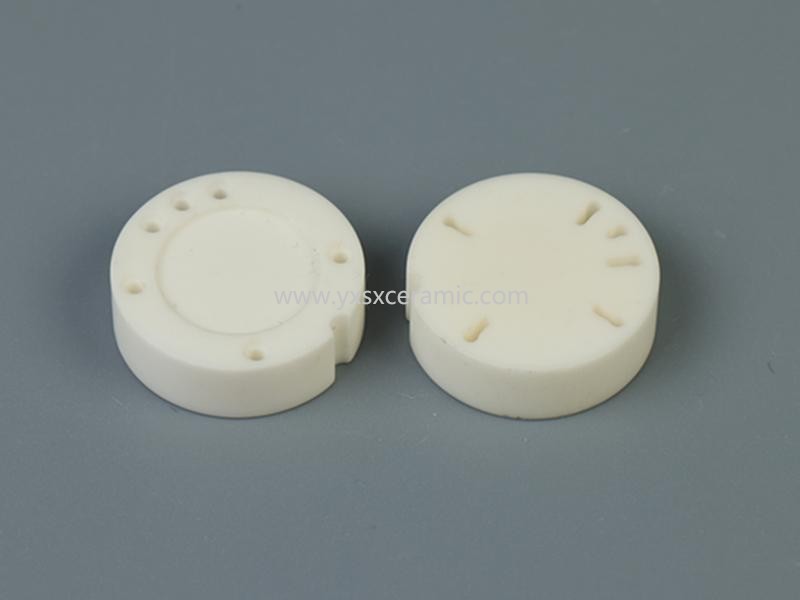
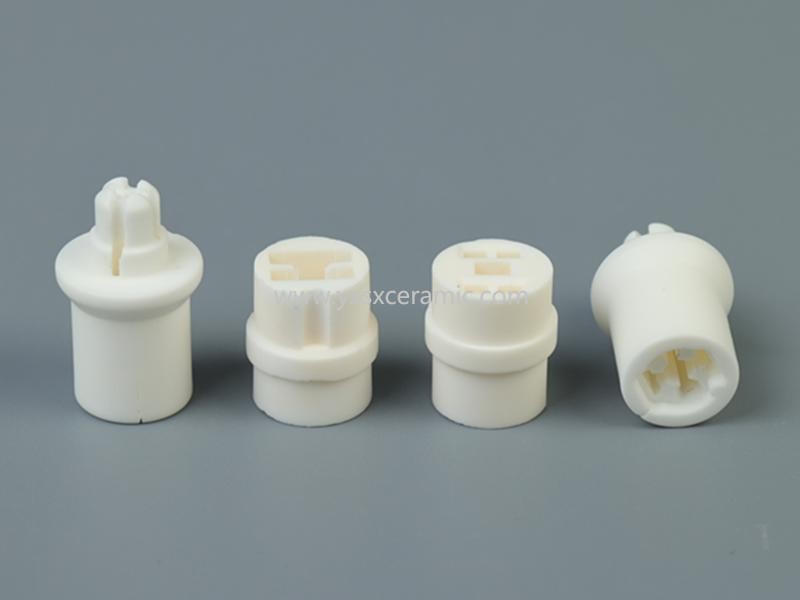
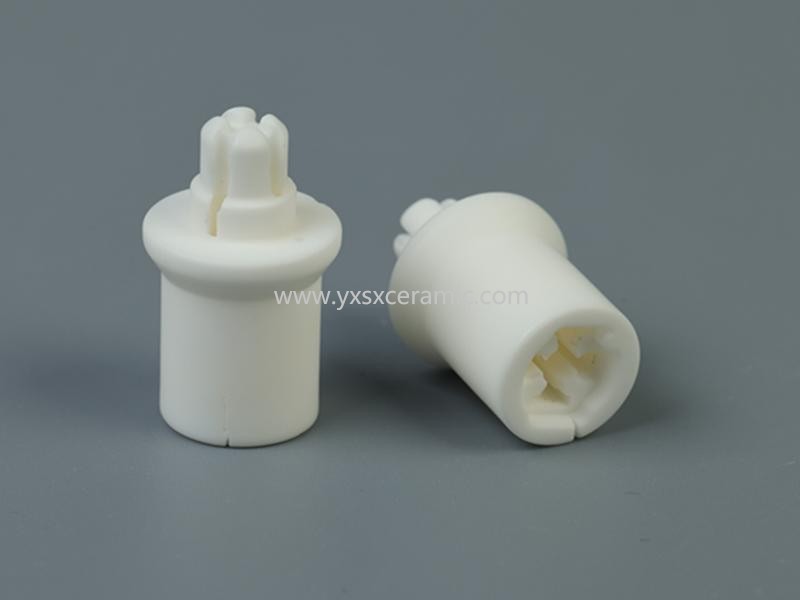
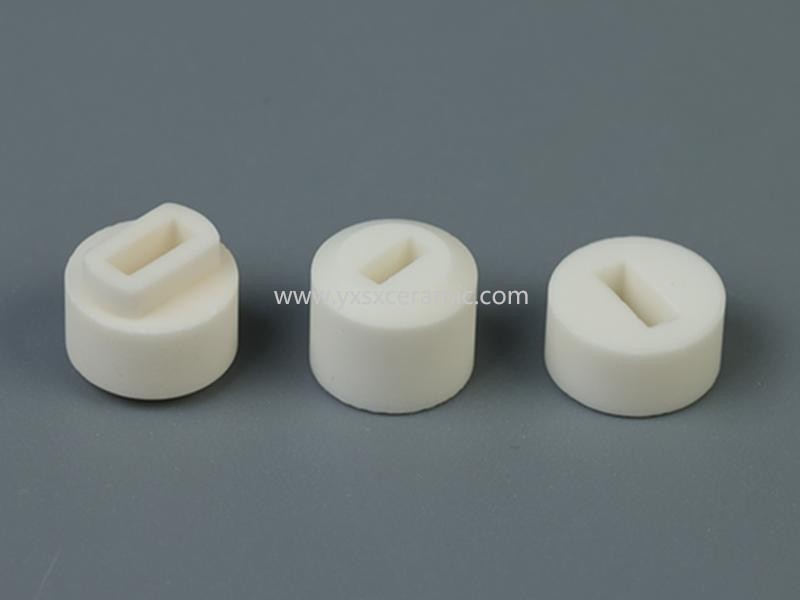
Oxygen sensor ceramic is the core functional component of automotive lambda sensors, mainly made of high-purity zirconia ceramic material. It features stable oxygen ion conductivity, excellent high-temperature resistance, and strong thermal shock resistance.
This ceramic element works under extreme exhaust temperature conditions to accurately sense oxygen concentration in engine exhaust gas. It converts oxygen difference signals into electrical signals, helping the vehicle ECU adjust the air-fuel ratio in real time, improve combustion efficiency, reduce fuel consumption, and lower exhaust emissions.
Our oxygen sensor ceramic products adopt advanced ceramic molding and precision sintering technology, with uniform density, stable sensing performance, long service life, and good consistency. They are widely used in automobile oxygen sensors, motorcycle sensors, and industrial exhaust detection equipment.
Yixing Shenxing Technology Co., Ltd.
Phone/WeChat/WhatsApp: 008618018373518
Email: yxshenxing88@vip.163.com
Teams: siri shenxing ceramic
Technical Parameters
| Item | Unit | Zirconia ceramic | 99% alumina | 96% alumina | 95% alumina | Steatite ceramic | Mullite ceramic | Cordierite ceramic |
| Bulk density | g/cm3 | 6 | 3.8 | 3.7 | 3.6 | 2.8 | 2.2 | 2.3 |
| Water absorption | % | 0 | 0 | 0 | 0 | 0 | 12 | 12 |
| Thermal Conductivity | (w/m.k) | 10 | 19-30 | 16-28 | 14-24 | 2-3 | 2-6 | 1.3-1.8 |
| Resistance to thermal shock, Min | TK? | 70 | 150 | 140 | 140 | 80 | 150 | 300 |
| Withstand voltage, Min | KV | 15 | 20 | 18 | 18 | 20 | 25 | - |
| Flexural strength | Mpa | 1000 | 300 | 280 | 240 | 120 | 120 | 30 |
| Sintering temperature | ℃ | 1500 | 1670 | 1600 | 1600 | 1250 | 1250 | 1250 |
| Max working temperature | ℃ | 1200 | 1500 | 1200 | 1200 | 800 | 1000 | 1000 |
Application Scenarios
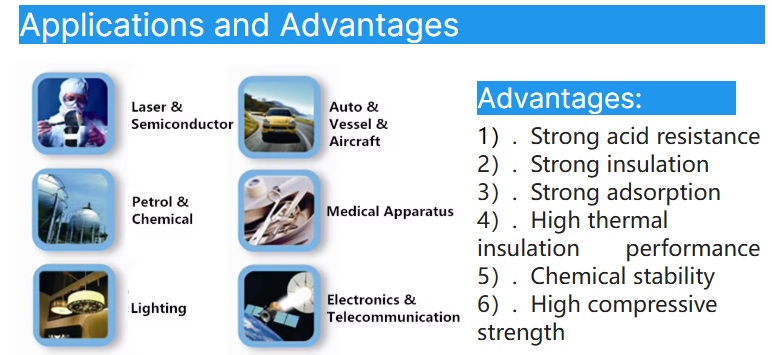
Our oxygen sensor ceramics are engineered for extreme environments requiring precise oxygen concentration monitoring. Key applications include:
Product Features & Advantages
Product Comparison
| Feature | Our Advanced Sensor Ceramics | Standard/Inferior Ceramics |
| Response Time | < 5 seconds (Fast light-off for modern engines) | > 10 seconds (Fails strict emission tests) |
| Consistency | High precision sintering ensures uniform density | Uneven structure leading to erratic sensor signals |
| Lifespan | 100,000+ miles (High anti-poisoning properties) | Prone to early failure from sulfur/silicone |
| Temperature Limit | Stable operation up to 1000°C+ | Signal degradation at high exhaust temperatures |
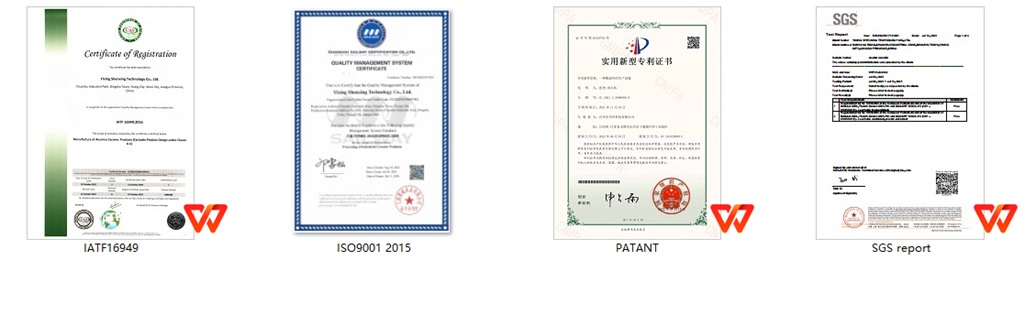
Certificate
FAQ (Oxygen Sensor Ceramics)
1. What makes Zirconia the best material for oxygen sensors?
Zirconia ceramic exhibits exceptional oxygen ion conductivity at high temperatures (typically above 300°C). This allows it to act as a solid electrolyte, generating a reliable voltage signal proportional to the difference in oxygen concentration between the exhaust gas and the reference air.
2. Do you support custom designs for specific vehicle or industrial models?
Yes. Since different sensors require distinct heating elements and structural profiles (planar vs. thimble type), we can fully customize the oxygen sensor ceramic bases according to your technical drawings and parameter requirements.
3. How do you ensure the consistency of sensor performance in bulk orders?
We use advanced dry pressing and tape casting technologies, combined with precision-controlled high-temperature sintering. Every batch undergoes strict quality control for dimensional accuracy, bulk density, and structural integrity before shipment.
4. How can I get samples of your Oxygen Sensor Ceramic base?
We can supply free samples if we have your requested specification in stock. If it requires a new mold, we can supply free samples after the tooling fee is settled. Please note that the courier fee should be paid at destination. Lead-time for custom samples is usually 18 days.
Our Service & Support
1. We support OEM and ODM custom manufacturing.
2. We have a professional R&D team and provide full technical support.
3. We provide real-time logistics update information.
4. We support 24-hour online service to respond to your needs promptly.
5. We support flexible payment methods including T/T and L/C.
6. We have a professional QC team to rigorously check quality before delivery.
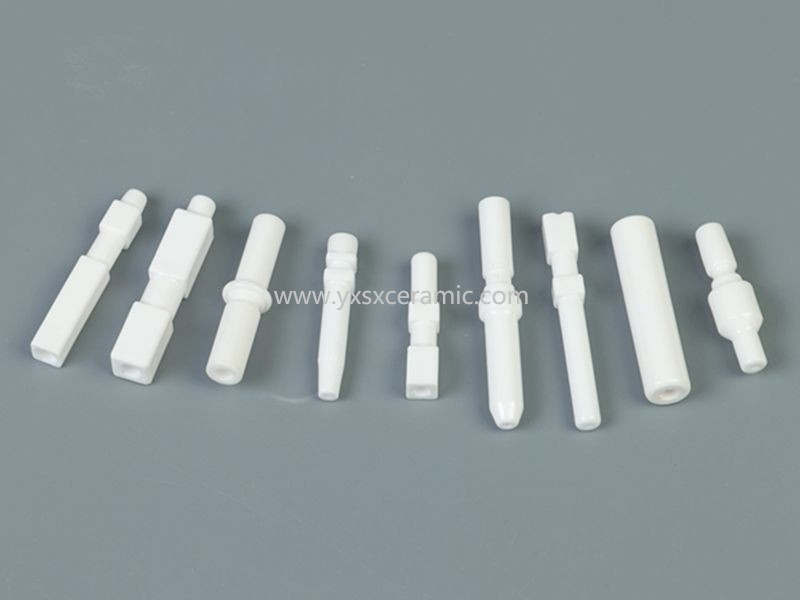
Alumina Ceramic Advantages 1). Strong acid resistance2). Strong insulation3). Strong adsorption4). High thermal insulation performance 5). Chemical stability6). High compressive strength
View More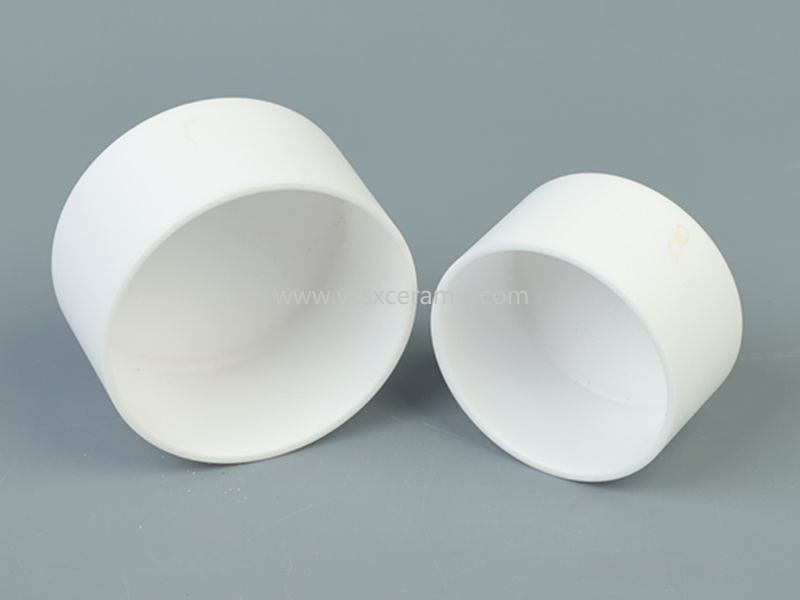
Ceramic Advantages 1). Strong acid resistance2). Strong insulation3). Strong adsorption4). High thermal insulation performance 5). Chemical stability6). High compressive strength
View More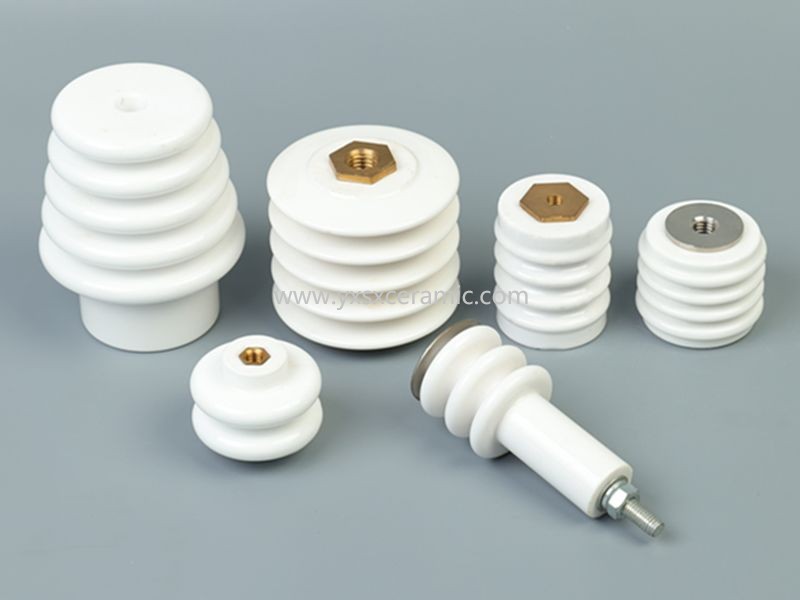
Alumina Ceramic Advantages 1). Strong acid resistance2). Strong insulation3). Strong adsorption4). High thermal insulation performance 5). Chemical stability6). High compressive strength
View More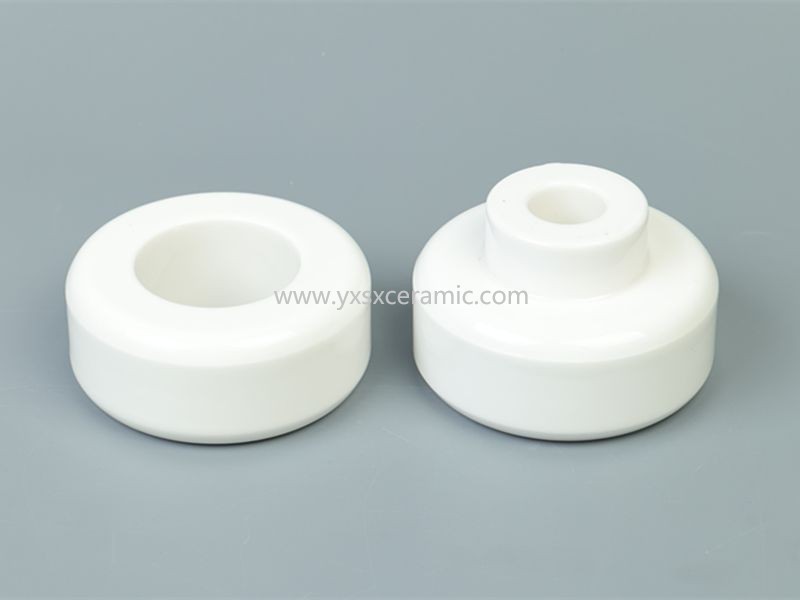
Ceramic Advantages 1). Strong acid resistance2). Strong insulation3). Strong adsorption4). High thermal insulation performance 5). Chemical stability6). High compressive strength
View More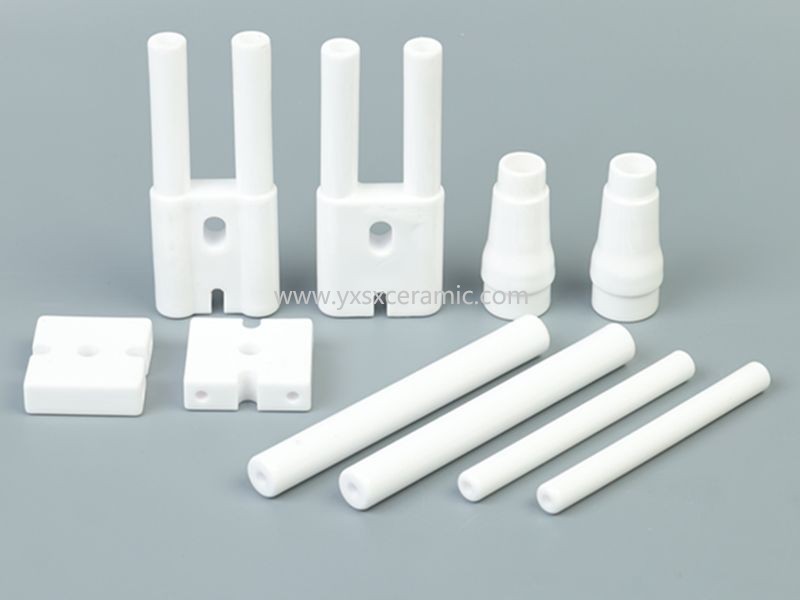
Ceramic Advantages 1). Strong acid resistance2). Strong insulation3). Strong adsorption4). High thermal insulation performance 5). Chemical stability6). High compressive strength
View More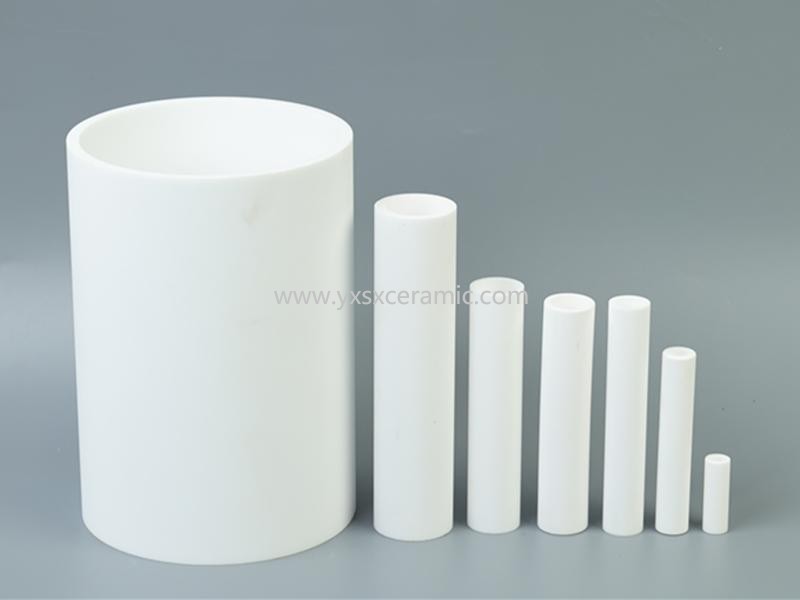
Alumina ceramic pipes are widely used in industries where traditional metal/plastic pipes fail to withstand wear, corrosion, or high temperatures. Abrasive Slurry Transport: Mining & Mineral Processing: For transporting tailings, mineral concentrates, and sand. Coal-Fired Power Plants: For conveying fly ash and bottom ash slurries. Steel Industry: For dust and fume extraction systems. Corrosive Chemical Handling: Chemical Plants: As liners or full pipes for aggressive acids and alkalis. Laboratory Equipment: For high-purity or high-temperature gas and fluid delivery. High-Temperature Applications: Thermocouple Protection Tubes: To shield temperature sensors in furnaces and kilns. Industrial Furnaces: As radiant tubes or for transporting hot gases. Welding Torch Nozzles: For their electrical insulation and heat resistance. Electrical Applications: Insulating Bushings and Sleeves: Where a pipe must provide a barrier that is both mechanically strong and electrically insulating.
View More
24/7 Call Service +8618018373518
Email : yxshenxing88@vip.163.com
Address : No. 2022, Baoyang Road, Chuanbu Industrial Zone, Yixing City, Wuxi City, Jiangsu Province


 2025-10-14
 2025-10-14
blog Xml Privacy Policy Sitemap
Copyright @ 2026 Yixing Shenxing Technology Co., Ltd. All Rights Reserved.
 Network Supported
leave a message
Scan to wechat :

Scan to whatsapp :