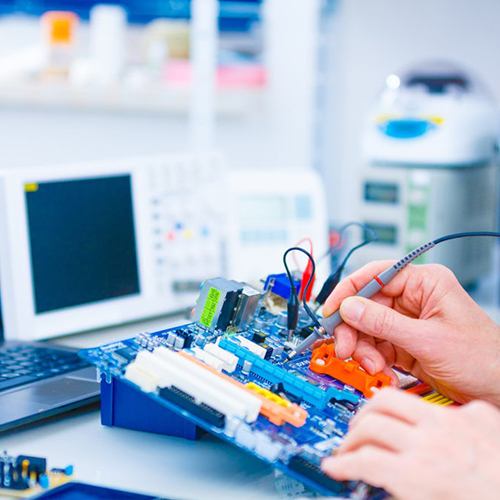
Applications of Alumina Ceramic Insulators in Electronics and Power Equipment
Jul 30, 2026
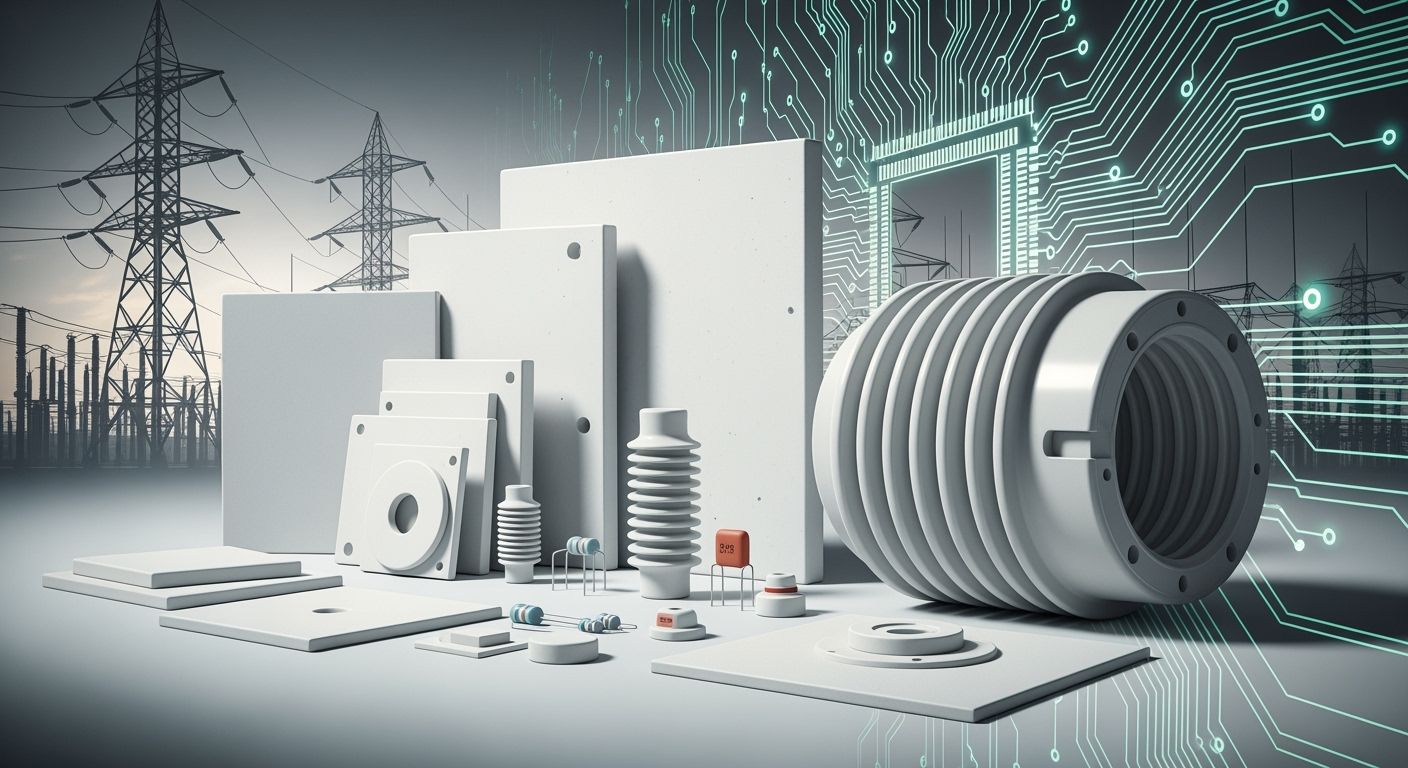
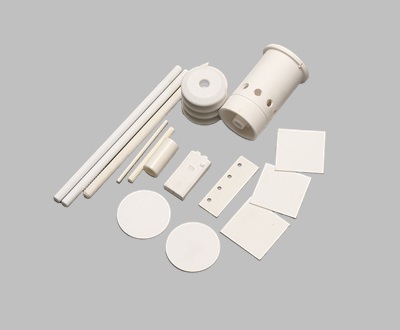
Engineering teams specify alumina (Al2O3) ceramics for exceptional dielectric strength, robust thermal conductivity, high mechanical toughness, and cost efficiency. An Alumina Ceramic Insulator solves critical thermal dissipation bottlenecks in power semiconductors. This material also prevents destructive electrical arc flashovers in high-voltage equipment. Thermal management specialists and procurement managers rely on standardized technical parameters from manufacturers like Yixing Shenxing to ensure system stability under extreme electrical loads.
Material Property
96% Alumina
99.5% Alumina
Dielectric Strength
10 to 12 kV/mm
12 to 15 kV/mm
Volume Resistivity (at 25°C)
>10^14 Ω·cm
>10^14 Ω·cm
Thermal Conductivity
25 to 35 W/m·K
25 to 35 W/m·K
Key Takeaways
Alumina ceramics stop unwanted electricity and spread heat efficiently in power electronics.
Alumina substrates match silicon expansion rates and prevent solder joints from cracking.
High-voltage power grids use alumina insulators to prevent dangerous electrical arc flashovers.
Dense alumina withstands extreme temperatures above 1000°C without melting or losing strength.
Alumina offers a safe, low-cost alternative to toxic beryllium oxide and expensive polymers.
Core Properties of Alumina Ceramic Insulators
Engineers select industrial components based on specific operational demands. Manufacturers like Yixing Shenxing refine raw aluminum oxide materials to optimize dielectric, thermal, and structural parameters for severe environments.
Dielectric Breakdown and Volume Resistivity
Alumina ceramics stop unwanted electrical current flow. High volume resistivity exceeding 1014 Ω·cm prevents leakage currents inside electronic assemblies. The high dielectric breakdown strength allows electrical systems to withstand continuous high voltages without physical damage or flashovers.
Thermal Conductivity and Thermal Management
Metals conduct heat rapidly, but they also transfer electricity. An Alumina Ceramic Insulator bridges this gap by offering electrical isolation alongside heat dissipation.
Material
Thermal Conductivity Range
Electrical Nature
Primary Heat Dissipation Role
Alumina Ceramic
~20–35 W/m·K
Electrically Insulating
Direct insulation in an alumina ceramic substrate
Aluminum Metal
~200 W/m·K
Electrically Conductive
Metal-core PCB bases and heat sinks
Copper
~400 W/m·K
Electrically Conductive
Thermal pads and traces
Note: Copper and aluminum conduct heat better, but they require extra insulating layers. Alumina directly handles thermal loads while insulating circuit traces.
Mechanical Strength and Thermal Shock Resistance
High-density alumina resists deformation under heavy structural loads. Dense alumina displays strong physical properties:
Flexural Strength: ~400 MPa
Elastic Modulus: 380 GPa
Thermal Expansion Coefficient: 7.5 ppm/°C
Critical Thermal Shock Threshold (ΔTc): 180–220 °C
These mechanical properties enable a durable ceramic insulator to endure thermal stress without cracking during rapid temperature changes.
Chemical Inertness and High-Temperature Stability
Dense sintering creates a pore-free microstructure. This solid structure prevents moisture penetration and blocks corrosive chemical agents. Strong atomic bonds give high purity alumina parts an elevated melting point above 2,000°C, ensuring structural stability under high heat.
Electronic and Semiconductor Applications
Modern electronic systems process high power densities in small enclosures. Component designers specify advanced ceramics to handle extreme thermal loads while maintaining reliable electrical isolation. Pure alumina substrates provide an ideal foundation for modern power electronics, optical devices, and high-reliability systems.
Power Semiconductor Modules and IGBTs
High-power devices like MOSFETs and Insulated Gate Bipolar Transistors (IGBTs) generate intense heat during high-frequency switching. Standard 96% alumina substrates offer a balanced, cost-effective solution for power control circuits. Higher purity alumina (99% or higher) delivers enhanced electrical consistency, lower contamination, and tighter performance control for high-reliability assemblies.
Direct Bonded Copper (DBC) technology fuses thick copper sheets directly to a ceramic base. Direct bonding attaches copper straight to the ceramic surface without intermediate organic adhesives, completely eliminating thermal adhesive resistance bottlenecks. In this assembly, alumina acts as an effective Alumina Ceramic Insulator between copper trace circuits and metal heat sinks. This layer withstands continuous DC bus voltages ranging from 600V to well over 1200V.
Power electronics rely on specific physical parameters to maintain structural integrity under load:
High Thermal Conductivity: Dense 96% alumina achieves thermal conductivity levels of ≥24 W/m·K, significantly outperforming standard polymer insulators (<5 W/m·K).
High Electrical Isolation: Dielectric strength exceeds 17 kV/mm with a volume resistivity above 1014 Ω·cm, preventing high-voltage breakdown without supplementary insulating pads.
Low Parasitic Capacitance: Reduced capacitive coupling minimizes electromagnetic interference (EMI) during rapid power switching.
Thermal Stress Reduction: The ceramic material features a Coefficient of Thermal Expansion (CTE) matching semiconductor dies much closer than standard metallic plates, protecting solder joints against strain.
Parameter
Specification Range
Thermal Dissipation Benefit for MOSFETs
Substrate Thermal Conductivity
20 to 35 W/m·K
Provides stable and reliable heat extraction for standard power applications.
Copper Layer Thickness
100 µm to 600 µm
Enables superior heat transfer, high current handling, and strong thermal cycling endurance.
Thick copper layers ranging from 100 µm to 600 µm spread heat laterally across the module surface. This lateral heat spreading prevents localized thermal runaway in high-current MOSFETs. Engineering teams source specialized direct bonded copper alumina substrates from precision manufacturers like Yixing Shenxing to ensure long-term reliability in demanding automotive and industrial motor drives.
LED Mounting Substrates and Circuit Drivers
High-brightness LED arrays convert electrical current into light, but they also produce intense localized heat. Thermal buildup reduces light output and causes thermal throttling. Replacing organic circuit boards with high purity alumina substrates maintains stable operating temperatures across continuous duty cycles.
Matching the thermal expansion rates between the semiconductor chip and the mounting board prevents mechanical joint failure. Standard polymer materials expand quickly under heat, causing micro-cracks in solder joints after approximately 1,000 thermal cycles. Alumina ceramics closely mirror the expansion rate of silicon LED dies.
Component / Material
Coefficient of Thermal Expansion (CTE)
Susceptibility to Joint Cracking
Silicon Die (LED Base)
3.0 – 4.0 ppm/°C
Reference Baseline
Alumina Substrate
6.5 – 7.5 ppm/°C
Minimal Risk
Traditional FR4 Material
14.0 – 17.0 ppm/°C
Severe Risk
Key Takeaway: Alumina substrates reduce thermal expansion mismatches against silicon dies. This physical alignment eliminates joint fatigue and maintains board integrity past 2,000 consecutive thermal shock cycles.
Custom alumina ceramic circuit boards serve dual roles in commercial lighting controllers. The ceramic substrate supports driver components physically while conducting waste heat directly into external metal housings.
Hermetic Packaging for Microelectronics
Sensitive microelectronic circuits require complete isolation from atmospheric moisture, dust, and corrosive industrial airborne chemicals. Military radar, aerospace electronics, and deep-sea telecommunications devices rely on hermetic ceramic microelectronic packaging enclosures to shield silicon dies from environmental degradation.
Dense sintering creates a solid ceramic structure with zero porosity. Glass-to-ceramic seals and co-fired ceramic layers preserve vacuum conditions inside hermetic packages. High-purity alumina maintains structural stability under ambient pressure changes and resists thermal degradation up to its 2050°C melting point.
Power Systems for Medical Equipment
Medical electronics require strict electrical safety standards and absolute signal integrity. Diagnostic devices like MRI amplifiers, high-voltage X-ray power supplies, and surgical laser generators use an Alumina Ceramic Insulator to establish ultraclean dielectric separation between power circuits and sensitive control logic.
Power supply units in clinical environments demand complete isolation between high-voltage power paths and patient-connected sensors. Pure alumina ceramics provide high volume resistivity without outgassing organic compounds or shedding particulate contaminants over time. Manufacturers like Yixing Shenxing supply dense ceramic components to guarantee safe, continuous power delivery in critical healthcare hardware.
Applications in Heavy Power Equipment
Heavy electrical infrastructure requires structural insulation materials that survive continuous high voltages, mechanical impacts, and intense heat. Industrial power grids and heavy equipment rely on advanced oxide ceramics to prevent catastrophic power failures.
High-Voltage Bushings and Grid Standoffs
Power transmission lines carry hundreds of kilovolts across vast physical distances. Substation transformers and switchgear require robust insulation points where high-voltage conductors pass through grounded metal enclosures. An Alumina Ceramic Insulator prevents dangerous arc flashovers by maintaining physical separation and elevated creepage distances along its outer ridged shed profile.
Technical Insight: The physical sheds on high-voltage ceramic insulators lengthen the surface path for electrical currents. This geometric design stops moisture and airborne contamination from creating conductive surface tracking paths.
Grid hardware must also withstand severe wind loads, heavy ice accumulation, and seismic shocks. Manufacturers like Yixing Shenxing produce high voltage ceramic bushings that deliver high mechanical cantilever strength. Dense alumina resists mechanical fatigue far better than organic composite materials, giving sub-station equipment decades of maintenance-free service.
Parameter
Performance Level
Grid Protection Benefit
Creepage Distance Ratio
Up to 31 mm/kV
Suppresses electrical tracking across contaminated outdoor surfaces.
Cantilever Strength
Exceeds 10 kN to 20 kN
Supports heavy overhead conductor cables during extreme storm conditions.
Arc Resistance
Superior (No Carbon Tracking)
Prevents permanent surface conductivity after sudden voltage surges.
Vacuum Interrupter Envelopes in Circuit Breakers
Medium-voltage vacuum circuit breakers interrupt high-current short circuits within milliseconds. The central vacuum interrupter houses electrical contacts inside a sealed cylindrical chamber. Switchgear designers specify high-purity alumina ceramics for these insulating envelopes due to their exceptional physical durability.
Engineers select 95%+ pure alumina over traditional glass materials for vacuum interrupter envelopes due to key performance advantages:
Mechanical Strength: Provides significantly higher structural durability to withstand mechanical stress.
Thermal Shock Resistance: Offers superior endurance against extreme and rapid temperature variations during interruption.
High-density vacuum interrupter ceramic envelopes maintain deep interior vacuums (10-5 Pa) over decades of operational service. The ceramic envelope retains high dielectric isolation while plasma arcs extinguish during high-voltage switching operations.
Coil Insulators for Heating Elements
Industrial heat-treating furnaces, kiln systems, and commercial heating units generate continuous high temperatures. Heating elements require rigid electrical separation from metal frame assemblies to prevent electrical short circuits.
Engineers install alumina ceramic coil insulators inside these extreme thermal systems. These interlocking ceramic beads and spool guides hold resistive heating wire securely in place. Dense alumina maintains its high volume resistivity at temperatures exceeding 1000°C, where standard insulating materials soften, melt, or conduct electricity.
+-----------------------------------------------------------------+
| Industrial Heating Assembly |
| |
| [ Resistor Heating Wire ] ---> Threaded Through |
| | |
| v |
| [ Alumina Ceramic Coil Insulator ] |
| | |
| v |
| [ Structural Metal Frame ] <-- Electrically Isolated |
+-----------------------------------------------------------------+
Heavy industrial equipment relies on these ceramic guides because they resist chemical oxidation and thermal degradation during continuous high-temperature heating cycles.
Spark Plug Bodies and Automotive Components
Internal combustion engines present severe operational environments combining explosive mechanical pressures and high-voltage pulses. Automotive ignition systems require spark plug bodies that maintain complete dielectric separation under fast thermal cycling.
Alumina exhibits exceptional compressive strength and rigidity, enabling structural components to endure heavy mechanical stresses without warping. Superior ceramic compositions retain high dielectric strength even under elevated thermal conditions, ensuring precise spark timing and avoiding engine misfires. Modern automotive spark plug insulators leverage dense alumina formulations to achieve continuous electrical reliability:
Dielectric Strength Retention: High-density alumina insulators resist extreme voltage levels, preventing electrical breakdown, current leakage, and flashovers during operation.
Mechanical Load Resistance: The material offers remarkable compressive strength, allowing the insulator to withstand high mechanical pressure and stress without structural deformation.
By integrating specialized alumina parts from suppliers like Yixing Shenxing, automotive power systems maintain dependable ignition voltages above 30 kV under intense thermal and mechanical stress.
Material Performance and Selection Matrix
Selecting dielectric materials requires balancing electrical performance, thermal limits, structural strength, and project budgets. Engineering teams evaluate material trade-offs to choose the optimal substrate for specific operational requirements.
Alumina vs. Standard Polymers and FR-4
Standard FR-4 circuit boards work well in low-power devices. However, high-power electronics demand far greater thermal efficiency. Polymers like PTFE and XLPE sustain moderate voltages, but organic materials degrade under continuous thermal stress. An Alumina Ceramic Insulator maintains complete physical stability at high temperatures where polymers fail.
Performance Metric
Traditional FR-4 PCB
Alumina Ceramic Substrate
Thermal Conductivity
0.25–0.4 W/m·K
20–30 W/m·K
Maximum Operating Temperature
130–180°C
Exceeds 300°C
Deploying alumina ceramic insulating substrates eliminates rapid thermal degradation in dense high-voltage assemblies.
Alumina vs. High-Temperature Glass and Mica
High-temperature glass and natural mica offer clean electrical insulation in simple fixtures. However, flexible mica sheets and glass envelopes lack high mechanical strength. Severe industrial vibration, physical shock, and thermal cycling easily crack fragile glass structures. Dense alumina delivers superior structural integrity, allowing engineers to specify rigid structural ceramic insulators for heavy industrial machinery.
Alumina vs. Aluminum Nitride and Beryllium Oxide
Ultra-high thermal requirements often lead engineers to compare alumina against advanced ceramics like Aluminum Nitride (AlN) and Beryllium Oxide (BeO).
Thermal Conductivity Comparison (W/m·K):
[Alumina] ■■ 30 W/m·K (Lowest Cost)
[Aluminum Nitride] ■■■■■■■■■■ 180 W/m·K
[Beryllium Oxide] ■■■■■■■■■■■■■■■ 240-330 W/m·K (Highest Cost & Toxicity)
AlN provides high thermal conductivity (180 W/m·K) at a higher price point. BeO offers even higher heat conduction (240–330 W/m·K), but BeO processing creates severe toxicity hazards. Inhaling BeO dust causes chronic berylliosis, requiring expensive cleanroom safety infrastructure and strict compliance tracking.
Consequently, industrial manufacturers source non-toxic high thermal conductivity ceramic parts from suppliers like Yixing Shenxing. Alumina provides a safe, highly durable, and cost-effective material solution for most high-temperature power electronics applications.
An Alumina Ceramic Insulator bridges the gap between high dielectric isolation, thermal conductivity, and mechanical durability. Alumina provides superior cost efficiency compared to expensive alternatives like Aluminum Nitride or Beryllium Oxide. Manufacturers like Yixing Shenxing supply reliable ceramic components for modern power systems.
Engineers choose purity grades based on specific operational demands:
Standard Power Systems: Select 96% alumina ceramic substrates for cost-effective heat dissipation in standard industrial power electronics.
High-Load Environments: Specify 99.5% high purity alumina for extreme voltage requirements and sensitive microelectronic devices.
FAQ
What is the main difference between 96% and 99.5% alumina ceramics?
Standard 96% purity substrates deliver cost-effective thermal dissipation for high-volume power electronics. Higher purity 99.5 percent alumina insulator disks provide superior dielectric breakdown strength and chemical resistance for critical high-voltage microelectronics. Manufacturers like Yixing Shenxing supply both grades for precise application requirements.
How do alumina components prevent arc flashovers in power equipment?
Alumina ceramics feature exceptional dielectric strength exceeding 12 kV/mm and high volume resistivity. Engineered shed profiles on high voltage alumina standoff insulators extend surface creepage distances. This geometry physically blocks electrical arcs and prevents conductive surface tracking paths in outdoor power grids.
Why do engineers specify alumina substrates instead of polymer materials?
Polymers degrade rapidly under continuous operational heat above 150°C. Conversely, an alumina ceramic insulator substrate maintains structural integrity and electrical isolation beyond 1000°C. Alumina closely matches the thermal expansion rate of semiconductor dies, preventing solder joint fatigue during fast thermal cycles.
Can alumina insulating components endure heavy mechanical loads?
Yes. Dense sintered alumina displays high flexural strength near 400 MPa and excellent compressive strength. Yixing Shenxing produces custom alumina ceramic insulating spacers that withstand severe vibrational shocks, mechanical compression, and thermal stress without structural warping or cracking.






 2025-10-14
 Network Supported